“If you are silent about your pain, they’ll kill you and say you enjoyed it.” — Zora Neale Hurston
This Pain Awareness Month, we’re rejecting the “strong Black woman” trope.
For generations, Black women have been expected to endure. We’re told to push through the headache, keep working when we’re tired, and smile through the discomfort.
But physical pain is only part of the story.
We’re also taught to ignore emotional pain. The grief, anxiety, depression, and trauma. The exhaustion that settles into your body after holding everything together for everyone else can be unbearable.
But strength should never mean pretending you aren’t hurting.
Where did we learn that our pain was something we were supposed to tolerate? Part of the answer is rooted in the history of slavery.
It was part of the racist ideology used to justify enslavement, including the belief that Black people were naturally built for hard labor and could endure suffering that would break others.

Those beliefs also found their way into American medicine. Some of the earliest chapters of modern gynecology were written on the bodies of enslaved Black women. In the 1840s, Dr. J. Marion Sims conducted repeated experimental surgeries on enslaved women, including Anarcha, Lucy, and Betsey, who suffered from childbirth-related injuries that caused severe pain and other debilitating complications. Sims performed these surgeries without anesthesia, sometimes operating on the same women dozens of times as he developed techniques that would later shape gynecology.
Their suffering helped advance the field, but it also reflected and reinforced a dangerous idea: that Black bodies could withstand more pain and require less care.
This idea did not disappear with slavery.
How Black pain is viewed today
Research has shown that racial bias continues to affect how pain is perceived and treated. One widely cited study found that some medical students and residents held false beliefs about biological differences between Black and white people, including beliefs about pain tolerance. Those who endorsed these beliefs were more likely to underestimate Black patients’ pain and make less accurate treatment recommendations. A 2019 systematic review and meta-analysis also found that Black patients were less likely than white patients to receive analgesia (pain medication) for acute pain.
And Black women are navigating this history at the intersection of race and gender.
Pain can be physical, emotional, or psychological. Sometimes it’s the pain you can point to. Other times, it is the pain you struggle to explain or the one you’ve gotten so used to carrying that you barely recognize how heavy it’s become.
According to the CDC, 24.3% of U.S. adults experienced chronic pain in 2023. Among non-Hispanic Black adults, 21.7% experienced chronic pain, while 8.7% experienced high-impact chronic pain that frequently limited life or work activities.
Whatever form it takes, pain is real. You shouldn’t have to perform your suffering, minimize what you’re feeling, or wait until you can no longer function before you deserve care.
And as we continue talking about suicide prevention this month, there is another number we can’t ignore.
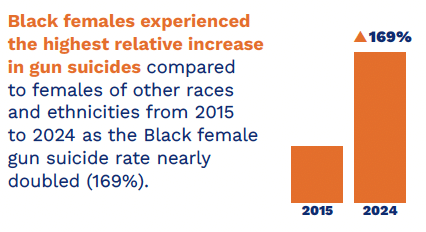
New research from the Johns Hopkins Center for Gun Violence Solutions found that the firearm suicide rate among Black women increased 169% between 2015 and 2024, rising from 0.52 to 1.40 deaths per 100,000. This number is terrifying, but it’s also information our communities deserve to have.
Remember: The person everyone calls “strong” is probably the one who needs someone to ask, how are you really doing? And we don’t have to stop there. Ask What can I do to show you I care? What can I take off your plate today? Sometimes, the people who are used to carrying everything themselves just need a little help knowing it’s okay to let someone else carry something for them.
That’s why believing Black women when we say we’re hurting matters. So does creating space for honest conversations, connecting people to care, and making sure support is available before someone reaches a breaking point.
You do not have to prove that you are hurting enough to deserve help.
Let’s change how we talk about our pain
This month, the U.S. Pain Foundation is bringing the pain community together through #OneVoiceForPain, a campaign centered on millions of individual experiences and the power of speaking up.
Whether you share a story, learn something new, connect with someone who understands, or advocate for change, there is a place for you in the movement.
And Sis, wherever you are in your own journey, listen to your body and mind. If something doesn’t feel right, you’re allowed to ask questions.
You are allowed to say, I’m hurting, and I need help.
Your pain is real. Your experience matters. And you deserve to be heard. If you’re carrying emotional pain or heaviness and need someone to talk to, call or text 988 to connect with the 988 Suicide & Crisis Lifeline.
Your Sistas Through It All,
The Ladies of 1M4
A new book on crisis response
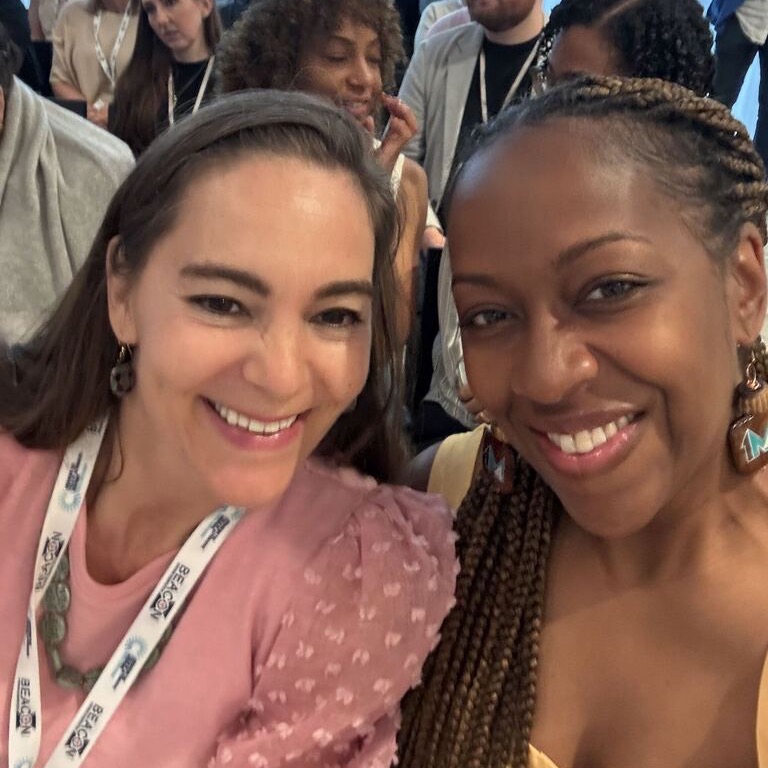
What happens when the system we call for help isn’t designed to meet the crisis in front of us? In 911, What’s Your Emergency? The Promise and Peril of Crisis Response, Dr. Rebecca Neusteter examines the history of America’s 911 system, its racialized roots, and the risks of relying on armed police as the default response to mental health and other emergencies.
The book officially releases on September 15, and 1M4 and The Right Response are featured on pages 169–170. We’re grateful to see our work included in a book examining how we can build safer, more equitable approaches to crisis response.
Use code TNP30 for 30% off your order.
A mental health tip for you

You don’t have to wait until you’re overwhelmed to care for yourself. Check in with yourself regularly and give yourself permission to ask for support when you need it.
Explore our 1M4 Black Mental Wellness Resource Guide for trusted tools and support resources to help you care for your mental well-being.
Upcoming Events
National Voter Registration Day
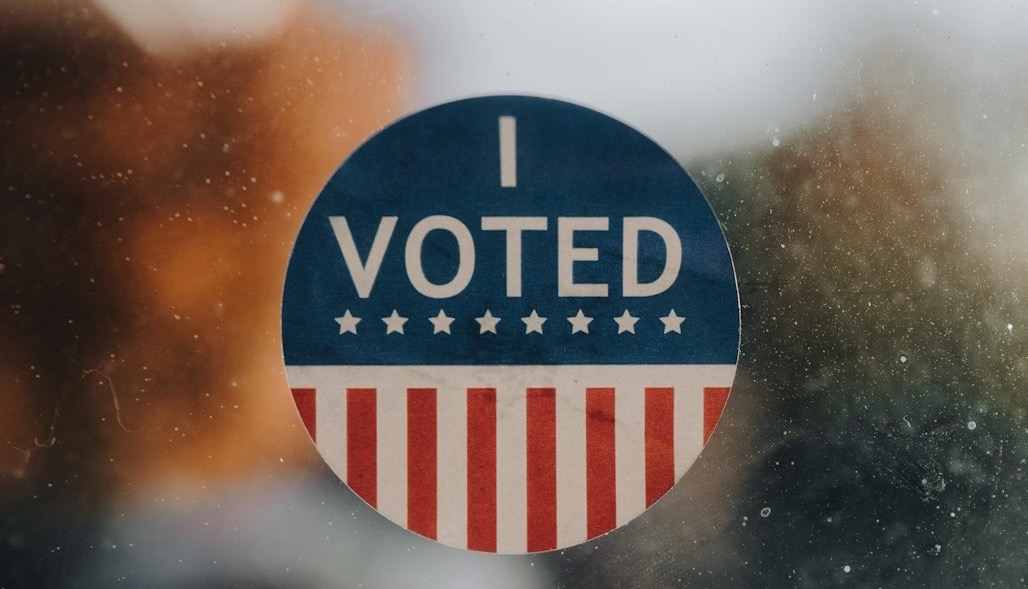
September 15 is National Voter Registration Day! Are you ready to cast your ballot?
Take a few minutes to check your voter registration and make sure your information is up to date. If you’ve moved, changed your name, or simply haven’t checked your status in a while, now is a good time to make sure everything is in order. You can also confirm your polling location and learn about your options for voting early, by mail, or in person. Voter registration deadlines vary by state, so checking your status now can help you head into November prepared and ready to vote.
As we focus on bringing our TV series to life, we continue to uplift the work of trusted community partners. On our website, you’ll find upcoming events hosted by these organizations so you can stay connected to the resources, conversations, and support you need.
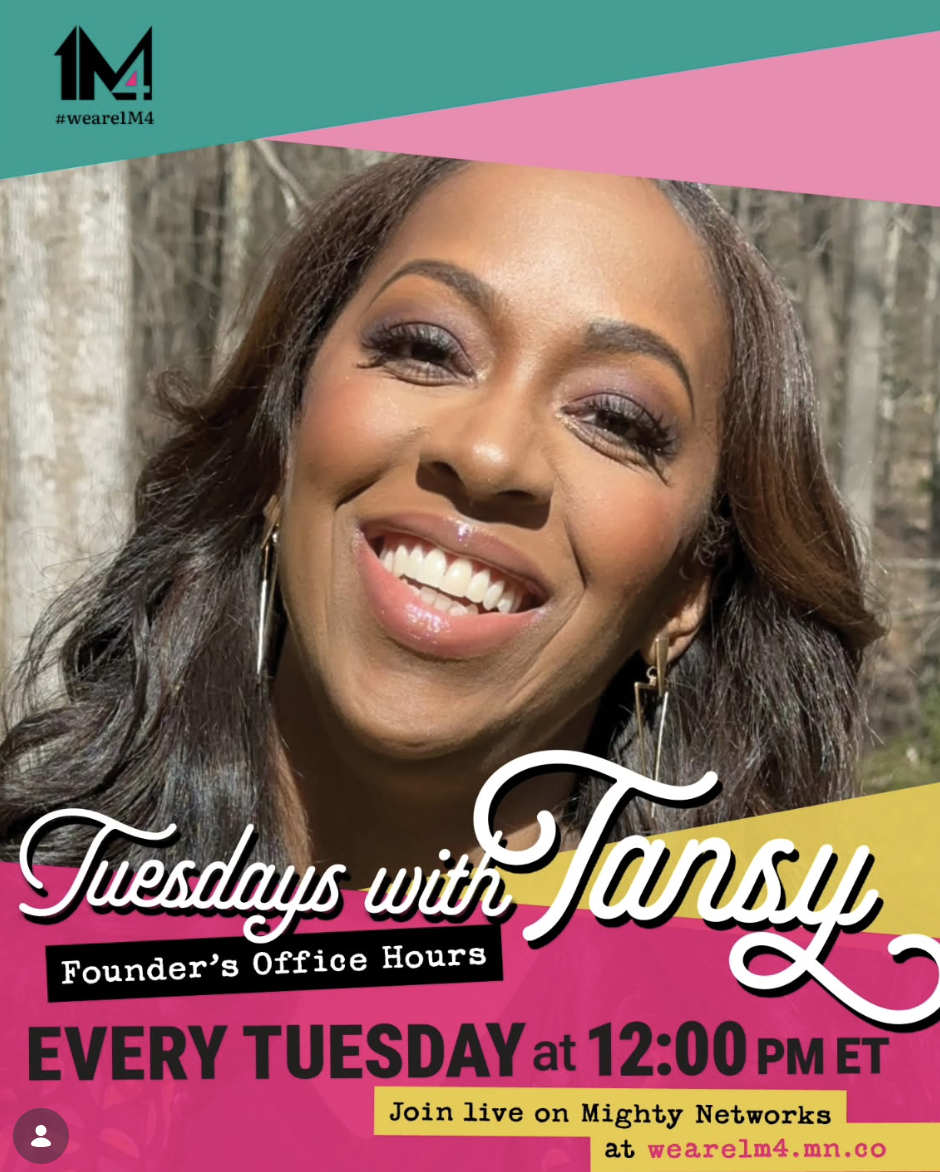
To make sure our community has the tools to stay safe and support each other, our Founder, Tansy, holds weekly office hours to answer questions and walk members through 1M4’s safety resources.
No registration needed. Just join 1M4 via the button below, then hop into our online convos at 12 PM ET every Tuesday.
Got a pressing question? Send an email to info@1m4.org, and we’ll get back to you before the next session.
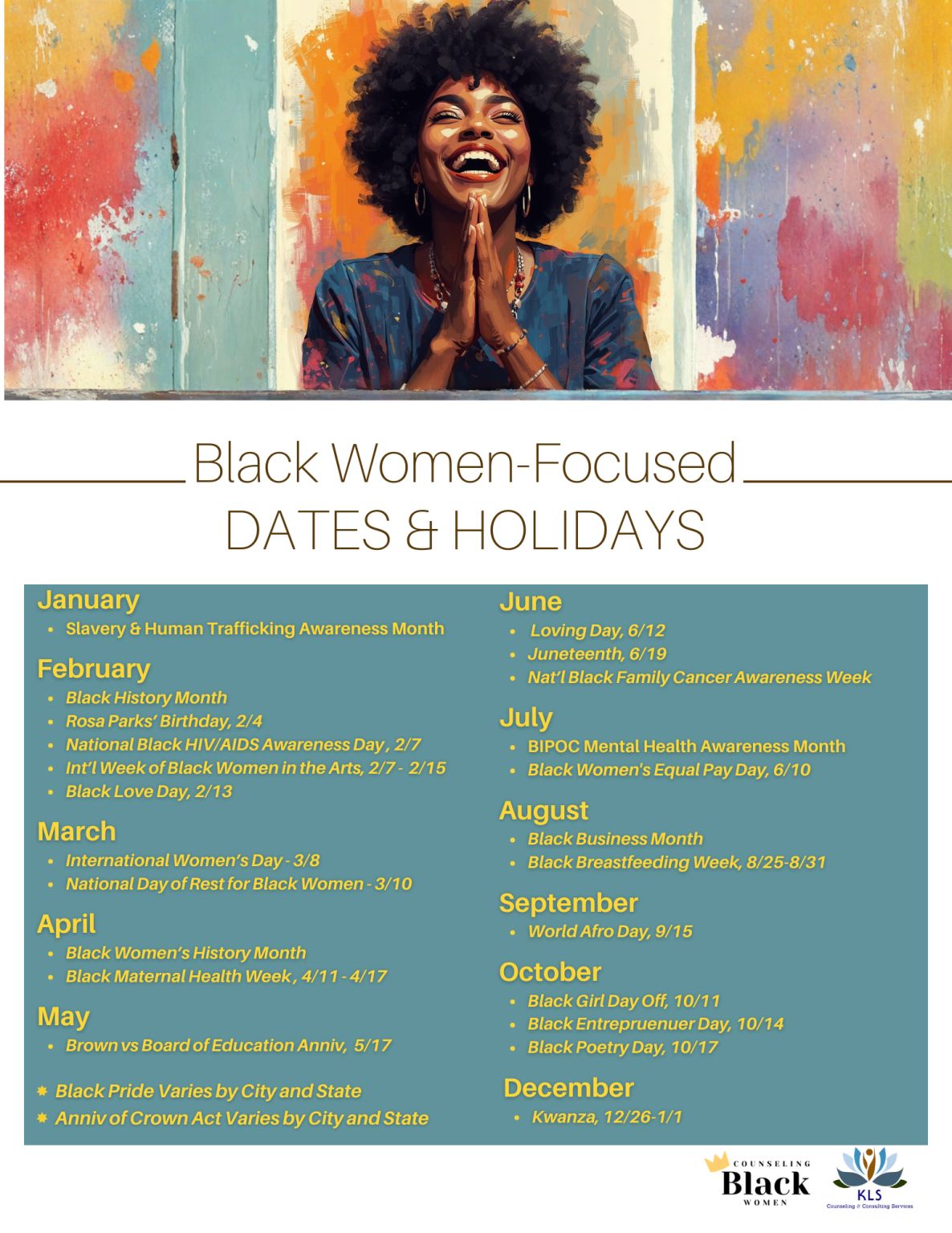
Cheat Sheet for Recognizing Black Women
This guidance is shared by Dr. Kimber Shelton, whose work continues to center the importance of culturally responsive approaches to mental health and well-being for Black women.
Below is a cheat sheet of awareness events and programs tailored for Black women, offering ways to better recognize, support, and center us throughout the year.