“The vote is precious. It is almost sacred. It is the most powerful non-violent tool we have in a democracy.” — John Lewis
When people talk about elections, we tend to think about the big one.
The presidential election gets the headlines, debates, campaign rallies, and seemingly every conversation for months. Then, once the votes are counted, it can feel like election season is over.
It’s not.
And honestly, we get it. Sometimes it can feel like our vote doesn’t matter. We elect people into office and then watch partisan gridlock and political drama unfold on our screens. It can leave you wondering what difference one ballot can really make.
But here’s the thing: having the opportunity to influence who represents you is still better than giving up that opportunity altogether. Your vote may not guarantee a particular outcome, but choosing not to participate guarantees that your voice isn’t part of the decision.
And that matters, especially when the people elected will make decisions that affect our communities.
The 2026 midterm elections are coming up on November 3, and there is a lot more on the ballot than you might realize. Every seat in the U.S. House of Representatives and roughly one-third of the U.S. Senate will be up for election.
Congressional elections help determine who represents us in Washington and which party holds the majority in each chamber for the next two years. But your ballot doesn’t stop at Congress.
Depending on where you live, you could also be voting for your:
-
governor
-
state legislators
-
mayor
-
judges
-
sheriffs
-
prosecutors
-
school board members
-
county officials
Want to know whether your county elects its sheriffs or prosecutors this year? Check the 2026 election list.
And that’s not all. You may also have ballot measures that allow you to vote directly on specific questions or proposed changes in your community.
Ultimately, these elections can affect decisions that show up in your everyday life.
Think about the school your child attends. The roads you drive on. Public transportation. Housing and zoning. Local budgets. Courts. Public health. Environmental rules. Community services. Public safety.
Know who is on your ballot
One of the most important things we can do is understand the offices and candidates on our ballot, not just the names we recognize from TV or the person whose campaign ad showed up on our timeline.
Take a look at their voting records, read their official platforms, and find out what the office they’re running for actually has the power to do. If there’s a ballot measure, read the proposal and learn what a “yes” or “no” vote would actually mean.
You can use your state election office, official voter guides, and sample ballots to see exactly who and what will be on your ballot.
Because sometimes we vote for someone without realizing that their office has a say in something that directly affects our lives.
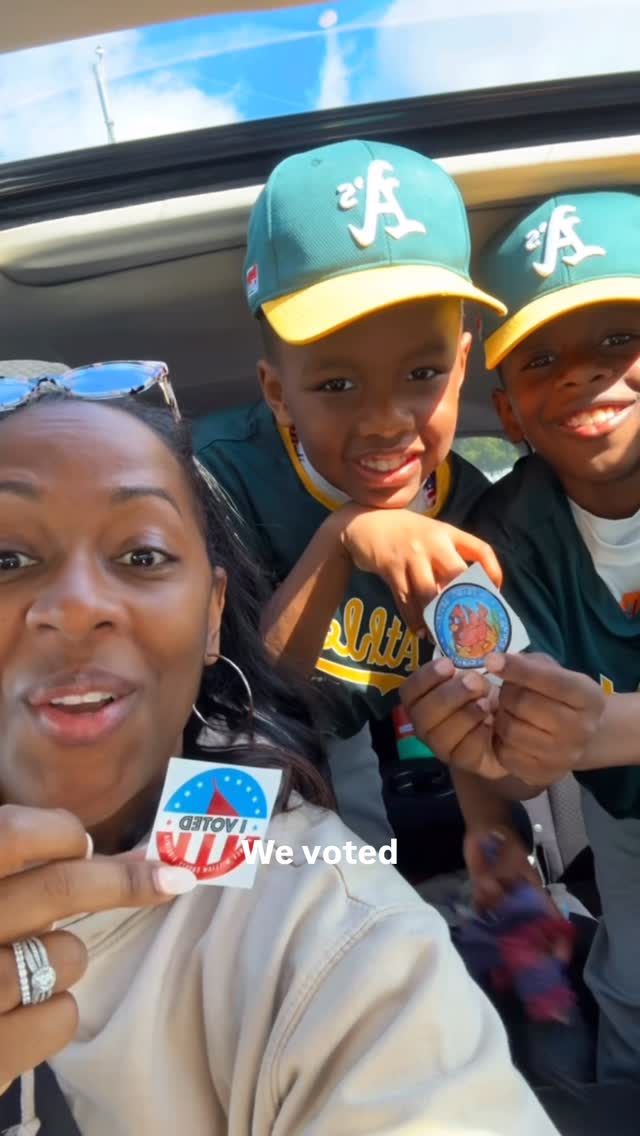
And don’t keep what you learn to yourself. Our founder Tansy McNulty shared this message with her sons earlier this year about the importance of talking with family and friends about voting, sharing information, and helping each other understand what’s at stake. Have direct conversations. Talk about how you plan to vote and why, and help the people in your circle feel informed before Election Day.
This is why the midterms matter
We’re living through a period of major policy changes and political debate at the federal, state, and local levels. Decisions made by elected officials can affect issues including health care, education, immigration, civil rights, public safety, the economy, and how public dollars are spent.
And Congress has a particularly important role. Members of the House and Senate write and vote on federal legislation, approve spending, and are supposed to conduct oversight of the executive branch.
That means elections aren’t just about choosing a president every four years. They’re also about deciding who has a seat at the table when decisions are being made and who can stop abuse of power when it happens.
Do your homework before November
Sis, consider this your reminder to check your voter registration now. Like right now.
Voting rules, registration deadlines, early voting periods, and mail-in voting options vary by state, so don’t wait until the last minute to figure out what applies to you. You can find your state’s information, registration instructions, election dates, and voting options through official election resources, like your local county election commission website or your state election site.
Then take some time to actually research your ballot.
Ask yourself: Who represents me? What does their office actually do? What have they done with that power? And what do I want from the people representing my community?
Your vote is one way to answer those questions.
The midterms may not have the same spectacle as a presidential election, but they can shape who makes decisions on our behalf for years to come.
So before November rolls around, don’t just know the date.
Know your ballot. Know your representatives. Know your power.
Your Sistas Through It All,
The Ladies of 1M4
A new book on crisis response
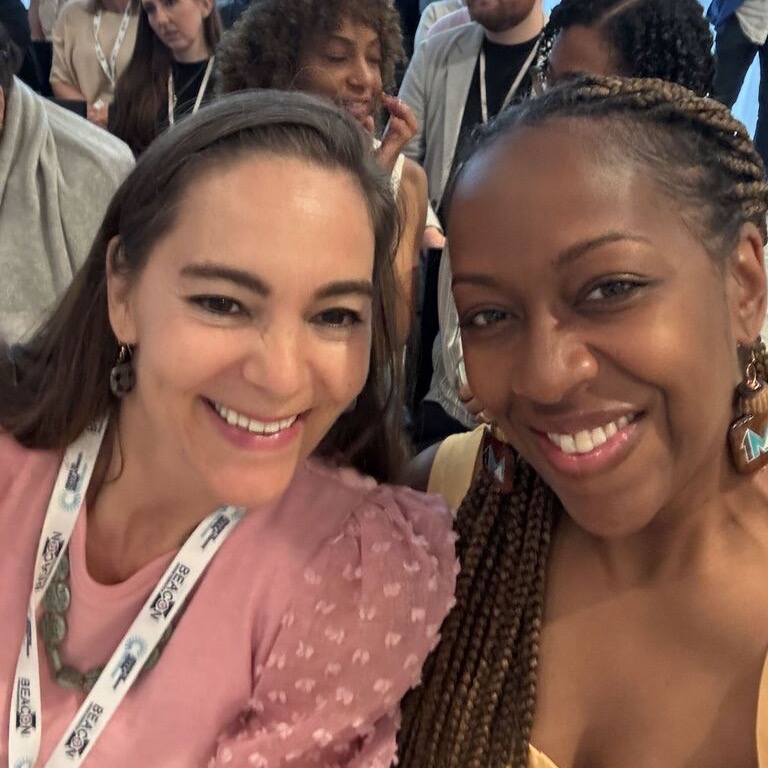
What happens when the system we call for help isn’t designed to meet the crisis in front of us? In 911, What’s Your Emergency? The Promise and Peril of Crisis Response, Dr. Rebecca Neusteter examines the history of America’s 911 system, its racialized roots, and the risks of relying on armed police as the default response to mental health and other emergencies.
Pages 169–170 feature the work of 1M4 and The Right Response as part of a larger conversation about building safer, more equitable approaches to crisis response.
Use code TNP30 for 30% off your order.
A mental health tip for you

Feeling stressed or overwhelmed? Try the physiological sigh, a quick breathing technique that can help regulate your nervous system.
Take a deep breath in through your nose, then take a second, smaller inhale before slowly exhaling through your mouth. Repeat 2–3 times and notice how your body feels.
Upcoming Events
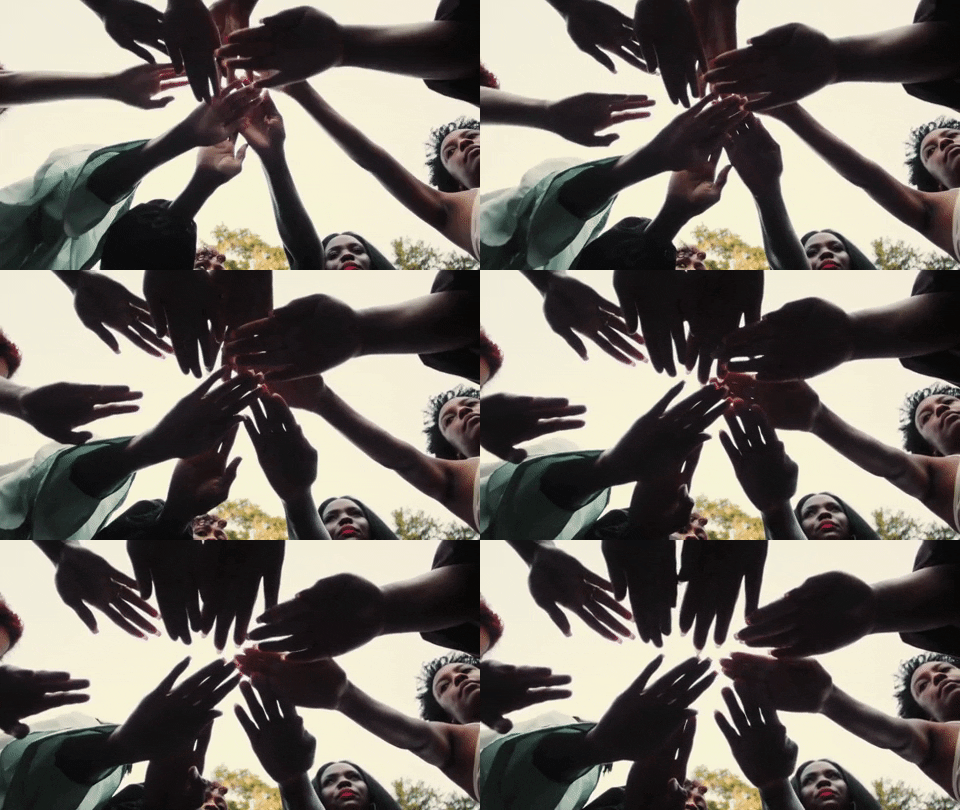
As we focus on bringing our TV series to life, we continue to uplift the work of trusted community partners. On our website, you’ll find upcoming events hosted by these organizations so you can stay connected to the resources, conversations, and support you need.
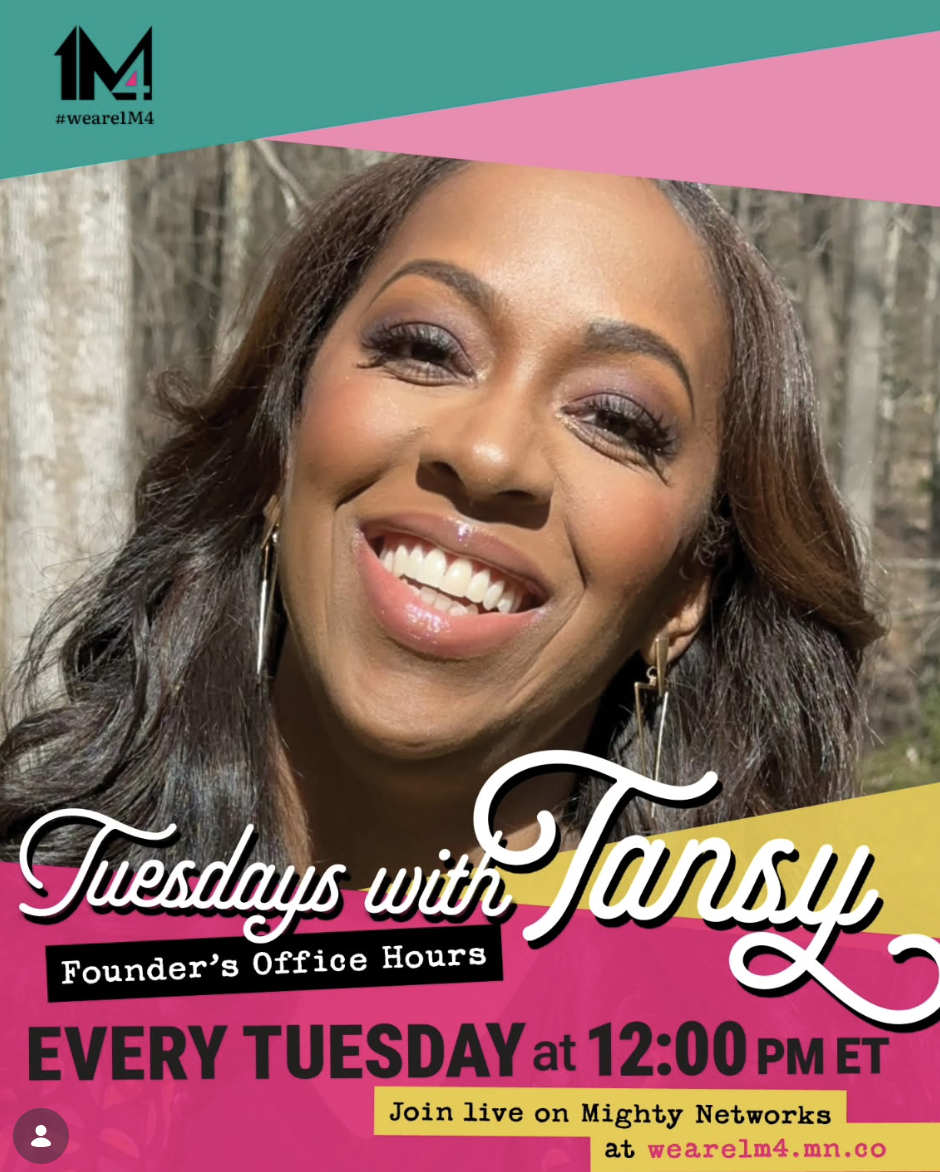
To make sure our community has the tools to stay safe and support each other, our Founder, Tansy, holds weekly office hours to answer questions and walk members through 1M4’s safety resources.
No registration needed. Just join 1M4 via the button below, then hop into our online convos at 12 PM ET every Tuesday.
Got a pressing question? Send an email to info@1m4.org, and we’ll get back to you before the next session.
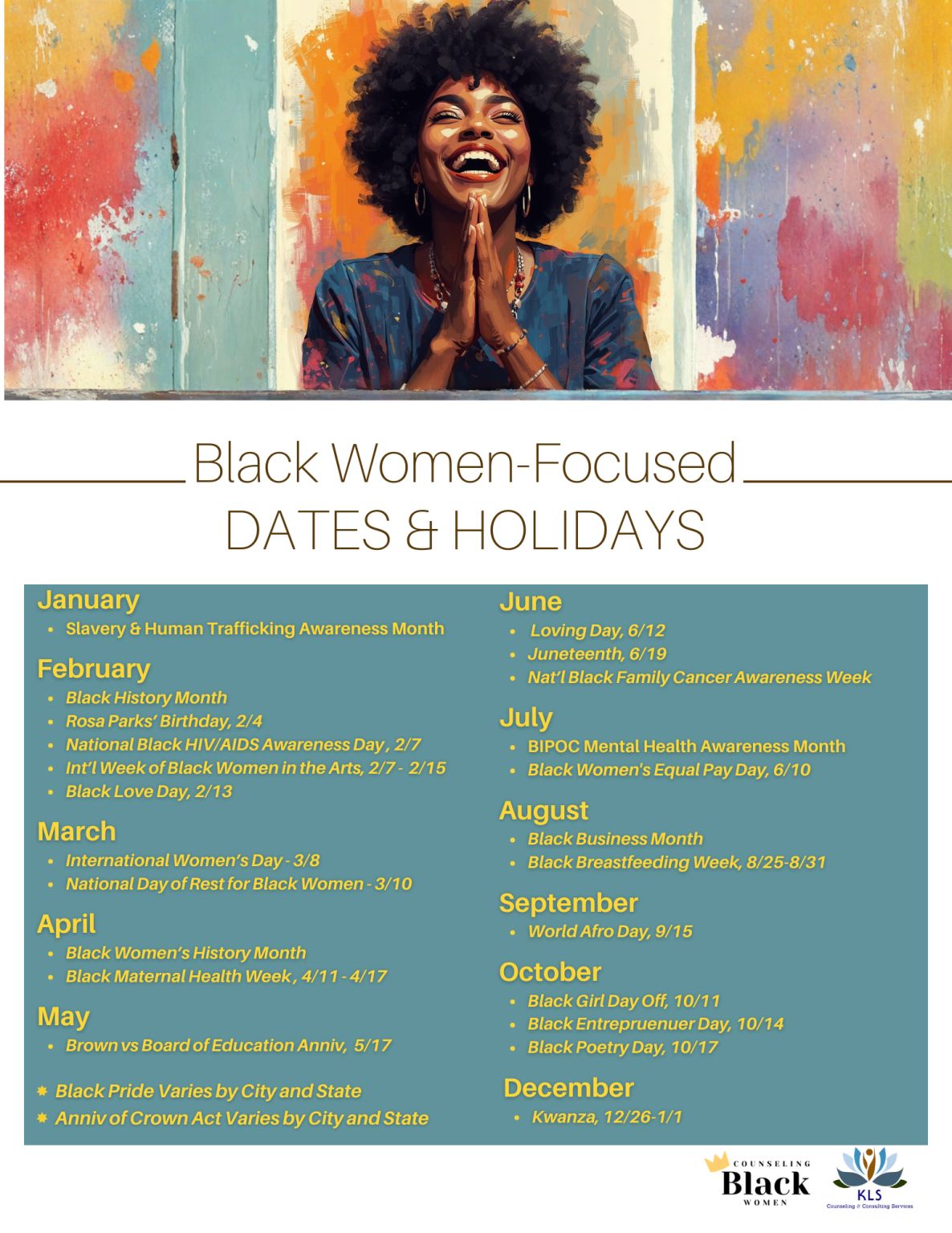
Cheat Sheet for Recognizing Black Women
This guidance is shared by Dr. Kimber Shelton, whose work continues to center the importance of culturally responsive approaches to mental health and well-being for Black women.
Below is a cheat sheet of awareness events and programs tailored for Black women, offering ways to better recognize, support, and center us throughout the year.