“We’re here for a reason. I believe a bit of the reason is to throw little torches out to lead people through the dark.” — Whoopi Goldberg
Sis, can you feel it?🍂

The mornings are getting a little cooler, the sun is setting a little earlier, and there’s that crispness in the air that lets us know fall is here. If you’re somewhere with changing leaves, you’ve probably started to notice the trees slowly letting go of what they carried all summer.
There’s something about watching the leaves change that reminds us we’re allowed to change, too.
We don’t have to stay in the same emotional season forever. Sometimes taking care of ourselves means slowing down, recognizing what we’ve been carrying, and giving ourselves permission to put some of it down.
Other times, it means admitting that we need support and allowing someone else to help us carry it.
This first Sunday of October marks the beginning of Mental Illness Awareness Week, a time to bring more attention to mental health, challenge stigma, and remind ourselves that mental illness is part of the human experience. More than 1 in 5 U.S. adults live with a mental illness, according to the National Institute of Mental Health.
And for Black communities, these conversations matter.
In 2024, 38.5% of Black adults who experienced any mental illness received mental health treatment, compared with 57.9% of White adults (Substance Abuse and Mental Health Services Administration). This disparity exists alongside barriers that can make mental health care harder to access, including affordability, access to culturally responsive providers, and the stigma that can surround mental health in Black communities.
So as the weather changes, let’s check in with ourselves before we get too busy adjusting.
For some people, fall and winter can bring more than cozy sweaters. Seasonal affective disorder (SAD) is a type of depression that follows a seasonal pattern. Winter-pattern SAD often begins in late fall or early winter as daylight decreases, and it can affect your mood, energy, sleep, appetite, and ability to enjoy the things you normally love.
That doesn’t mean every hard day is SAD, but if you notice that your mood consistently changes when the seasons do, it’s worth paying attention.
And paying attention to what’s happening within us is part of taking care of ourselves.
Maybe that means getting outside while there’s still daylight or being intentional about keeping a regular sleep schedule. It could also mean making plans with people you love instead of withdrawing when your mood starts to dip. And if something feels heavier than you can manage on your own, it may mean reaching out to a mental health professional or someone you trust before you reach a breaking point.
Knowing where to turn matters, too. That’s part of why we created The Right Response to help people find alternatives to involving police when someone is experiencing a mental health or substance crisis, for example.
You also don’t have to wait for a crisis to learn what your options are.
There is no prize for holding things in until you’re completely overwhelmed. Understanding what resources exist in your community can make it easier to respond when you or someone you love needs help.
Mental health care can look different for everyone. It might include:
-
Therapy
-
Medication
-
Movement
-
Prayer
-
Rest
What matters is recognizing when you need something different and giving yourself permission to seek it. Here are some words of wisdom from Dr. Thema:
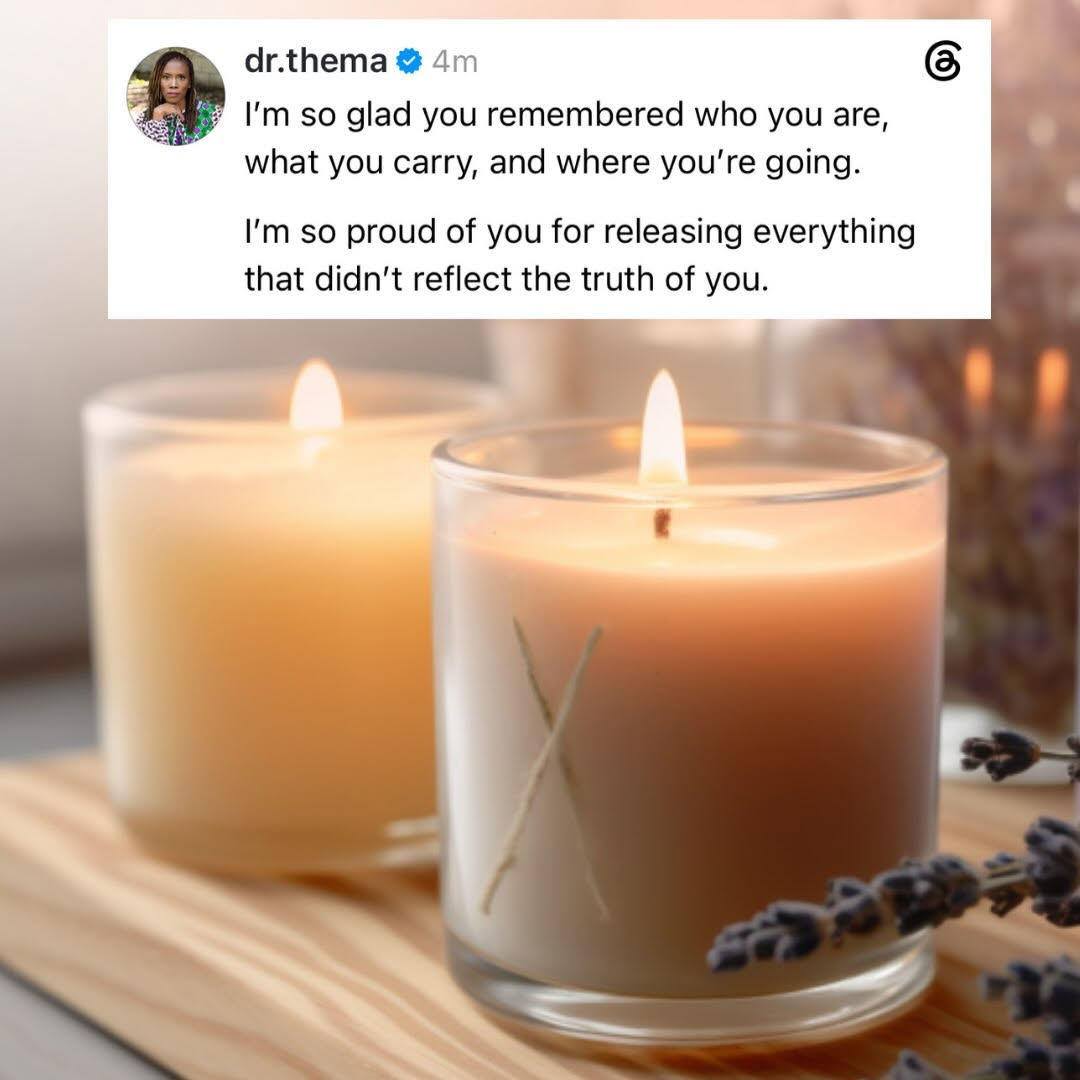
The leaves don’t apologize for changing. They don’t cling to the season they’re leaving behind because it’s familiar. They make room for what comes next.
Maybe we can give ourselves that same grace.
As we transition into fall, let’s make room for check-ins, boundaries, support, and the rest we’ve been putting off.
Let’s also remember that caring for our mental health is something we can practice throughout the year, in all phases of our lives.
Your Sistas Through It All,
The Ladies of 1M4
A new book on crisis response

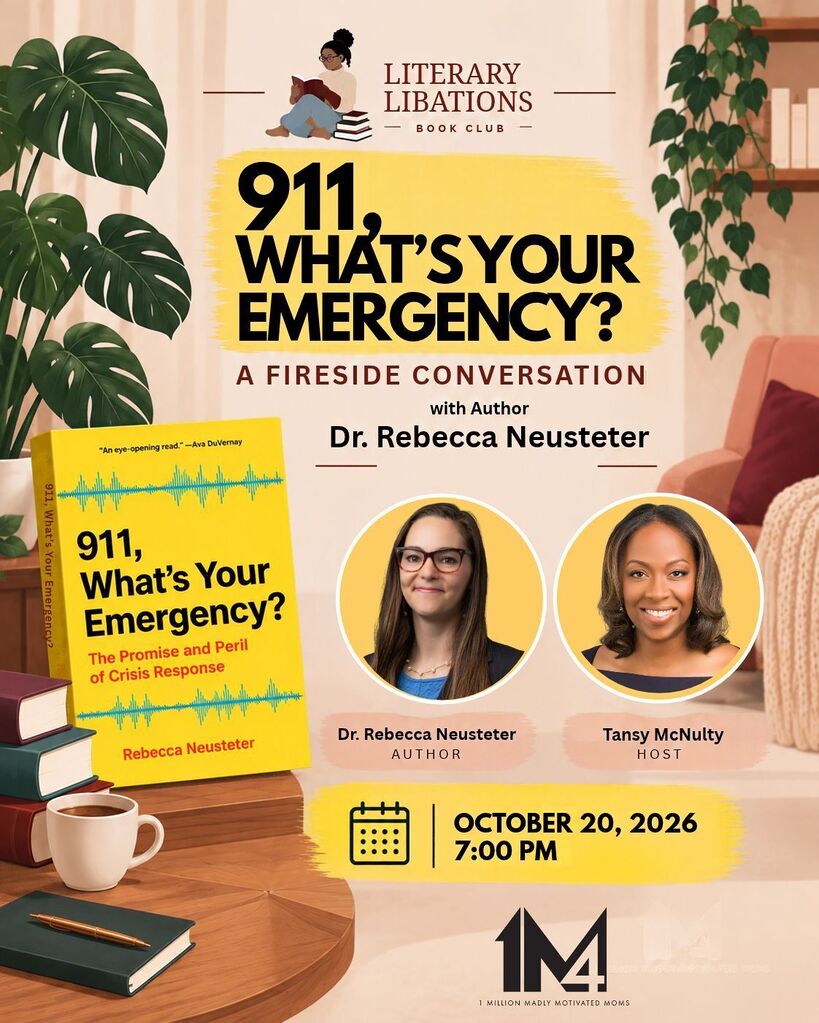
What happens when the system we call for help isn’t designed to meet the crisis in front of us? In 911, What’s Your Emergency? The Promise and Peril of Crisis Response, Dr. Rebecca Neusteter examines the history of America’s 911 system, its racialized roots, and the risks of relying on armed police as the default response to mental health and other emergencies.
Pages 169–170 feature the work of 1M4 and The Right Response as part of a larger conversation about building safer, more equitable approaches to crisis response.
Use code TNP30 for 30% off your order.
Mental health tip

You don’t have to wait until you’re overwhelmed to care for yourself. Check in with yourself regularly, and give yourself permission to ask for support when you need it.
Explore our 1M4 Black Mental Wellness Resource Guide for trusted tools and support resources to help you care for your mental well-being.
Voter check-in
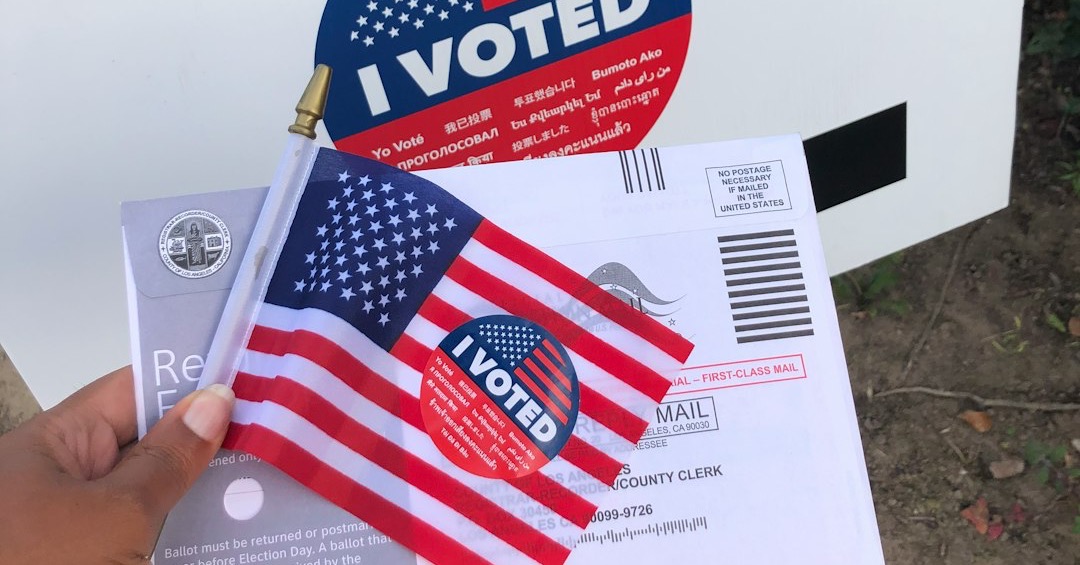
Before Election Day in November, take a few minutes to make sure you’re ready to vote.
-
Check your registration. Make sure your name and address are up to date, especially if you’ve moved recently.
-
Know your options. Look up when and where you can vote, including early voting and mail-in ballot options in your state.
-
Check the requirements. Find out whether you need to bring an ID or other documentation to the polls.
-
Review your ballot. Look over your sample ballot and take some time to learn about the candidates and ballot measures you’ll be voting on.
-
Make a plan. Put your voting date on the calendar and figure out transportation, childcare, work coverage, or anything else you might need ahead of time.
Start with your state or local election office for the most up-to-date information on registration, deadlines, polling locations, and voting requirements.
Upcoming Events
Save the date 📚
Join us virtually on Tuesday, October 20 at 7 P.M. ET for a conversation and book club with Dr. Rebecca Neusteter and Tansy McNulty, discussing Dr. Neusteter’s new book on crisis response.
Registration link coming soon!

As we focus on bringing our TV series to life, we continue to uplift the work of trusted community partners. On our website, you’ll find upcoming events hosted by these organizations so you can stay connected to the resources, conversations, and support you need.
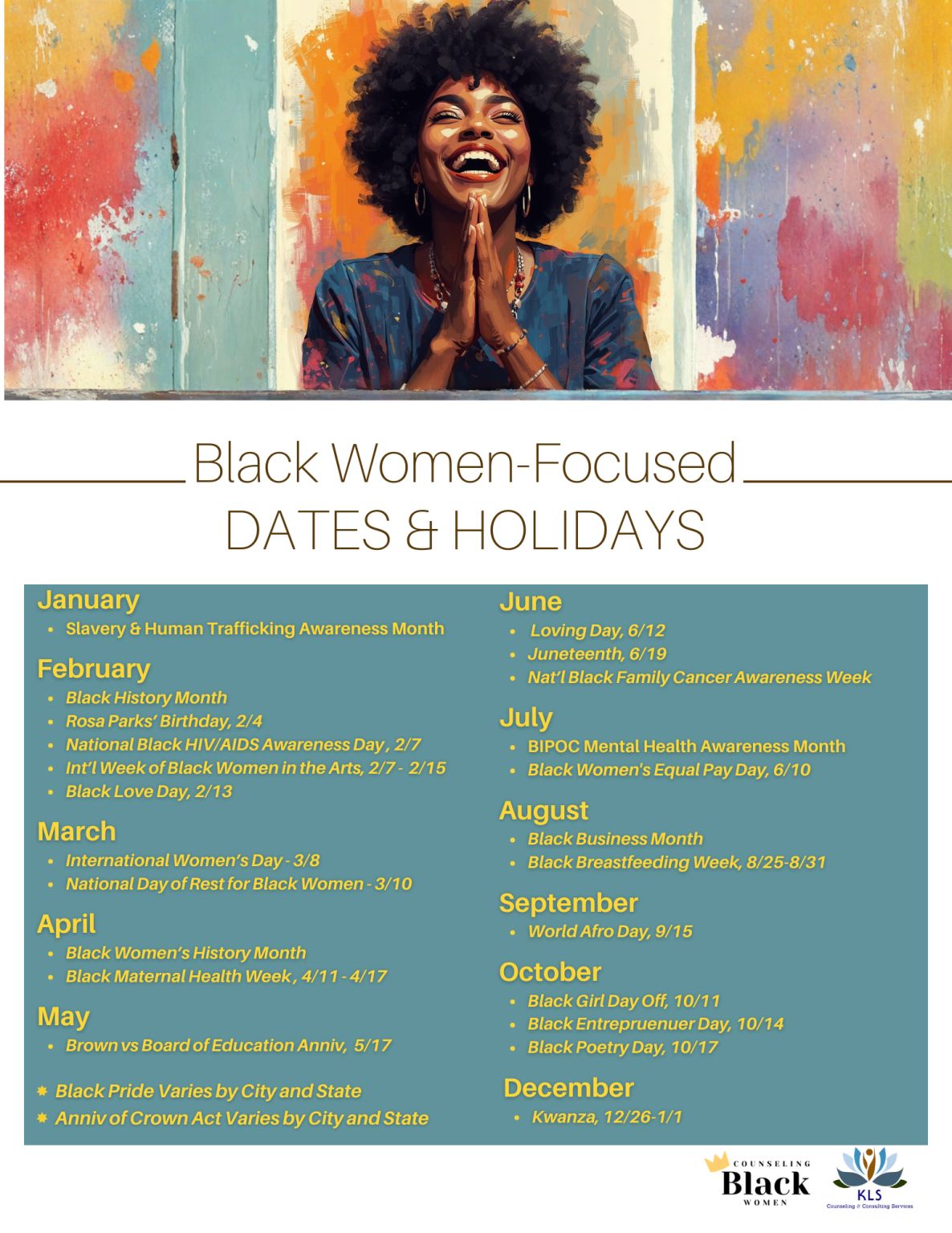
Cheat Sheet for Recognizing Black Women
This guidance is shared by Dr. Kimber Shelton, whose work continues to center the importance of culturally responsive approaches to mental health and well-being for Black women.
Below is a cheat sheet of awareness events and programs tailored for Black women, offering ways to better recognize, support, and center us throughout the year.