“As I grow older, part of my emotional survival plan must be to actively seek inspiration instead of passively waiting for it to find me.”
— Bebe Moore Campbell

A July 4th reflection of rights, resilience, and mental health.
It seems like the country came out of July 4th with a lot more than fireworks still on its mind.
Between Supreme Court decisions landing right before the holiday, ongoing debates about immigration enforcement, and a steady stream of executive actions reshaping how federal power gets used, it’s been one of those weeks where the news doesn’t feel like “news.” It feels like pressure.
As we mark America’s 250th anniversary, the question underneath all of it is still the same, even if the answer keeps shifting: What does “freedom” actually mean right now, and who is it working for?
For some people, The Fourth of July is about cookouts, family, and music spilling out into the street while fireworks go off too early in the neighborhood. For others, it carries a quieter weight. Not a rejection of the day, but awareness that the story of independence has never landed evenly.
Both things can be true at the same time.
What this week actually looked like
For instance, on June 30, the Supreme Court rejected efforts to end birthright citizenship, keeping in place the long-standing rule that children born in the United States are generally U.S. citizens under the Fourteenth Amendment.
The decision was 6–3. On paper, that’s a clear outcome. Birthright citizenship remains intact.
But what stands out is not only the result, but the divide within the Court itself. Three justices dissented, raising concerns about the decision and what it means for how citizenship protections are interpreted going forward.
And that matters, because birthright citizenship is not a new or experimental idea. It has been part of how the Constitution has been understood for generations. So when a case like this produces a split decision, it signals something deeper than disagreement over policy.
It reflects how even foundational questions about belonging, like who is recognized as part of this country, are still being actively contested at the highest level. And that’s what many people are responding to: not only the ruling itself, but what it suggests about how unsettled these protections can feel.
Zooming out, these recent rulings carry a broader tension. Some rulings have placed limits on executive power while others have expanded presidential authority in alarming ways that will shape how future administrations operate. One example is the recent decision allowing a president to remove a Federal Trade Commissioner, effectively overturning a 91-year-old precedent limiting at-will firings of independent agency officials. This ruling has been described as a notable expansion of presidential control over parts of the federal government once designed to operate with more independence.
So the direction isn’t clean or predictable. It shifts case by case under an administration led by an 80-year-old man who some psychiatric experts believe has shown numerous signs of cognitive decline in addition to seemingly falling asleep during public appearances amidst continuous attempts to establish policies that violate Americans’ rights and freedoms.
That uncertainty is why this moment feels harder to navigate because these decisions aren’t just legal abstractions. They directly affect how people understand stability, belonging, and safety in everyday life.
The system underneath the headlines
And for many Black and Brown communities, that overlap is already daily life.
It shows up in how people move through public spaces, how safe they feel around law enforcement, and how often families think twice before doing something as simple as driving, walking, or gathering outside.
Over the past several years, shifts in federal enforcement, immigration policy, and broader public safety approaches have shaped that reality in concerning ways. And we can be honest about what that creates: frustration, fear, anger, and exhaustion...sometimes all at once.
Because it’s hard to separate policy debates from lived experience when those debates keep touching the same communities over and over again.
Even when decisions are framed as procedural or framed in the language of “security” or “order,” people still feel the impact in their bodies and in their daily choices.
And yes, there’s a certain irony in how often “freedom” gets used in political language while so many people are still dealing with systems that feel anything but free.
This isn’t just about law. It’s about what it feels like to live inside a hostile and unjust system that you’re expected to simply accept.
What this does to our hearts and minds
When people feel like key parts of their rights, safety, or identity are being debated in real time, it doesn’t stay neatly in the news cycle. It lands in the body. It shows up as fatigue, tension, irritability, numbness, or a sense of always bracing for what comes next.
Not because people are overreacting, but because the environment asks for constant emotional vigilance.
For Black communities, this can carry an added weight. There’s often an expectation to keep going, stay composed, and be the one others rely on, even while processing the same uncertainty themselves. So care can’t just be abstract. It has to be practiced, intentionally, in real time.
That’s part of why Bebe Moore Campbell National Minority Mental Health Awareness Month in July matters so much.
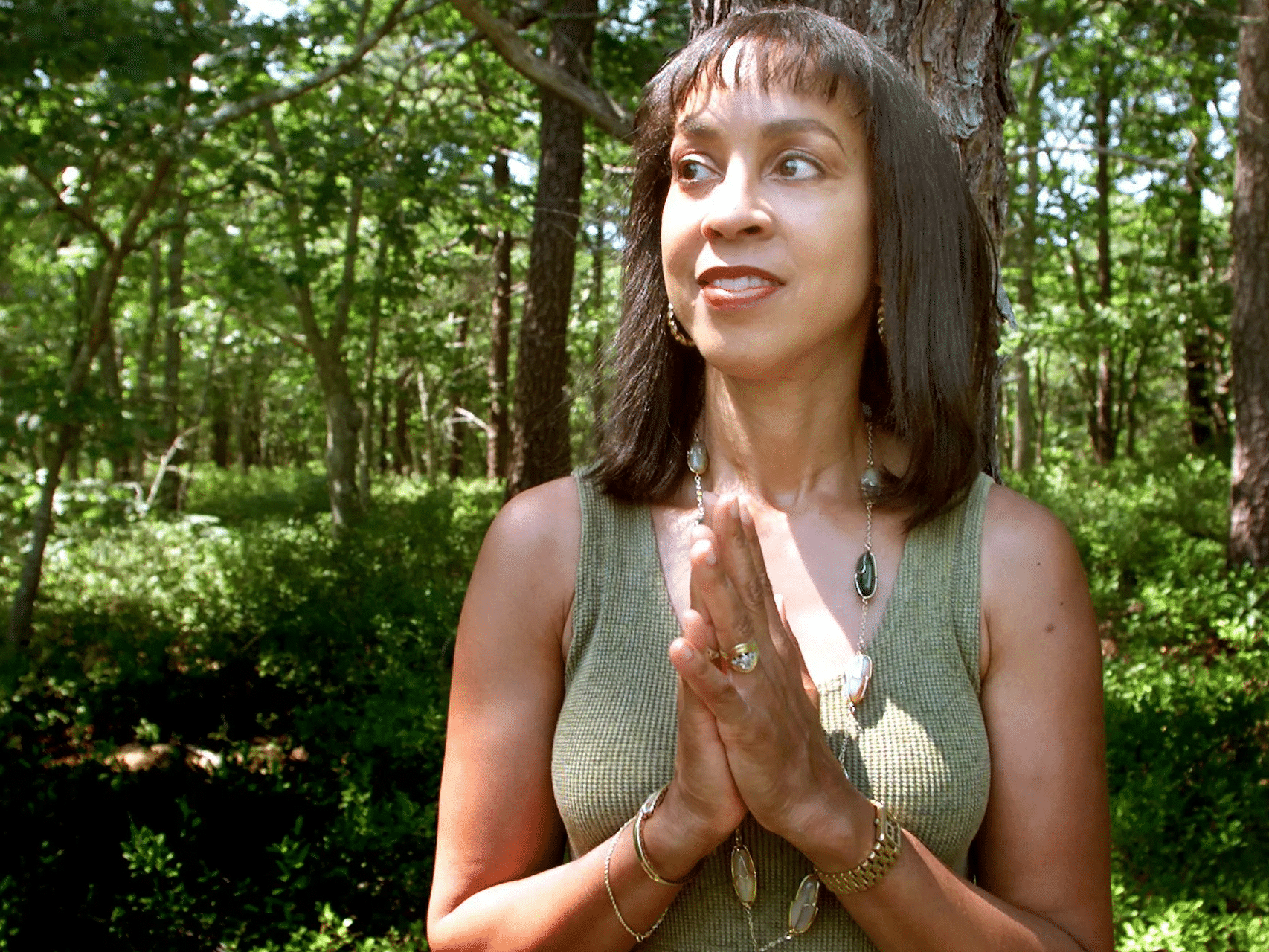
Bebe Moore Campbell pushed mental health into conversations that had long ignored how race, access, and lived experience shape care. She understood mental health not as separate from the world, but shaped by it.
Keeping her name attached to this month isn’t symbolic. It’s a reminder of origin—of who insisted these conversations needed to exist at all—and of why care for ourselves and each other has to stay central, especially for Black women carrying so much of what the world rarely pauses to see.
A longer history we’re still living inside
July 4th comes with the awareness that independence has always been complicated in this nation.
The American Revolutionary War (1775–1783) created a country built on freedom as an ideal, while many people living in it were still denied that freedom entirely. Black Americans were present in that history, not only as observers, but as participants, even as they were excluded from the promises being written.
PBS has a powerful documentary that explores this layered history and the role of Black Americans during the Revolution: Watch here
This contradiction doesn’t disappear with celebration. It sits underneath it, quiet but persistent.
So where does that leave us?
Maybe the question isn’t whether we celebrate July 4th. Most people will, in some form.
The question is what we make room for alongside it, like the grief and pride along with the joy and critique.
And maybe that’s where community matters most. Being outside. Talking to people. Letting your nervous system step out of constant intake for a while. Finding moments that aren’t defined by policy or headlines.
Not because everything is fine, but because we still need to ground ourselves. It’s okay to unplug when you can, step back from the constant stream of news, and breathe without carrying everything at full volume. That’s part of care too.
1M4 is here to remind you that you don’t have to hold everything alone. Sometimes the best thing you can do is step back, breathe, and be present with the people around you.
Your Sistas Through It All,
The Ladies of 1M4
A mental health tip for you
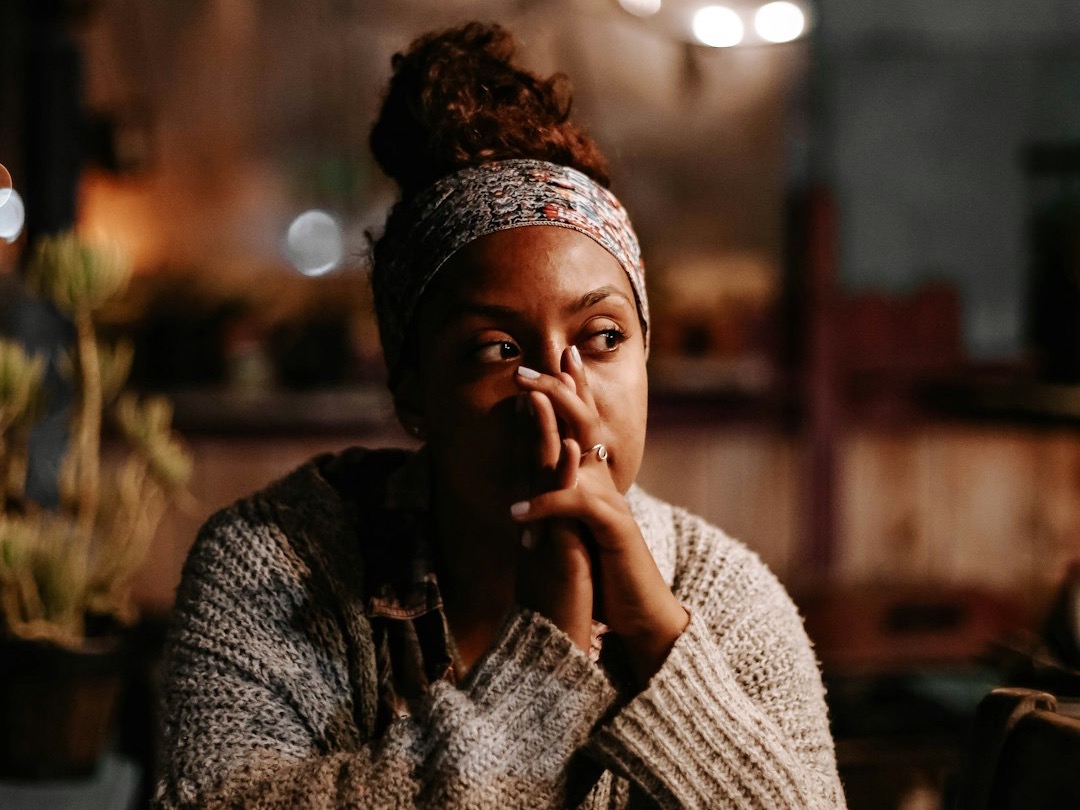
Photo by kevin turcios on Unsplash
A grounded mental health takeaway inspired by Bebe Moore Campbell is this: naming what you’re feeling is a form of care.
Bebe consistently pushed the idea that mental health doesn’t exist in isolation. It’s shaped by culture, race, access, and lived experience. So one practical extension of her work is giving yourself permission to translate heavy emotions into language instead of carrying it as pure weight in the body.
When things feel heavy, try asking:
-
What am I actually feeling? Stress, grief, anger, fatigue, or all of them?
-
What is this connected to in my environment or day-to-day life?
-
What would support look like right now, even in a small way?
The goal isn’t to solve everything in that moment. It’s to interrupt the cycle of silent suffering.
That kind of naming is part of what she made space for—making mental health something you can recognize, talk about, and respond to with care instead of suppression.
Spread Some Blessings!
The consequences of police violence extend far beyond the loss of life. For families affected, it’s the loss of income, the sacrifice of basic necessities, and the start of a high-cost legal fight. If you have the capacity, consider donating to 1M4. Proceeds help support impacted families and sustain the work of 1M4 toward ending police violence for good.


This summer, 1M4 is hosting a series of Sunset Walks across multiple cities as part of our fundraising campaign.
Each walk, taking place in cities including Nashville, Northern Virginia, Jackson, Charlotte, Detroit, and Atlanta, will bring together community members for an evening of connection and collective action.
Together, we’re raising funds to support 1M4’s ongoing work building tools, advocacy, and support systems that advance care-centered crisis response across the country.
More details, city-specific info, and links coming soon! Mark your calendars for August 15th.
As we focus on bringing our TV series to life, we continue to uplift the work of trusted community partners. On our website, you’ll find upcoming events hosted by these organizations so you can stay connected to the resources, conversations, and support you need.
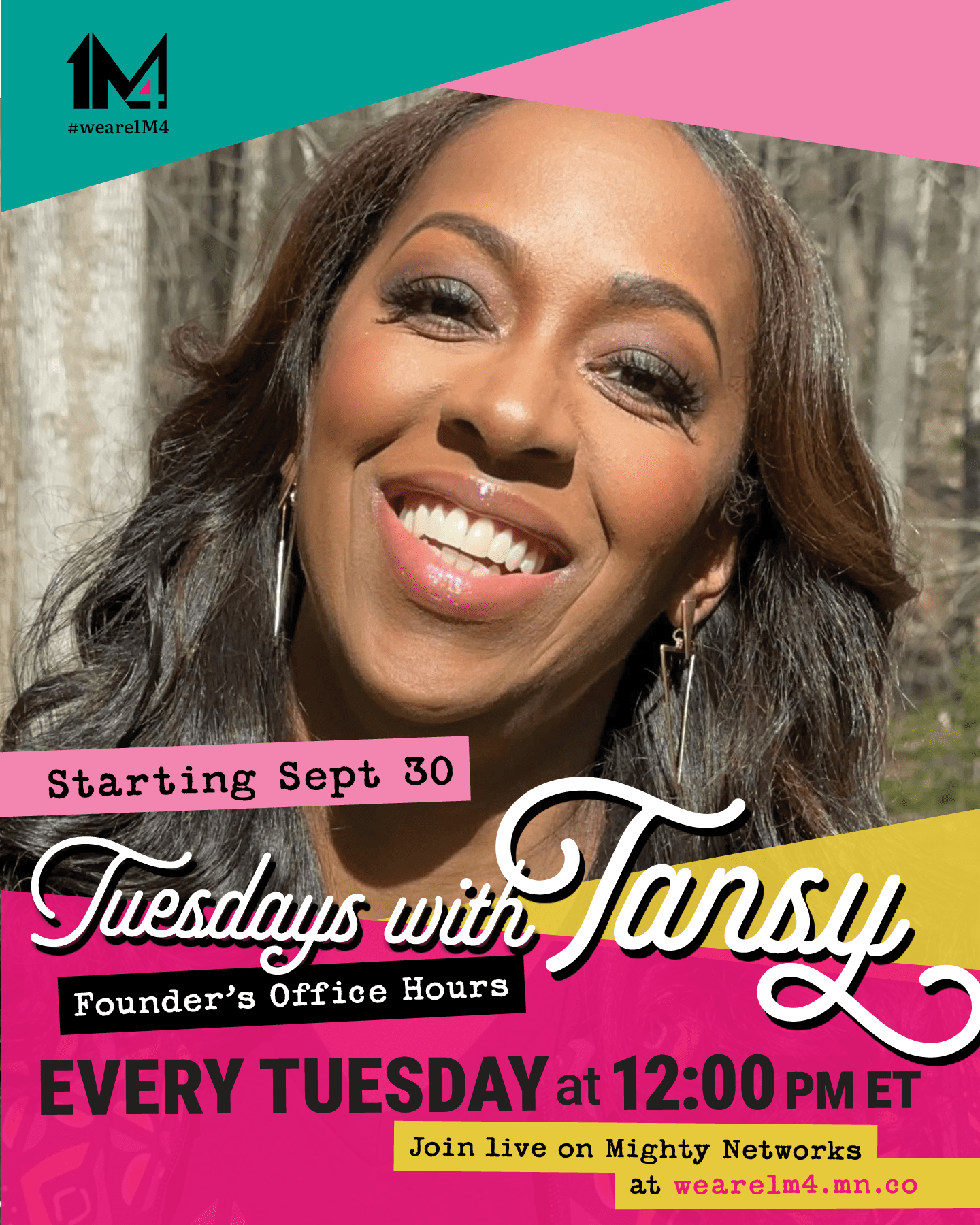
To make sure our community has the tools to stay safe and support each other, our Founder, Tansy, holds weekly office hours to answer questions and walk members through 1M4’s safety resources.
No registration needed. Just join 1M4 via the button below, then hop into our online convos at 12 PM ET every Tuesday.
Got a pressing question? Send an email to info@1m4.org, and we’ll get back to you before the next session.
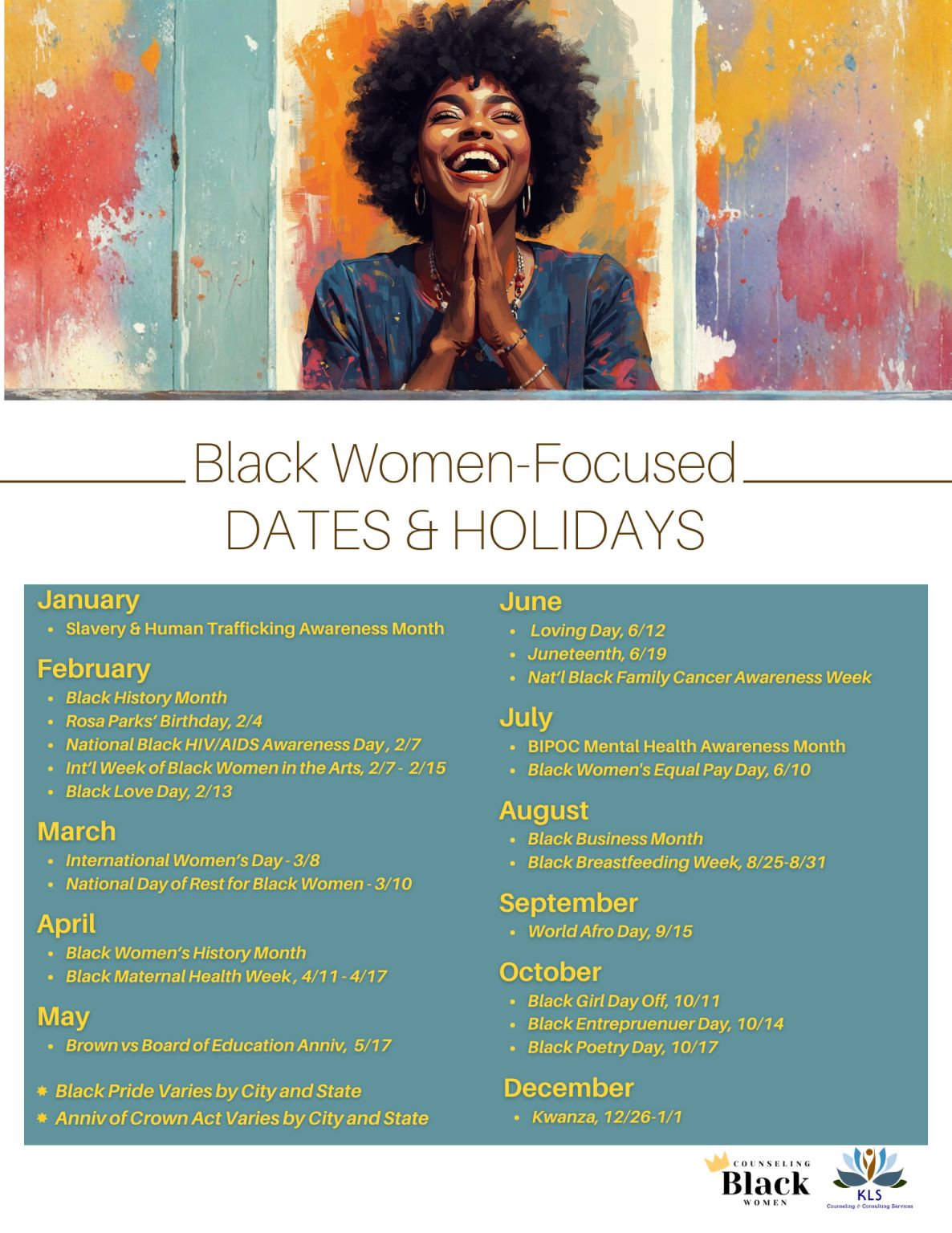
Cheat Sheet for Recognizing Black Women
This guidance is shared by Dr. Kimber Shelton, whose work continues to center the importance of culturally responsive approaches to mental health and well-being for Black women.
Below is a cheat sheet of awareness events and programs tailored for Black women, offering ways to better recognize, support, and center us throughout the year.
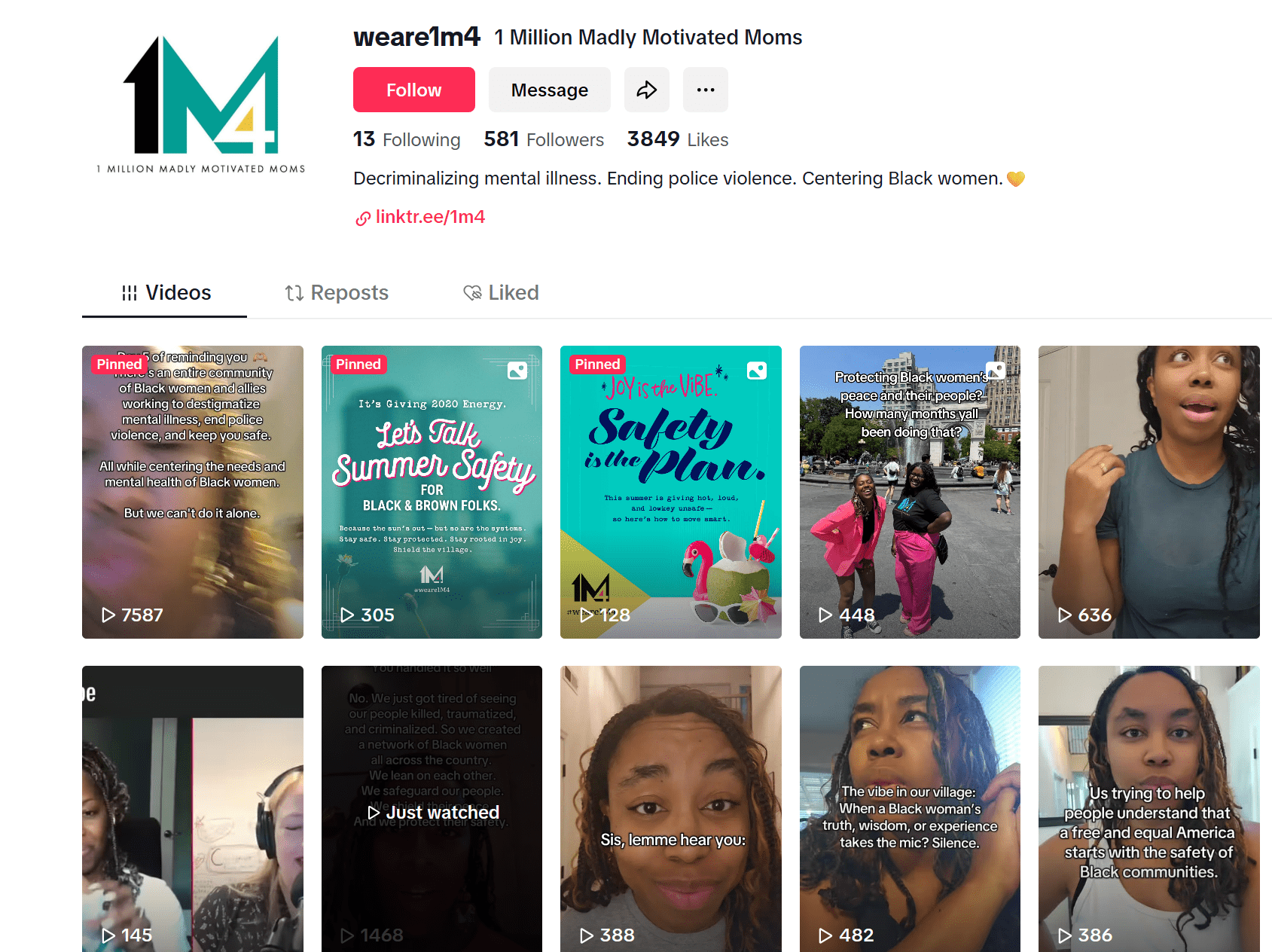
Ok so… we’re on TikTok now! Follow, engage, and rep 1M4 over there. We’re doing our best to reach the people.
Help some Sistas out!


You Got Your 1M4 Merch Yet?
Visit the 1M4 merch store to make sure you’re representing at court support, protests, or in line at your favorite coffee spot. We want to see YOU in your 1M4 gear. Every purchase goes directly to funding the work of 1M4 increasing access to safety and wellness.