"You deserve safety. You deserve protection. You deserve love. You deserve peace.”
— Tarana Burke

Charity Adams Earley inspecting the troops in 1942. Courtesy of U.S. Army
As we move into summer, something shifts.
The days get longer. People are outside more. Cities feel louder, fuller, and faster as parks, streets, transit stops, and neighborhood corners become more active shared spaces.
With this transition, a familiar pattern emerges: increased tension in public spaces, more reported police interactions, and rising concerns around community safety.
In some public safety discussions, this period is informally referred to as “fight season,” reflecting how warmer weather and higher public presence can correlate with more visible conflict.
A recent analysis also suggests that heat may influence behavior, with higher temperatures linked to increased aggression and emotional reactivity at the population level—especially when combined with crowding or other stressors. This doesn’t mean heat causes harm directly, but it does show how an environment can shape the way people interact and how situations unfold in public space.
Increased public interaction
With more time spent outside and more people moving through shared spaces, friction becomes more likely, making summer a season that requires greater awareness in environments where interactions with law enforcement also tend to increase.
These patterns are not inevitable. They are predictable, which also means they are preventable.
Summer brings greater visibility in public spaces, and for many Black and brown communities, this can mean increased exposure to surveillance or escalated encounters in spaces meant for everyday life and movement.
Kids, summer, and the loss of third spaces
We also have to consider what this shift means for children and caregivers.
When school ends, structure disappears overnight. Young people suddenly have more free time, but fewer accessible places to go. Over time, many “third spaces”—libraries, parks, and community centers where people can gather freely—have declined.
Sociologist Ray Oldenburg described third spaces as essential to community life: informal gathering places where people can exist without cost or expectation.
As these spaces shrink, more of daily life spills into public space itself, increasing pressure on environments that were never designed to hold that level of need. For parents and caregivers, that reality can feel especially heavy, knowing that safety, supervision, and stability often depend on systems and spaces that are vanishing.
A prevention lens
At 1M4, we view summer through a prevention lens.
Not reaction after harm. Not escalation after misunderstanding. But awareness and care before situations unfold.
Summer increases public interaction, which means more opportunities for both connection and conflict. Prevention lives in those early moments before situations escalate, when communication and awareness still shape outcomes.
Most harm in public space doesn’t begin as crisis. It begins in small moments of stress, confusion, or miscommunication.
Even with these realities, the goal is not fear. It’s presence.
We want summers that are safe, but also full, connected, and joyful. We want young people to have places to exist without being criminalized for being outside. We want communities to feel supported in shared spaces, with fewer unnecessary escalations and more moments of understanding.
Safety and joy are not separate goals. They reinforce each other.
Looking ahead: August sunset walks
We’re preparing to launch sunset walks across cities nationwide in August.
These walks are moments of grounding and community connection—simple gatherings at the end of the day where people come together in shared space, slow down, and reconnect with themselves and each other.
They will create space for presence in a fast season and offer an opportunity to build connection in the places we already live.
They are also part of how we continue building awareness of 1M4, not only as a crisis resource, but as a tool for prevention, connection, and access to lifesaving information before situations escalate.
Community safety does not only exist in emergencies. It also exists in everyday moments, and we’re excited to share more about how you can be part of it.
Moving into the season with intention
This upcoming season brings both challenges and opportunities.
When we understand the conditions shaping this season—heat, crowded spaces, limited youth environments, and increased public interaction—we can respond with intention instead of assumption.
A final question:
What would it look like to design our public spaces, and our interactions within them, so that safety and connection are present from the start?
Because the goal isn’t just fewer harmful moments. It’s more moments of joy and care where harm never has a place.
Your Sistas Through It All,
The Ladies of 1M4
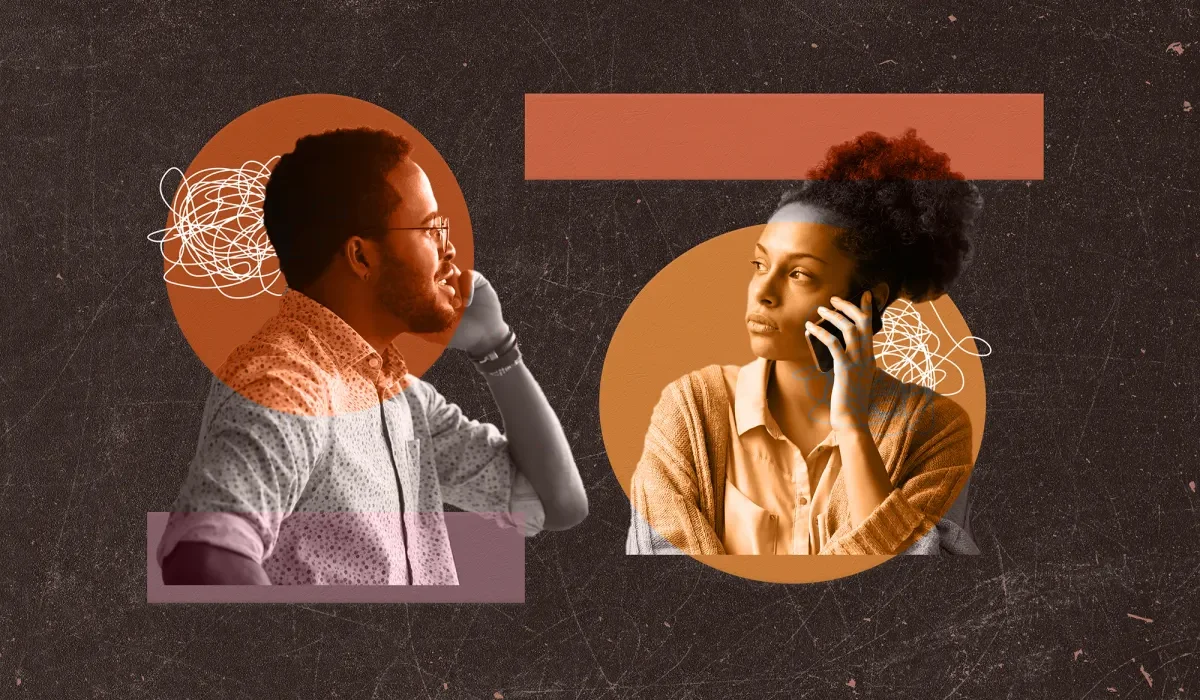
In a new MindSite News article, researchers from the University of Chicago Health Lab explore how 988 and 911 systems can better collaborate to support people in crisis through stronger communication, trust, and care-centered response models.
Our founder, Tansy McNulty, was featured in the report, sharing this:
A mental health tip for you
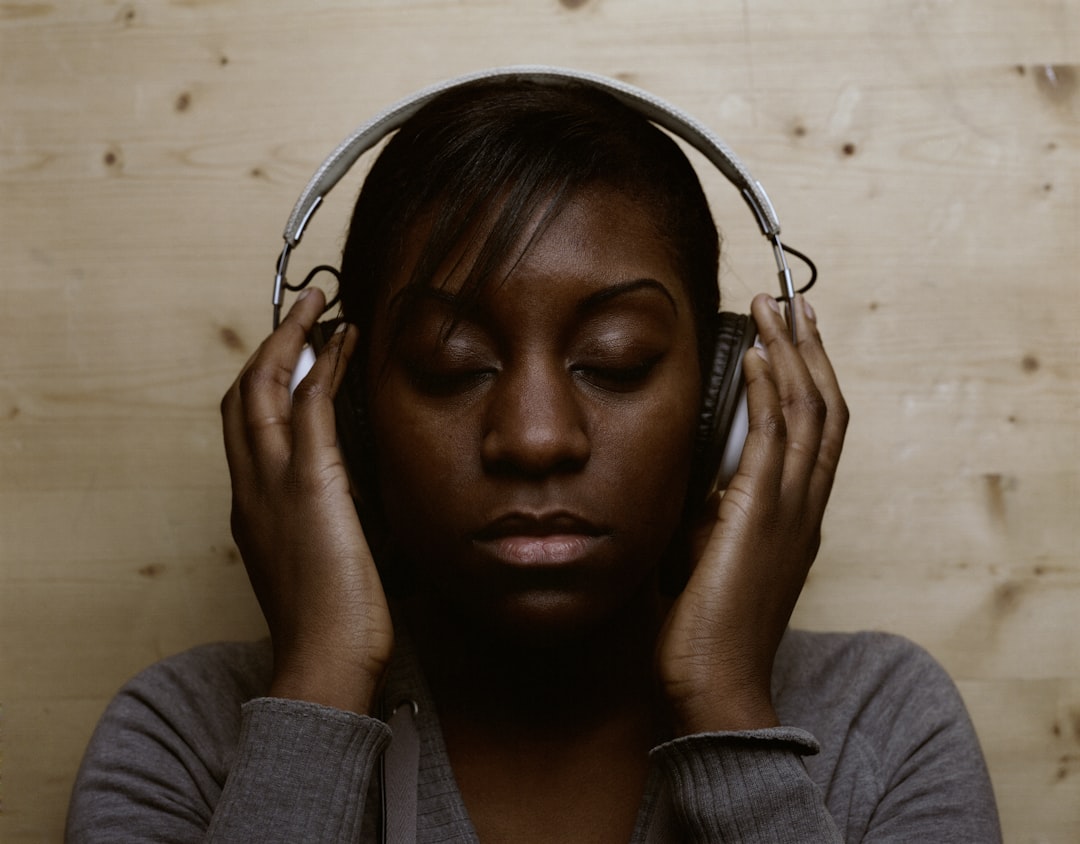
Create a 10–15 minute “regulation playlist” with songs that help you feel grounded, whether that’s R&B, neo-soul, gospel, or whatever music centers you. When things feel overstimulating (heat, noise, crowds), step away if you can, press play, and focus on the rhythm. Let your breathing match the tempo and allow your body to settle.
Music can help regulate your nervous system by shifting your mood, slowing your breath, and giving your mind something steady to anchor to.
We’ve curated an 1M4 Sista Checkin Playlist help you recenter your thoughts and remind you of the greatness within. . If you have Apple Music, you can listen here:
Spread Some Blessings!
The consequences of police violence extend far beyond the loss of life. For families affected, it’s the loss of income, the sacrifice of basic necessities, and the start of a high-cost legal fight. If you have the capacity, consider donating to 1M4. Proceeds help support impacted families and sustain the work of 1M4 toward ending police violence for good.

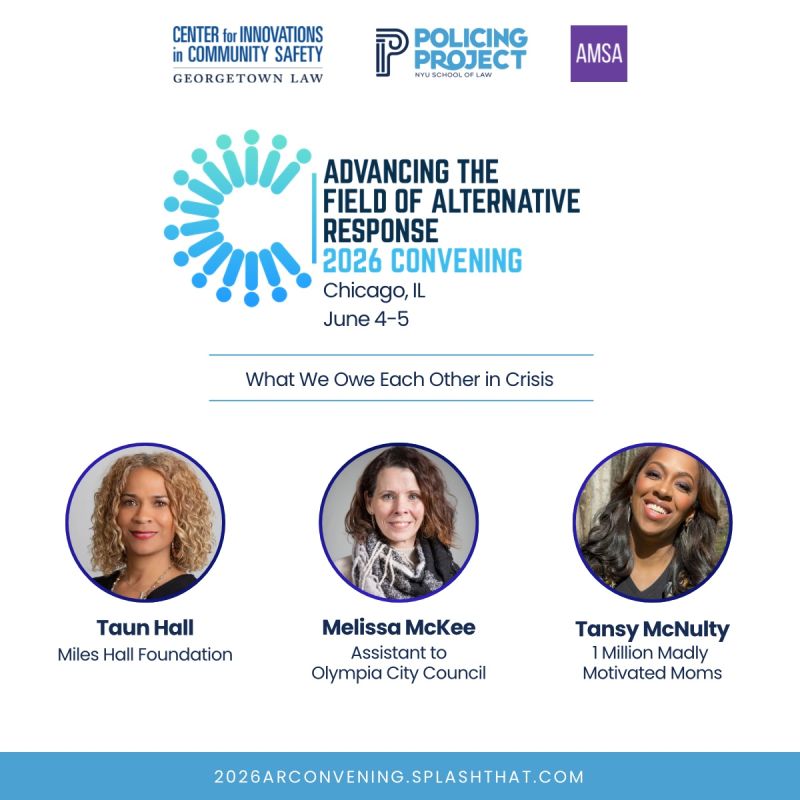
After losing her son Miles during a mental health crisis in 2019, Taun Hall transformed grief into advocacy, co-founding The Miles Hall Foundation and becoming a leading voice for care-centered crisis response.
At our 2026 Advancing the Field of Alternative Response Convening in Chicago, she’ll join our founder, Tansy McNulty, alongside Melissa McKee for a powerful opening fireside conversation: “What We Owe Each Other in Crisis.”
Together, they’ll explore lived experience, healing, and the future of alternative response.
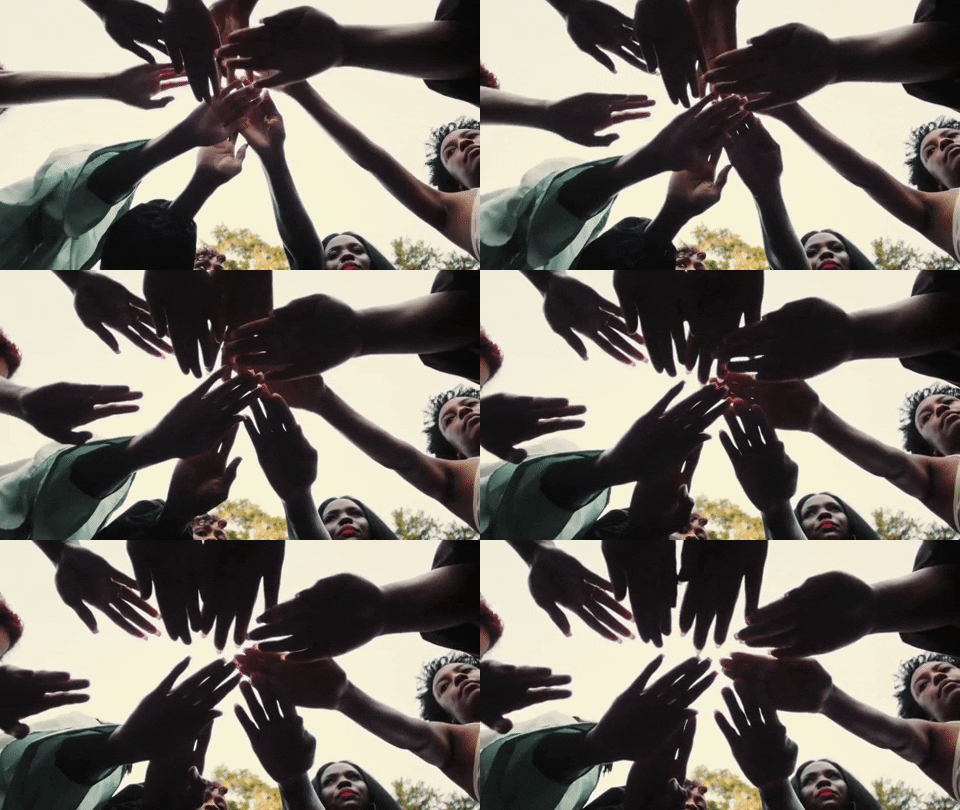
As we focus on bringing our TV series to life, we continue to uplift the work of trusted community partners. On our website, you’ll find upcoming events hosted by these organizations so you can stay connected to the resources, conversations, and support you need.
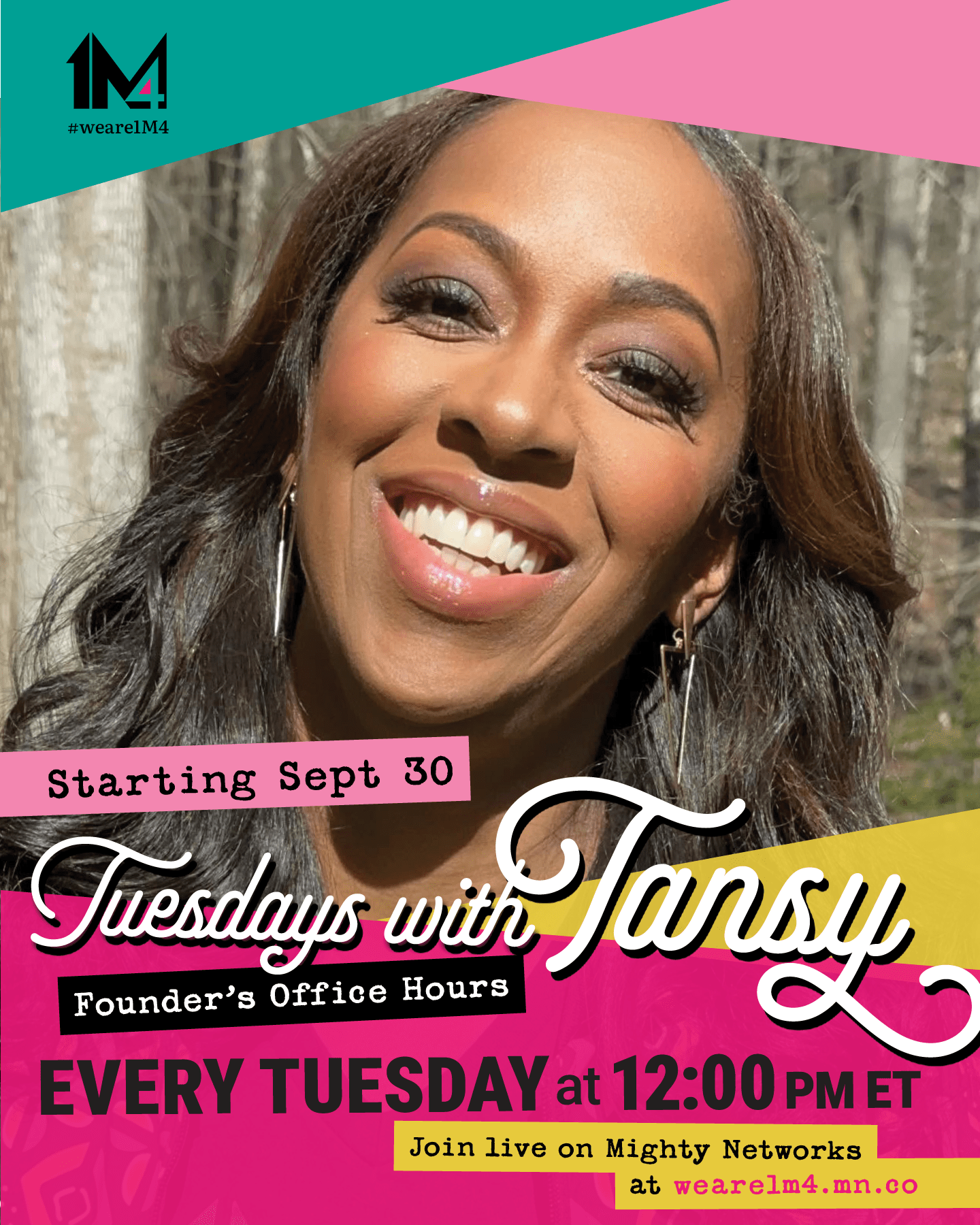
To make sure our community has the tools to stay safe and support each other, our Founder, Tansy, holds weekly office hours to answer questions and walk members through 1M4’s safety resources.
No registration needed. Just join 1M4 via the button below, then hop into our online convos at 12 PM ET every Tuesday.
Got a pressing question? Send an email to info@1m4.org, and we’ll get back to you before the next session.
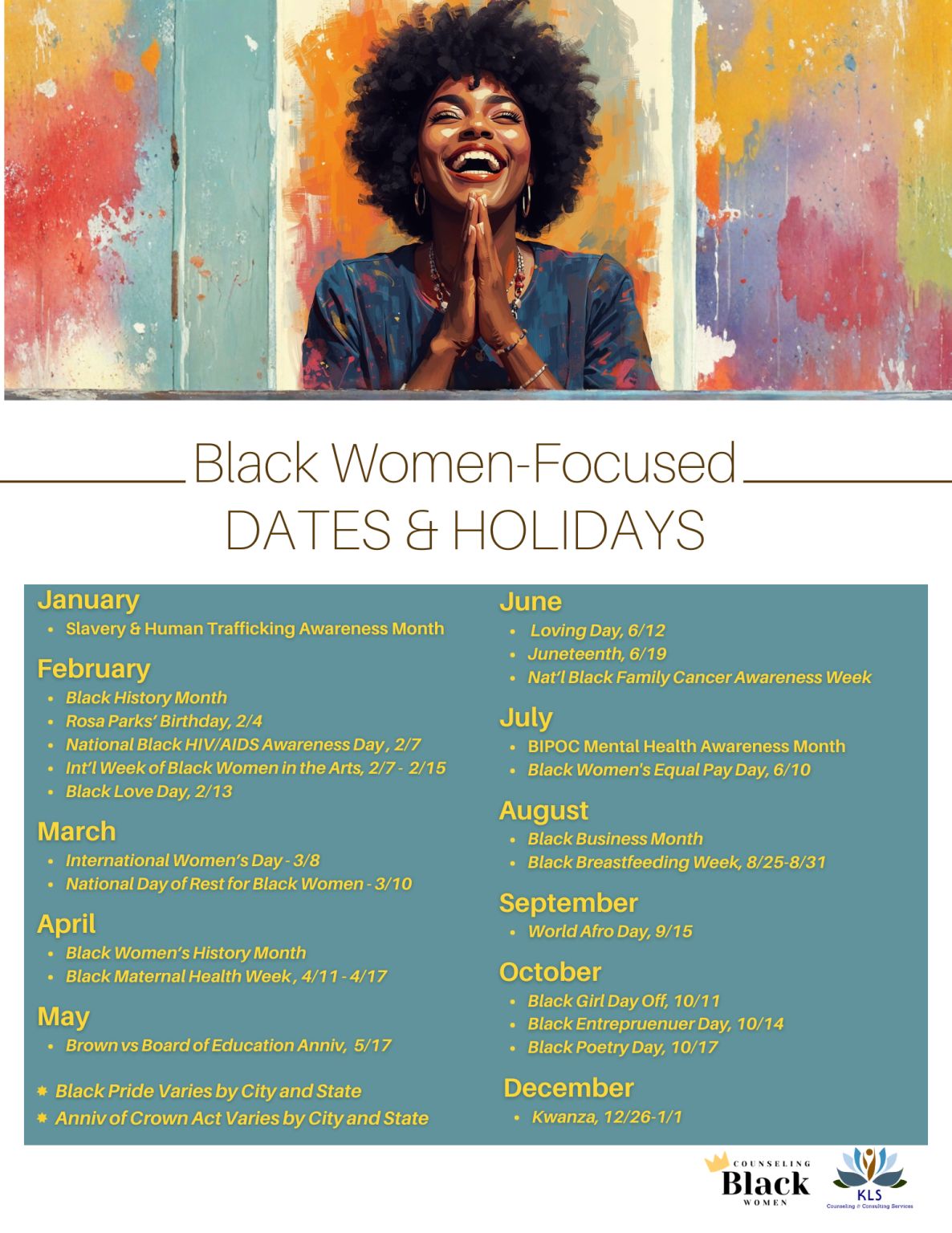
Cheat Sheet for Recognizing Black Women
This guidance is shared by Dr. Kimber Shelton, whose work continues to center the importance of culturally responsive approaches to mental health and well-being for Black women.
Below is a cheat sheet of awareness events and programs tailored for Black women, offering ways to better recognize, support, and center us throughout the year.
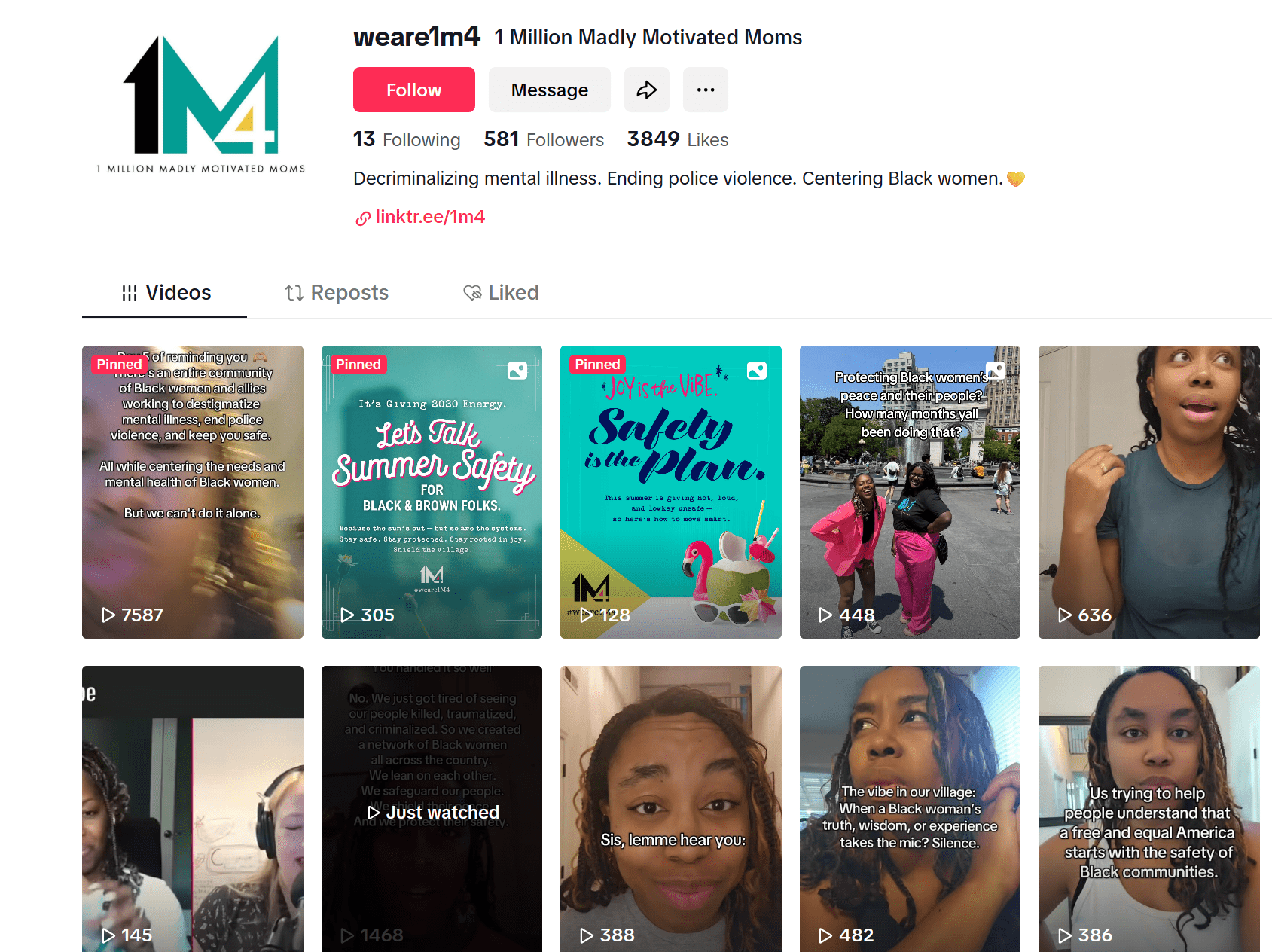
Ok so… we’re on TikTok now! Follow, engage, and rep 1M4 over there. We’re doing our best to reach the people.
Help some Sistas out!


You Got Your 1M4 Merch Yet?
Visit the 1M4 merch store to make sure you’re representing at court support, protests, or in line at your favorite coffee spot. We want to see YOU in your 1M4 gear. Every purchase goes directly to funding the work of 1M4 increasing access to safety and wellness.