
“But really, we also need to learn how to love one another as women. How to appreciate and respect each other.” — Chaka Khan
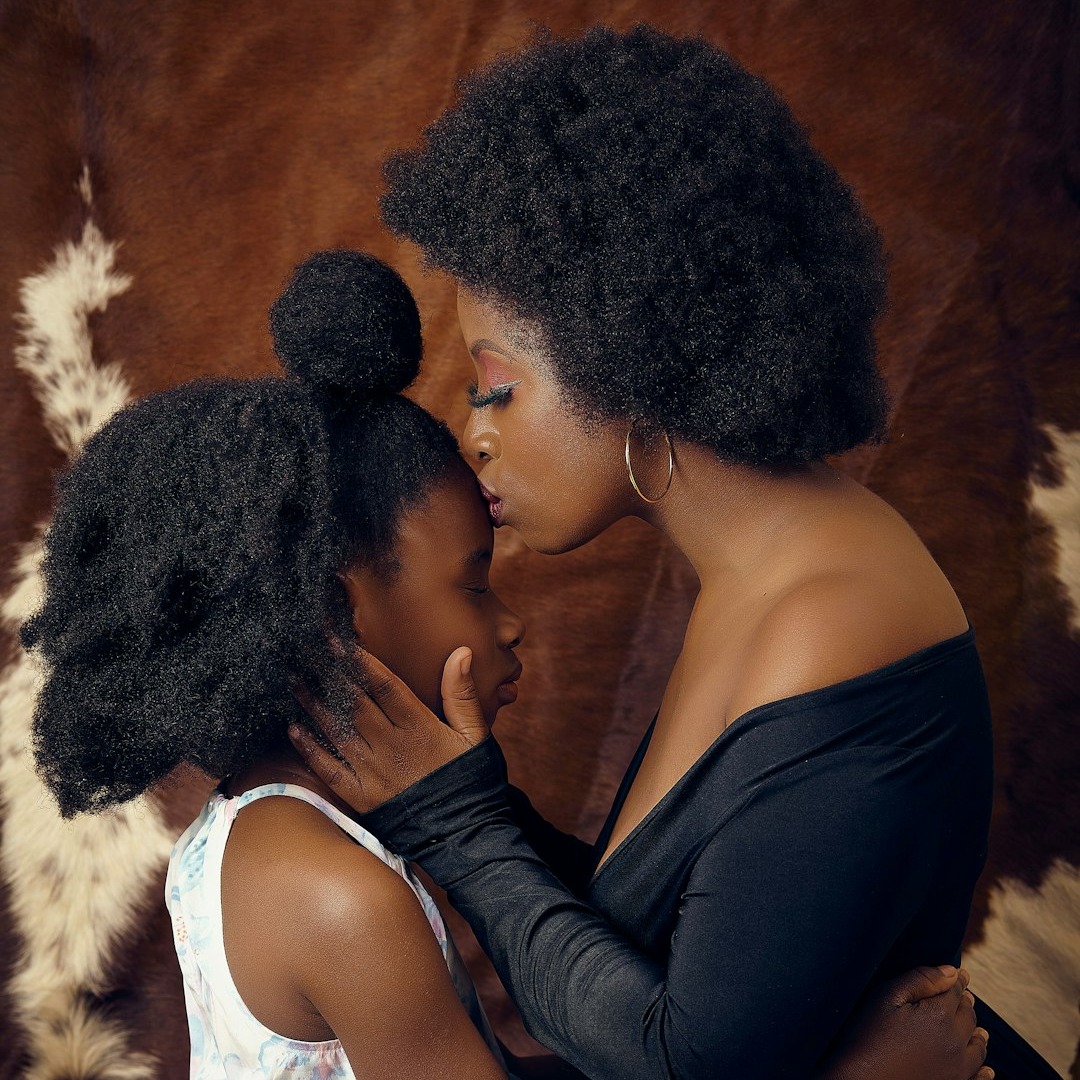
Photo by Ben Masora on Unsplash
Black mothers are at the center of everything we do here at 1M4.
As the backbone of our communities, we wouldn’t be here without them, their strength, resilience, and care. That’s why it’s so important to understand the unique challenges they face, from disparities in maternal health to the mental and emotional stressors that may look different from what’s often expected.
This Black Maternal Health Week (founded by the Black Mamas Matter Alliance), we’re raising awareness, sharing research, and connecting families to resources to ensure that Black moms are seen, supported, and celebrated, not just during this time, but every day.
Black maternal health: What’s happening
Even someone like Serena Williams—one of the most successful and wealthiest athletes of all time—faced life-threatening complications during childbirth, showing that economic or social privilege still doesn’t protect Black women from these systemic risks.
What’s especially heartbreaking is that the majority of these deaths are considered preventable with quality care, culturally responsive providers, and systems that listen when Black women speak (CDC, Office of Women’s Health).
Complications like preeclampsia, postpartum hemorrhage, gestational diabetes, high blood pressure, preterm birth, and low birth weight happen at higher rates among Black women. These outcomes aren’t just about individual health. They are tied directly to systemic issues like unequal access to care, implicit bias in medical settings, and a healthcare system that too often fails to take Black women’s concerns seriously.
When Black women express pain and are dismissed, that’s not just frustrating. It’s dangerous.
The role of stress
Stress affects your body, pregnancy, and overall health. 40% of Black women experience maternal mental health symptoms, nearly twice the rate of all women (CDC, 2021), including anxiety, depression, and postpartum mood disorders.
This stress often comes from more than daily life. It’s chronic and rooted in racial trauma, discrimination, and systemic barriers. And it can have real physiological effects, increasing the risk of complications. In short, stress isn’t just “in your head.” It shows up in your body and can affect generations.
Stress awareness in action
It’s Stress Awareness Month, and there’s no better time to talk about how stress shows up in our bodies and our lives. Stress isn’t just emotional. It’s physical. It lives in your jaw, shoulders, breathing, and even sleep patterns.
For Black women, stress is also about navigating spaces that make you prove your humanity again and again.
That’s not something we should gloss over.
And while individual strategies are helpful, community support is vital too. Culturally responsive care—including doulas, midwives, and community health workers—can improve communication with providers, build trust, and help Black women feel truly seen and heard (The Commonwealth Fund, 2021).
Why we should also talk about autism
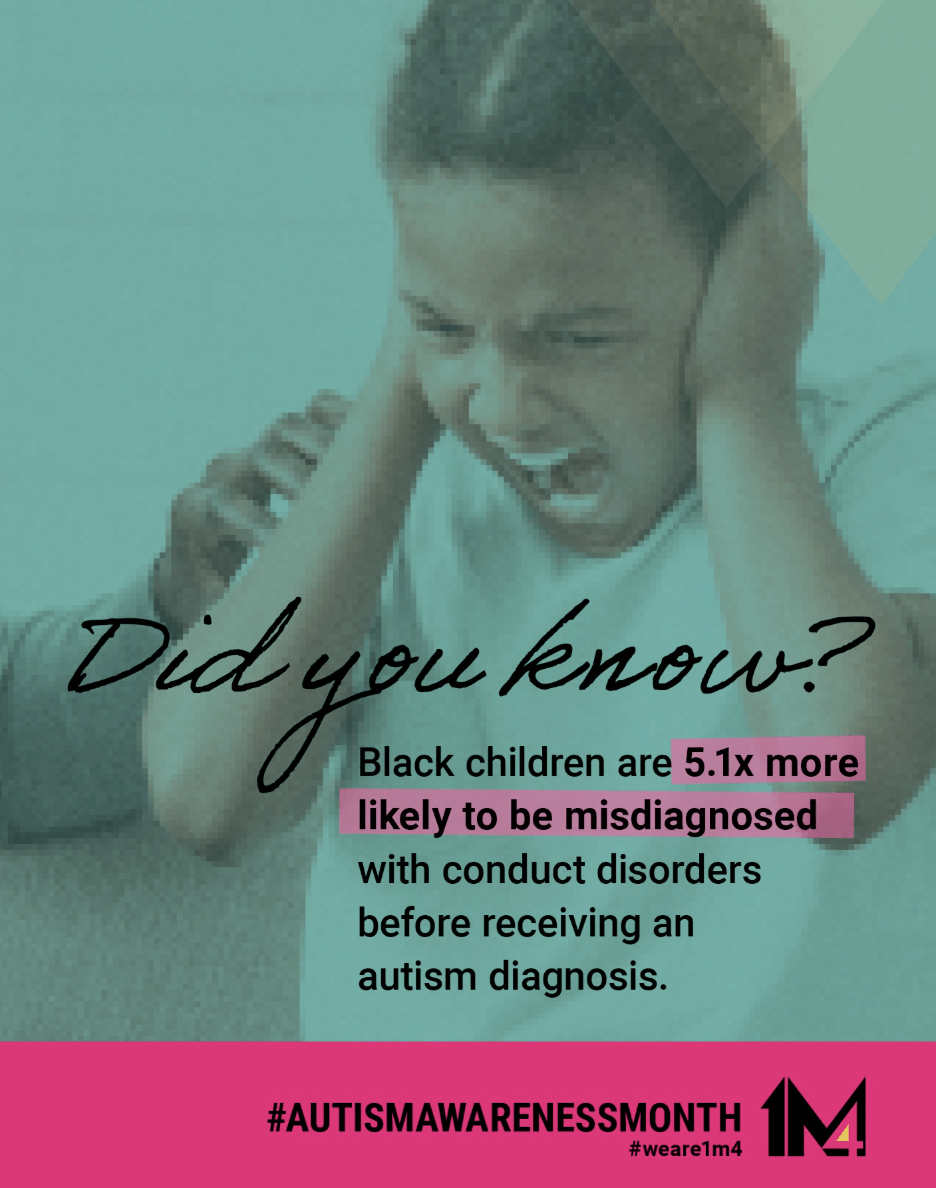
April marks Autism Awareness Month, and it highlights another way systemic stress affects Black families, starting with mothers. Did you know Black children are 5.1x more likely to be misdiagnosed with conduct disorders before ever receiving an autism diagnosis? Research consistently shows that Black children often experience significant delays in autism diagnosis and intervention compared with their white peers (Aylward et al., 2021). In many cases, children aren’t diagnosed until years after parents first raise concerns, meaning critical early support is missed (Child Mind Institute, 2025).
As expected, these delays aren’t random. They stem from barriers like implicit bias in evaluations, limited access to developmental screenings, and provider assumptions that label behaviors instead of seeing the underlying needs. This mirrors the challenges Black mothers face in maternal care: even when they speak up, their concerns may be ignored or misinterpreted, adding stress during pregnancy and early parenting.
Think about the kids in our communities who were always “acting out” or labeled “troublemakers.” Many of them were showing signs we didn’t yet have the language for.
When we don’t talk about neurodivergence openly, our folks don’t get diagnosed. And when we don’t get diagnosed, we don’t get support. That gap doesn’t exist in isolation, and it adds to the weight of systems already working against us.
For so many, it looked like being labeled a behavior problem instead of a child who needed support. Falling behind in school, but being called lazy or distracted. Struggling to make friends but being told you’re just shy. Sensory sensitivities dismissed as being “too much.”
And in Black communities, stigma and survival often intersect. We’ve been taught to push through, pray it away, or stay quiet. Layer that with a medical system that has historically overlooked and misdiagnosed Black patients, and too many children end up undiagnosed, unsupported, and unseen.
The delay in recognition doesn’t just postpone care. It adds to maternal stress, affects the child’s early development, and reinforces a system that puts extra burdens on Black mothers.
By understanding the connection between Black Maternal Health Week and Autism Awareness Month, we see the larger picture: supporting Black mothers means addressing the systemic stressors that impact both maternal health and their children’s well-being.
Why it all matters
It’s about the fact that stress, especially chronic stress tied to bias and unequal care, shows up physically and emotionally, and how it impacts real outcomes for Black women and children.
But there is hope because awareness leads to action.
Here are some of the things that need to happen now:
-
Expand access to care that is respectful, competent, and culturally responsive
-
Support and train healthcare providers to recognize and reduce bias
-
Build community networks that meet Black mothers and families where they are
-
Validate lived experiences and center Black voices in solutions
These are practical, life-saving changes that we hope to see prioritized and implemented in the spaces and systems tasked with our care.
Sending love and support to all of our Black moms out there.🫶🏾
Your Sistas Through It All,
The Ladies of 1M4
A mental health tip for you

Black mothers are carrying it all without pause. Today, give yourself permission to check in with yourself the same way you check in with everyone else.
This might look like:
-
Taking 10–15 minutes of quiet before the day starts or after it ends
-
Saying “not today” to something that drains you
-
Reaching out to another Black mom who gets it
-
Letting go of the idea that you have to do everything perfectly
Rest, boundaries, and support are necessary, and you deserve them all.
Just a reminder that we’re celebrating National Poetry Month, so if you’ve got a piece you’d like to share, we’d love to feature your poetry! Send us your work by emailing info@1M4.org to be featured across our social channels.
For our Black moms and caregivers: explore our 1M4 Black Mental Wellness Resource Guide for trusted tools and support resources to help you care for your mental well-being.
Spread Some Blessings!
The consequences of police violence extend far beyond the loss of life. For families affected, it’s the loss of income, the sacrifice of basic necessities, and the start of a high-cost legal fight. If you have the capacity, consider donating to 1M4. Proceeds help support impacted families and sustain the work of 1M4 toward ending police violence for good.


To make sure our community has the tools to stay safe and support each other, our Founder, Tansy, holds weekly office hours to answer questions and walk members through 1M4’s safety resources.
No registration needed. Just join 1M4 via the button below, then hop into our online convos at 12 PM ET every Tuesday.
Got a pressing question? Send an email to info@1m4.org, and we’ll get back to you before the next session.
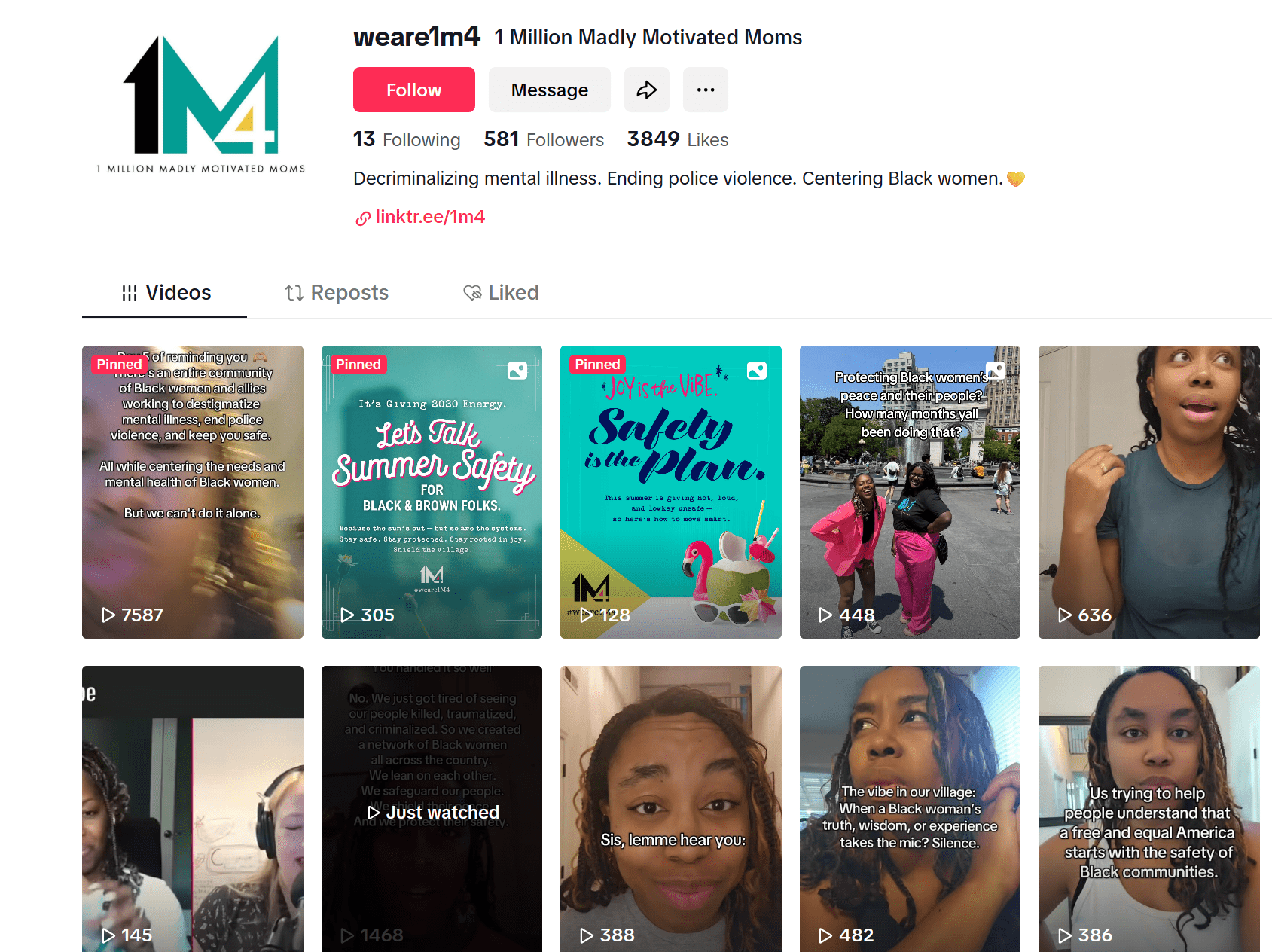
Ok so… we’re on TikTok now! Follow, engage, and rep 1M4 over there. We’re doing our best to reach the people.
Help some Sistas out!


You Got Your 1M4 Merch Yet?
Visit the 1M4 merch store to make sure you’re representing at court support, protests, or in line at your favorite coffee spot. We want to see YOU in your 1M4 gear. Every purchase goes directly to funding the work of 1M4 increasing access to safety and wellness.