“When you hear these stories about different cases of police brutality, don’t just make that person just another hashtag, another statistic. That is somebody’s father, brother, sister, mother—be more aware of what that means.” — KiKi Layne
The National Day of Protest Against Police Brutality was observed on October 22, but the fight against police violence continues long after a single day of action.
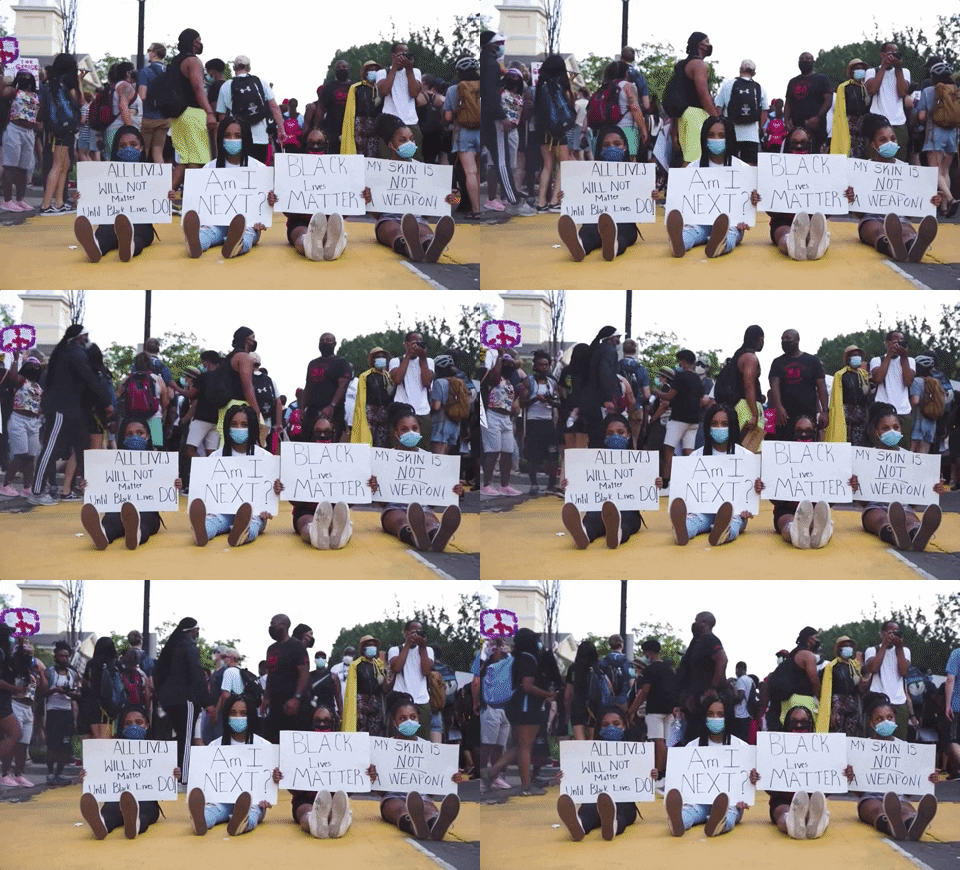
For generations, Black communities have organized, marched, and demanded accountability from institutions that have caused profound harm.
This year’s observance offers an opportunity to reflect on that history and the work still ahead.
At 1M4, our mission is to develop and execute prevention strategies that transform public safety, provide financial and emotional support to families impacted by police violence, and prioritize mental wellness within the Black family. These commitments are interconnected. Ending police violence means pursuing accountability while preventing harm and ensuring individuals and families have the support they need to heal.
The numbers show why this work matters
Behind every statistic is a person, a family, and a community changed forever. The latest data underscores the disproportionate impact of police violence on Black Americans.
According to Mapping Police Violence’s 2025 year-end analysis, law enforcement killed 1,314 people across the United States in 2025. Although that represented a 5% decline from 2024, Black people remained 2.6 times more likely than white people to be killed by police. Read the report.
Fatal encounters are only part of the problem. Racial profiling, excessive force, and the criminalization of mental health crises also affect Black communities, leaving families to navigate grief, trauma, and prolonged fights for justice. While police killings declined in 2025, the racial disparity underscores the need for prevention and meaningful oversight.
A legacy of resistance, continued today
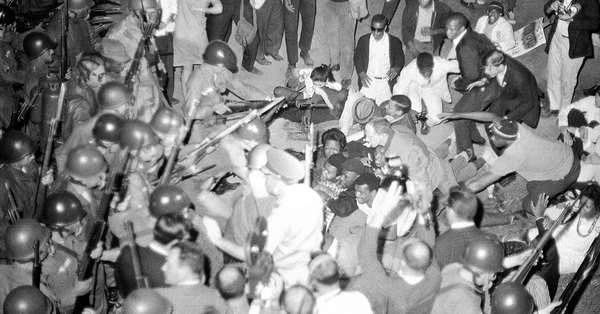
Black communities have long challenged police brutality through organizing, public demonstrations, and demands for justice.
During the Civil Rights Movement, images of law enforcement attacking peaceful demonstrators exposed the brutality used to uphold racial segregation. In subsequent decades, Black-led movements continued confronting abusive policing. The Black Panther Party for Self-Defense, founded in 1966, organized community initiatives and monitored police conduct.
In 1996, organizers established the National Day of Protest to Stop Police Brutality, Repression, and the Criminalization of a Generation, bringing public attention to police violence and the experiences of those affected by it.
That tradition continues today. The protests following the deaths of Breonna Taylor, Michael Brown, Sonya Massey, Trayvon Martin, George Floyd, Tamir Rice, Eric Garner, Philando Castile, and countless other Black people killed by police have brought renewed attention to police violence and the demand for accountability.
For families impacted by police violence, the fight for justice often continues long after public attention fades. 1M4 provides financial assistance, emotional support, and connections to legal resources throughout that journey.
Protest is more than showing up in the streets
Demonstrations bring communities together and make injustice visible. But not everyone can attend a physical protest, and there are other ways to contribute.
If you could not participate on October 22, consider these starting points:
Start by learning. Understand the history of police violence and the issues affecting your community. Listen to impacted families and share credible information.
Support the work. Contribute your time, skills, or resources to organizations advocating for accountability, supporting impacted families, or expanding access to mental health care.
Know the alternatives. Through The Right Response Directory, 1M4 connects people with community-based mental health resources and alternatives to traditional law enforcement responses. These options can help people experiencing a crisis access compassionate, appropriate care.
Awareness is a starting point. What you learn can help you identify opportunities to make a difference in your community.
Bring the fight to the ballot box this November
Voting is another way to influence decisions that shape public safety and community well-being.
Elected officials can affect policing policies, oversight, public budgets, and investments in mental health services. Researching their responsibilities and records can help voters understand their approaches to police accountability.
Voting alone will not end police violence, but it gives communities a voice in decisions that affect them. Civic engagement also extends beyond Election Day through public meetings, conversations with representatives, and attention to legislation.
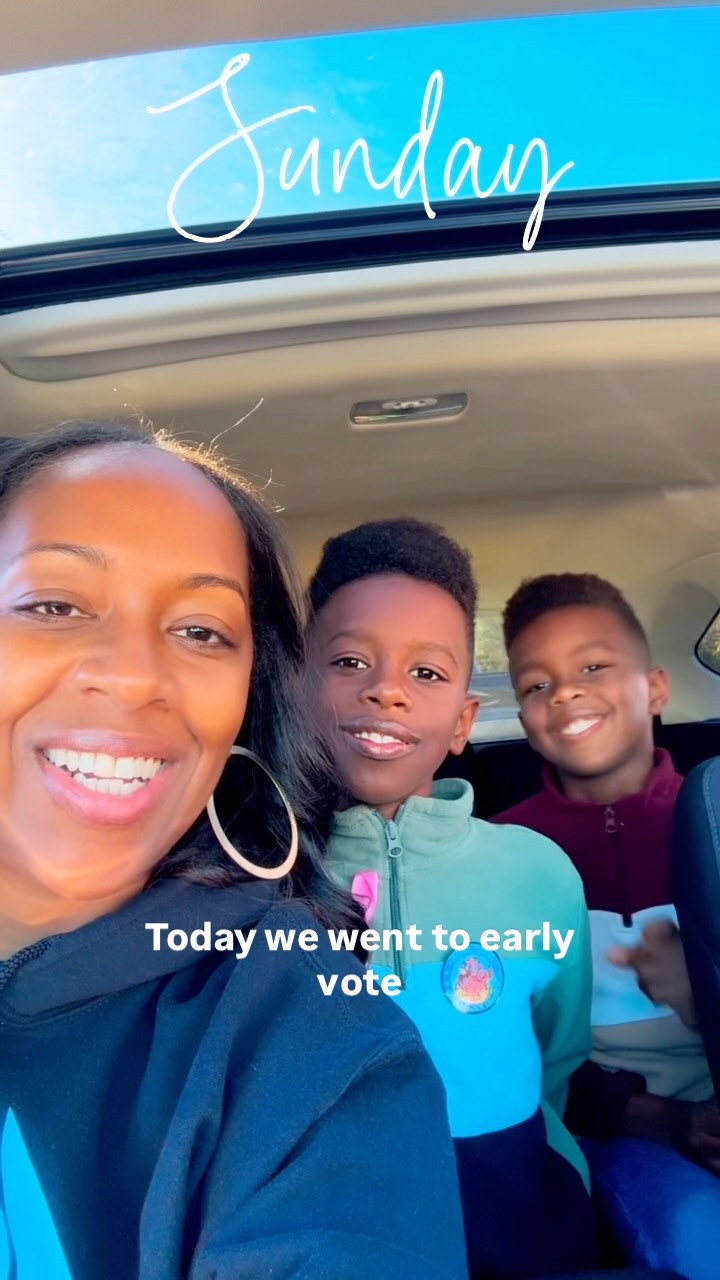
With Election Day approaching, keep the conversation about voting going with family and friends. Our founder, Tansy McNulty, did just that this week by taking her sons with her to vote early and using the experience to highlight the importance of civic engagement:
Carry the work forward
October 22 is one moment in a much longer struggle. The work of preventing police violence, supporting impacted families, and protecting Black mental wellness happens throughout the year.
What will we do with what we know?
Your Sistas Through It All,
The Ladies of 1M4
A new book on crisis response
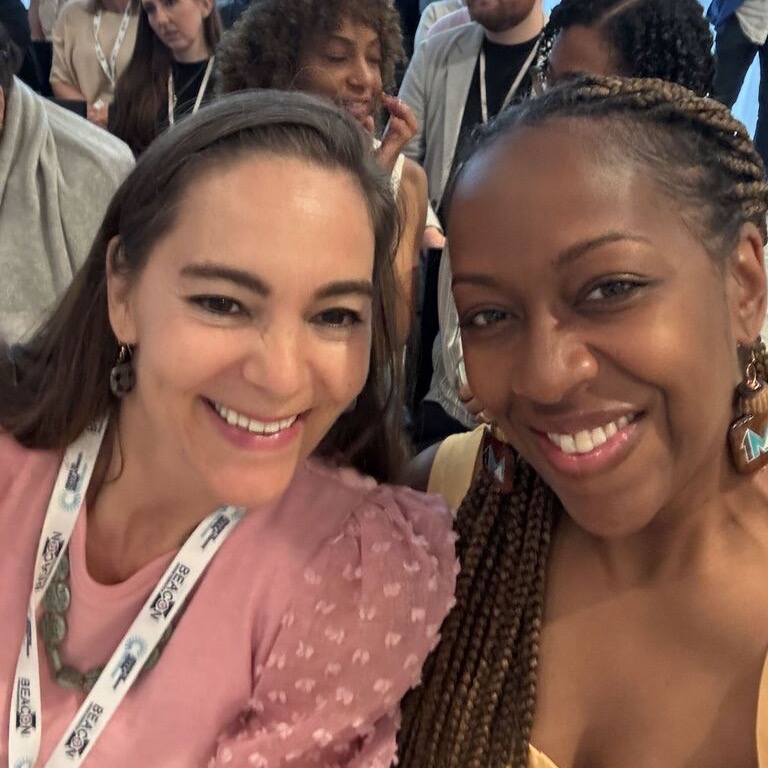
What happens when the system we call for help isn’t designed to meet the crisis in front of us? In 911, What’s Your Emergency? The Promise and Peril of Crisis Response, Dr. Rebecca Neusteter examines the history of America’s 911 system, its racialized roots, and the risks of relying on armed police as the default response to mental health and other emergencies.
Pages 169–170 feature the work of 1M4 and The Right Response as part of a larger conversation about building safer, more equitable approaches to crisis response.
Use code TNP30 for 30% off your order.
Article of the week
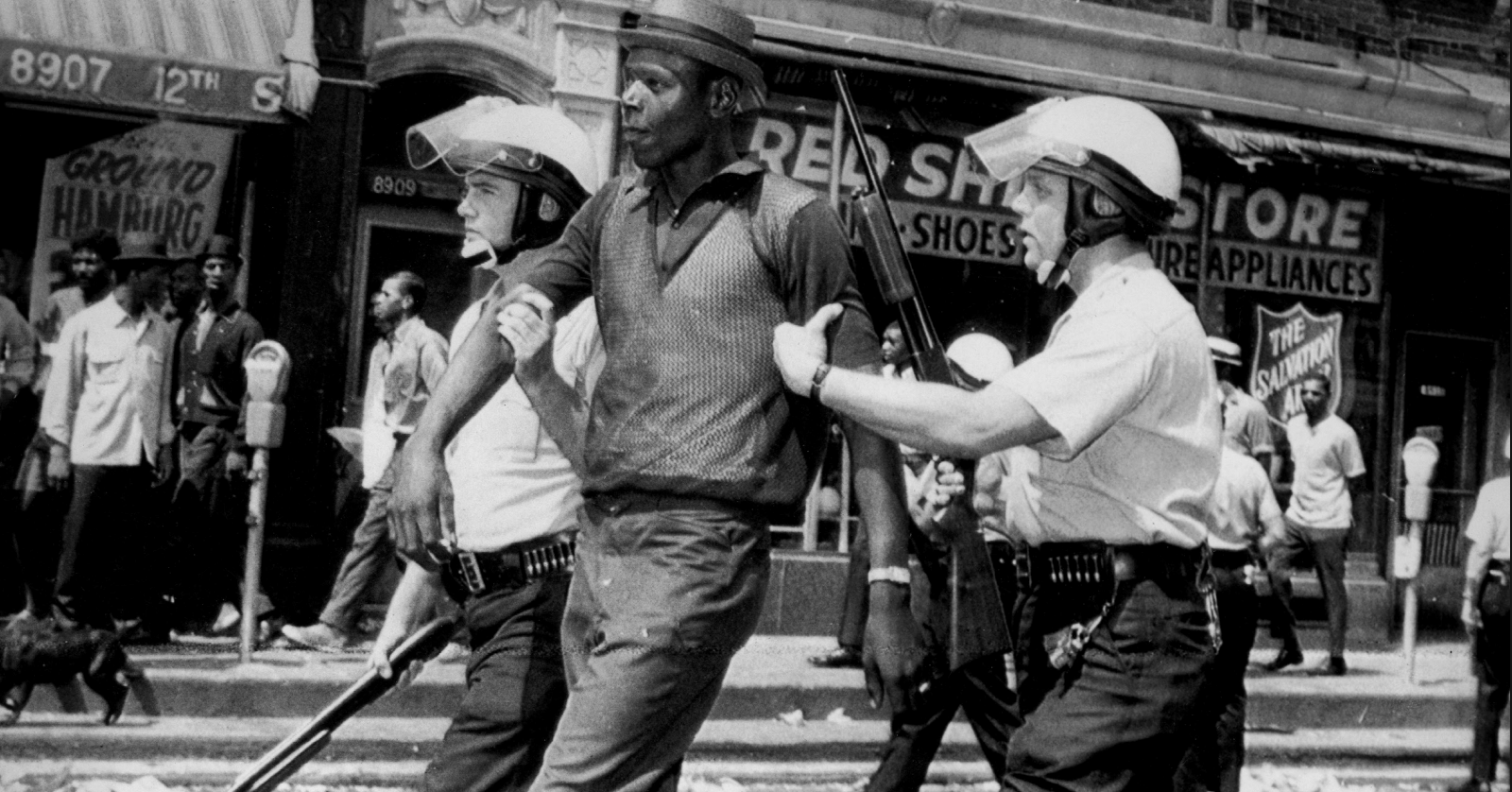
In The Racist Origins of 9-1-1, Katrina Feldkamp and Dr. Rebecca Neusteter explore how 911 emerged amid efforts to suppress Black protest movements in the 1960s. They examine how routing non-emergency calls to police can put Black communities at risk and make the case for alternatives that prioritize care over criminalization.
Mental health tip
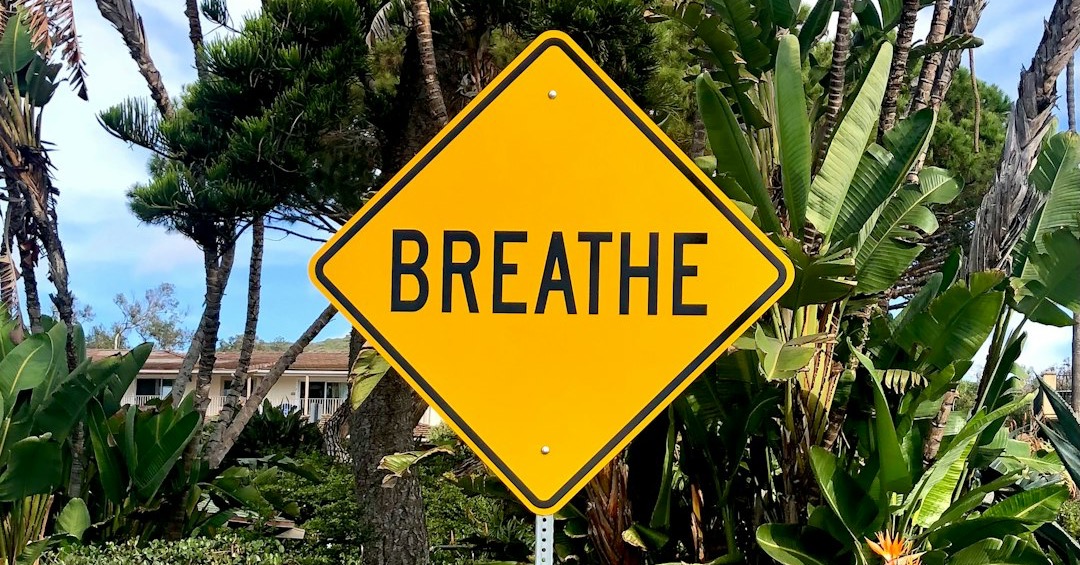
Stress can show up in the body as tension, restlessness, or shallow breathing. Try a gentle somatic exercise called orienting: slowly turn your head and let your eyes move around the room.
Notice five things that feel neutral or comforting, allowing yourself to take in your surroundings without rushing.
This practice can help bring your attention back to the present when you feel overwhelmed. You don’t have to force yourself to relax. Simply give your body a moment to settle.
Voter check-in
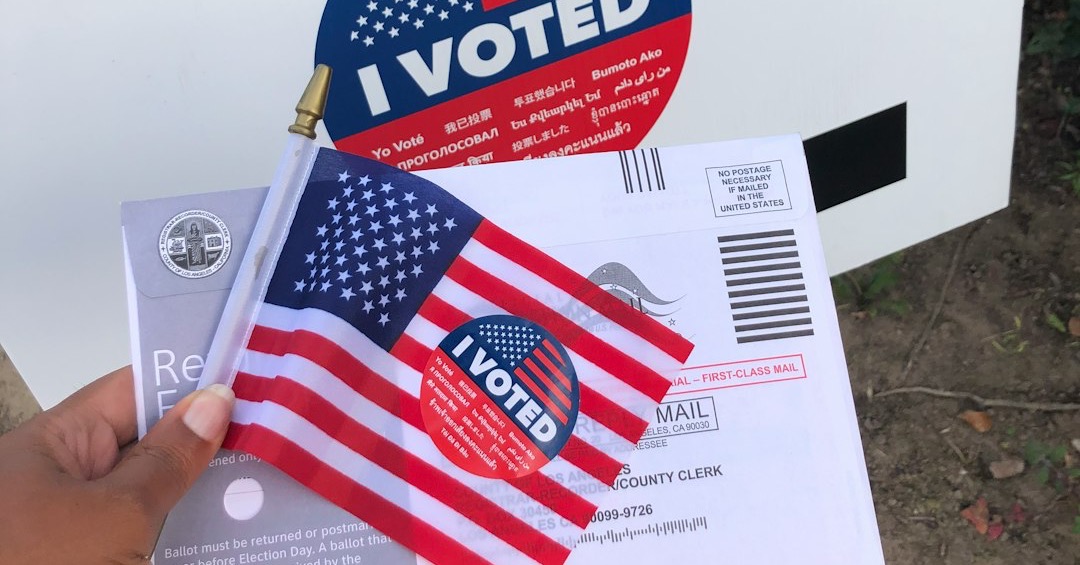
Before Election Day in November, take a few minutes to make sure you’re ready to vote.
-
Check your registration. Make sure your name and address are up to date, especially if you’ve moved recently.
-
Know your options. Look up when and where you can vote, including early voting and mail-in ballot options in your state.
-
Check the requirements. Find out whether you need to bring an ID or other documentation to the polls.
-
Review your ballot. Look over your sample ballot and take some time to learn about the candidates and ballot measures you’ll be voting on.
-
Make a plan. Put your voting date on the calendar and figure out transportation, childcare, work coverage, or anything else you might need ahead of time.
Start with your state or local election office for the most up-to-date information on registration, deadlines, polling locations, and voting requirements.
Upcoming Events & Recaps
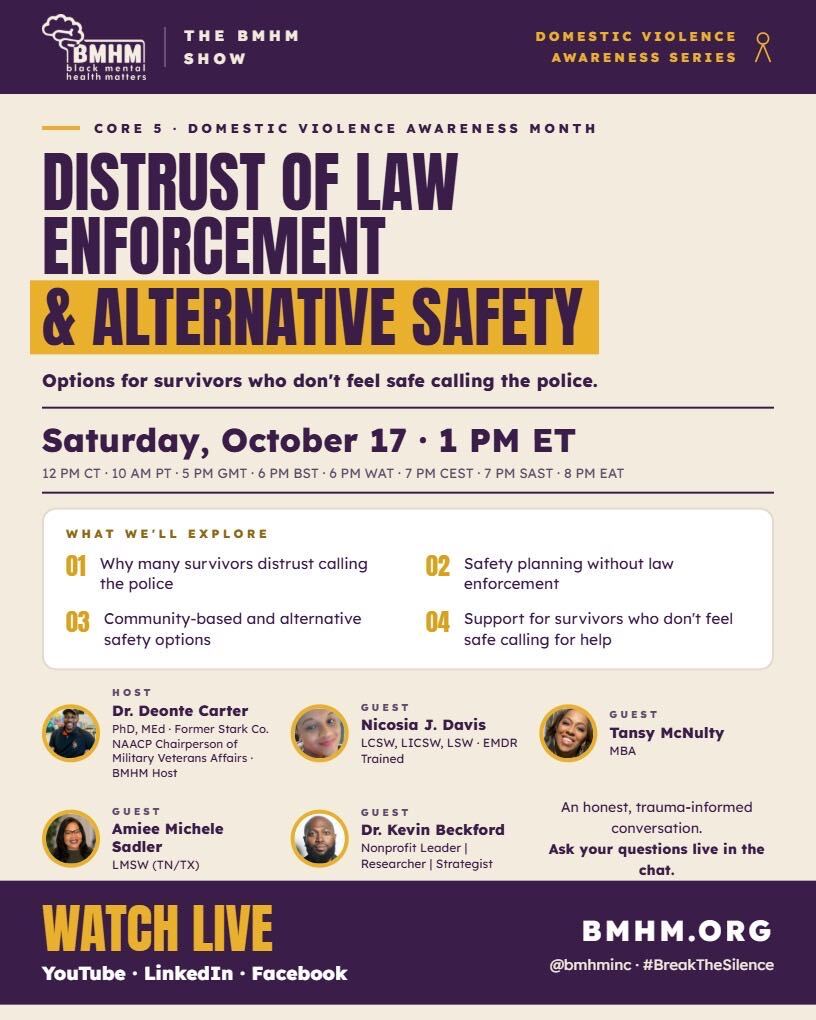
In recognition of Domestic Violence Awareness Month, 1M4 Founder Tansy McNulty recently joined other community leaders for an important conversation about why many domestic violence survivors distrust law enforcement and how this can affect their safety and access to support.

Tansy McNulty recently joined Dr. Rebecca Neusteter for an insightful conversation about Dr. Neusteter’s new book on crisis response.
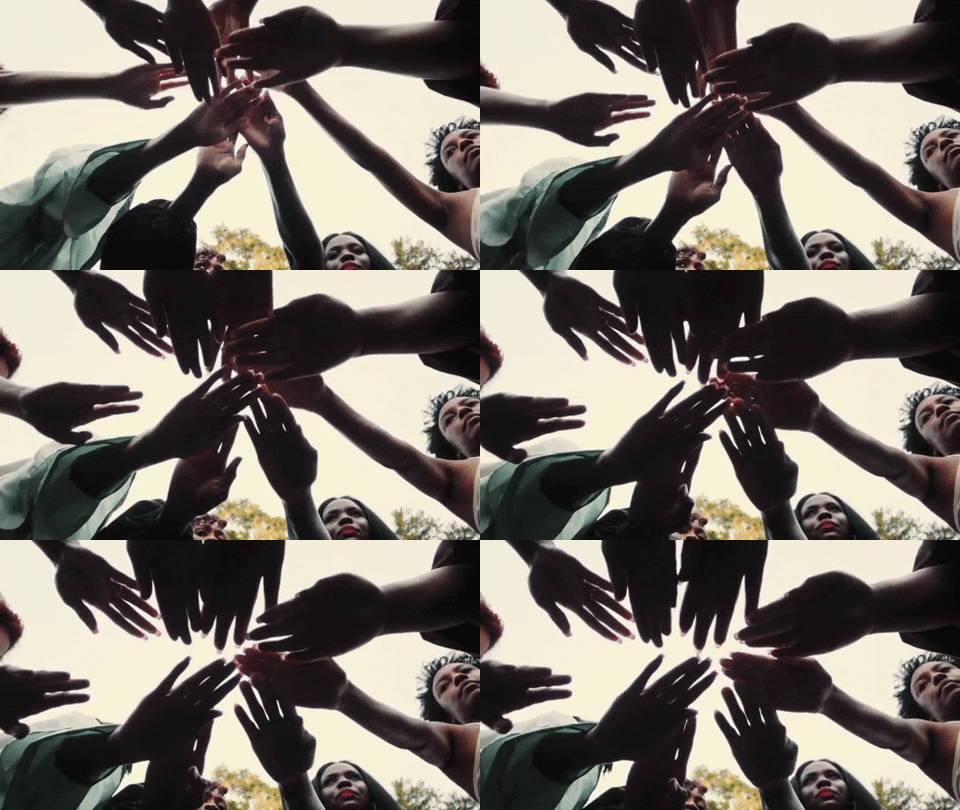
As we focus on bringing our TV series to life, we continue to uplift the work of trusted community partners. On our website, you’ll find upcoming events hosted by these organizations so you can stay connected to the resources, conversations, and support you need.
Cheat Sheet for Recognizing Black Women
This guidance is shared by Dr. Kimber Shelton, whose work continues to center the importance of culturally responsive approaches to mental health and well-being for Black women.
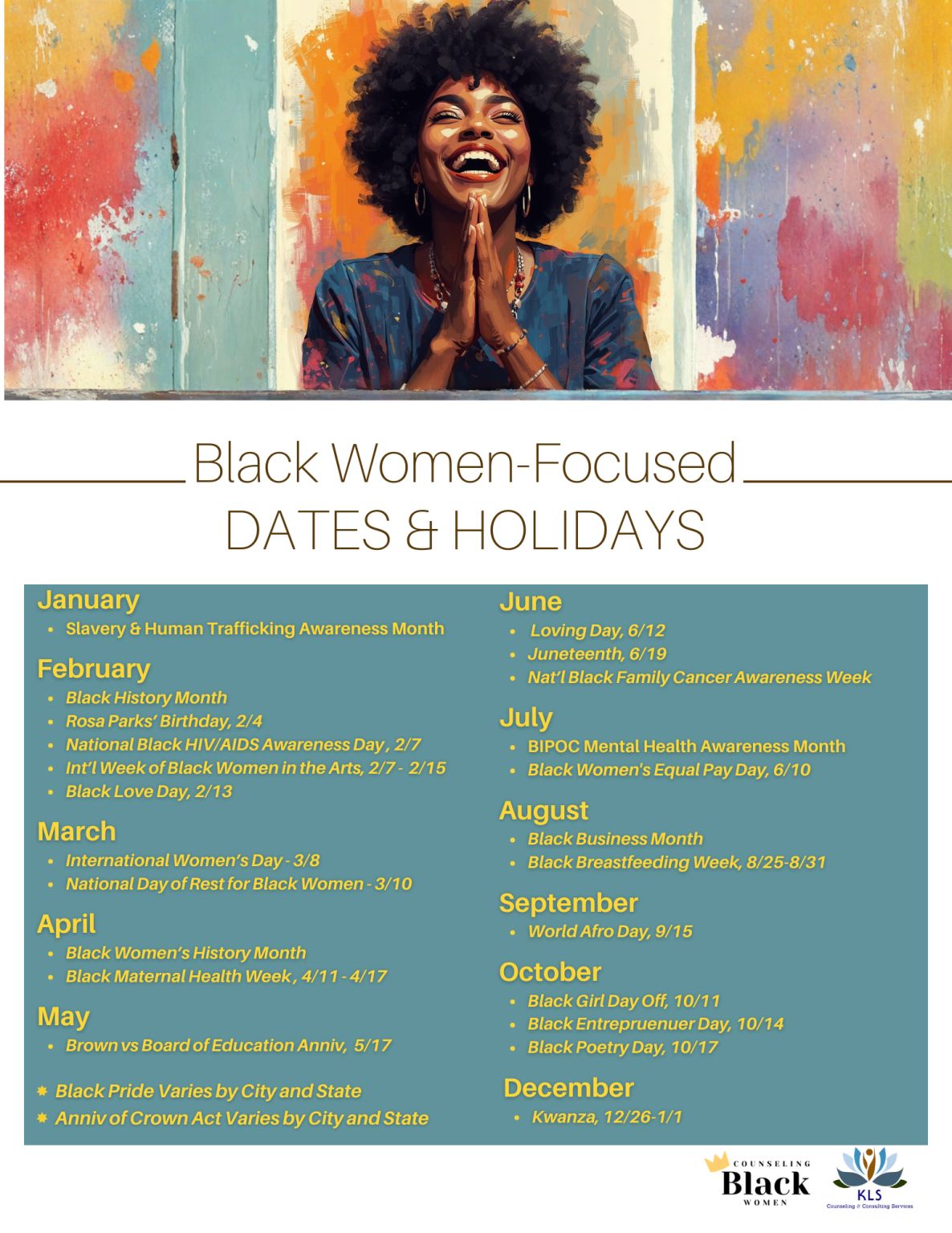
Below is a cheat sheet of awareness events and programs tailored for Black women, offering ways to better recognize, support, and center us throughout the year.