“If they don’t give you a seat at the table, bring a folding chair.” — Shirley Chisholm
The story of wealth in America has never been just about hard work. It has always been about access: who had it, who was denied it, and who built anyway.
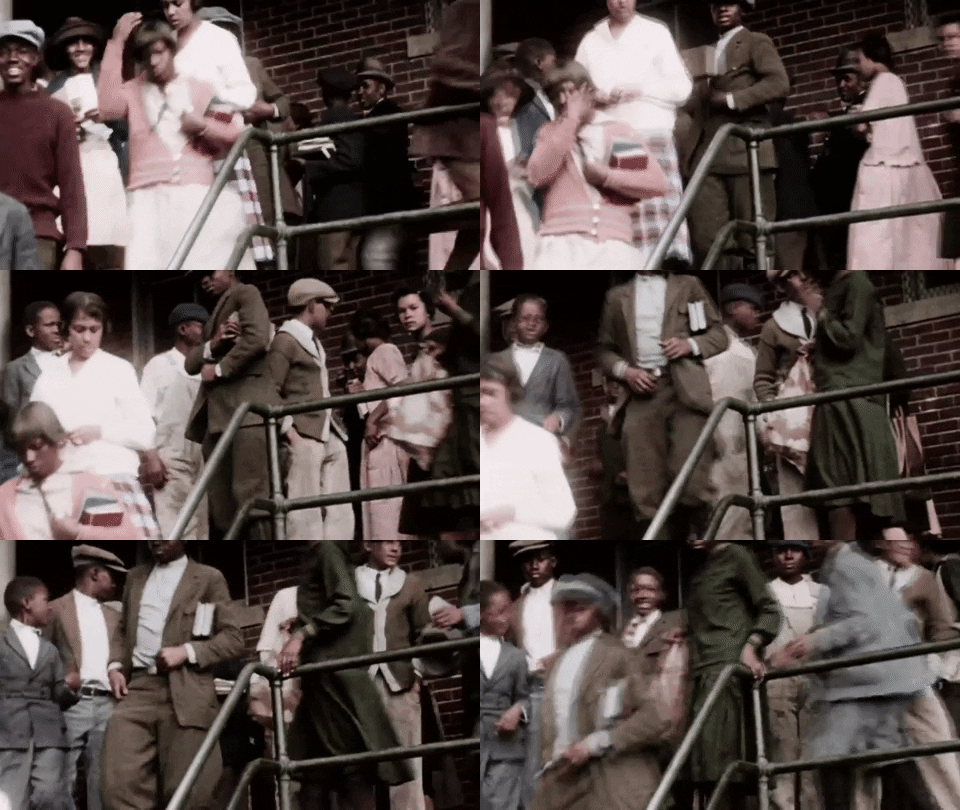
Too often, that story leaves out the Black communities that built extraordinary wealth despite systemic barriers. They transformed farmland into thriving business districts with established banks, newspapers, schools, and hospitals when they were excluded from mainstream institutions. And, ultimately, these same communities became targets, not because they failed, but because they succeeded.
As we enter Black August, Black Philanthropy Month, and Black Business Month, we have an opportunity to remember these stories—not simply to honor the past, but to understand our responsibility in the present.
Before they burned it down, they thrived
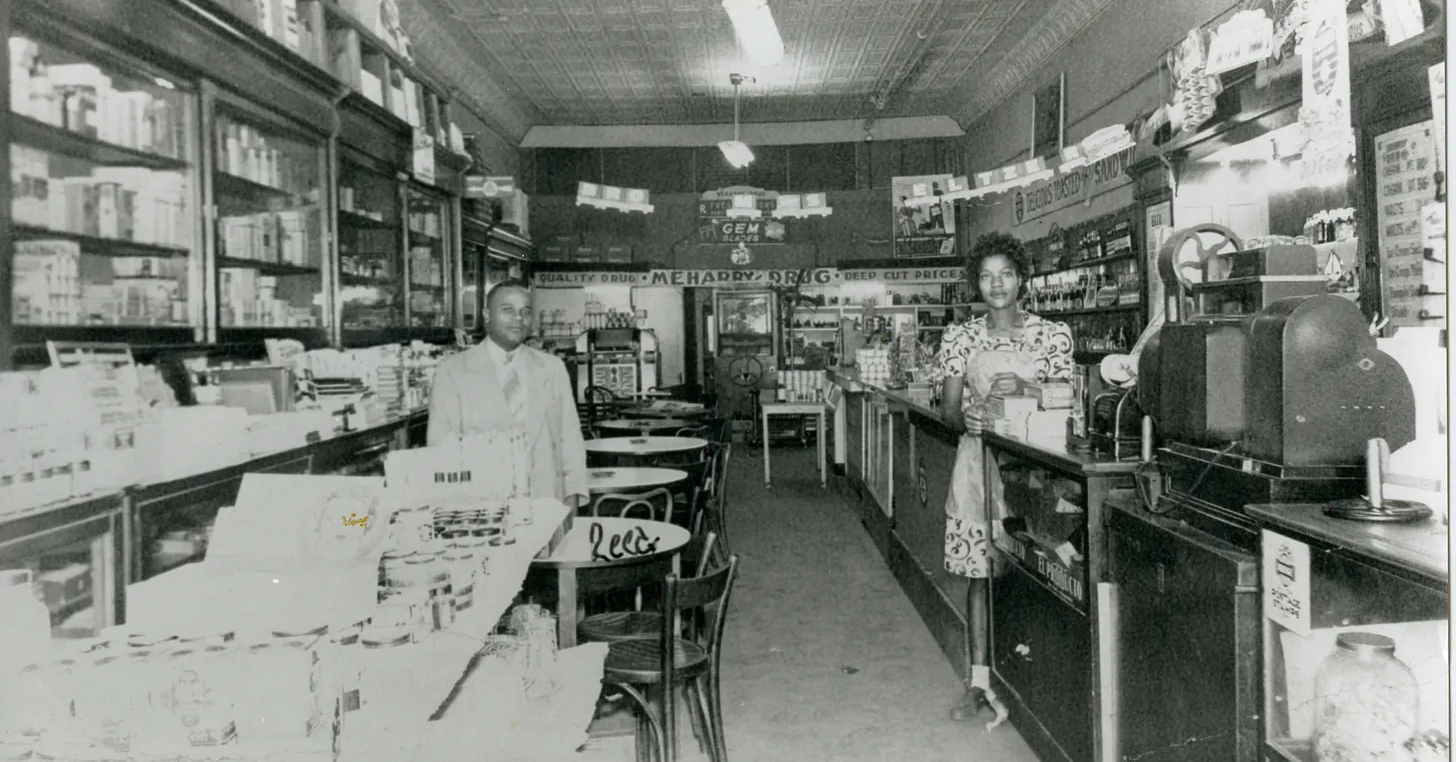
In the spring of 1921, Greenwood was thriving.
Nestled in Tulsa, Oklahoma, the neighborhood buzzed with possibility. Black-owned hotels welcomed travelers. Doctors cared for patients in their own practices. Lawyers argued cases. Barbers, tailors, teachers, pharmacists, restaurateurs, and entrepreneurs built businesses that served a growing community. A Black-owned newspaper kept residents informed. Money circulated from one Black-owned business to another, creating jobs, homeownership, and generational wealth.
People would later call it Black Wall Street.
Then, over the course of less than 48 hours, much of it was destroyed.
On May 31 and June 1, 1921, a white mob ravaged more than 35 city blocks in what is now known as the Tulsa Race Massacre. Hundreds of people were killed, thousands were left homeless, and generations of accumulated wealth vanished almost overnight. Insurance claims were also denied, rebuilding efforts were obstructed, and families lost businesses they had spent decades creating.
Greenwood is often remembered for how it was destroyed. But before it was a tragedy, it was a triumph.
And it wasn’t the only one. Across America, other Black communities were quietly building wealth and investing in one another—even while facing the legacy of slavery, Jim Crow segregation, discriminatory lending, and legalized exclusion.
Rosewood and Seneca Village
Just two years after the destruction of Greenwood, another flourishing Black town came under attack.
In Rosewood, Florida, Black families had built a self-sustaining community complete with churches, businesses, schools, and skilled tradespeople. Residents owned homes and land, creating stability for future generations.
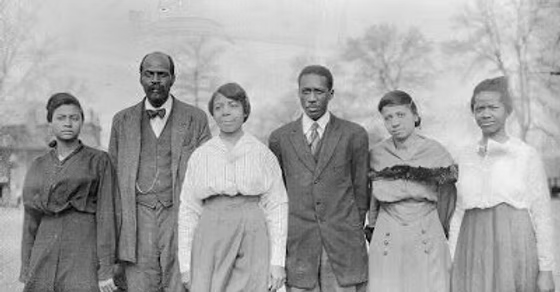
In January 1923, after false accusations against a Black man, white mobs descended on the town. Homes were burned. Businesses were wiped out. Survivors fled into nearby swamps to escape violence, many never returning. An entire community disappeared from the map.
Further north—and nearly a century earlier—another story unfolded, not with fire, but with forced displacement.
In 1825, free Black New Yorkers, alongside the AME Zion Church, purchased land in Manhattan and established Seneca Village in what would eventually become Central Park.
At a time when Black Americans faced pervasive racism despite New York’s emancipation laws, this community became a rare safe haven where families built homes, churches, a school, and a thriving neighborhood. Residents raised livestock, tended gardens, and owned enough property that some Black men met the state’s landownership requirements to vote—making the village not only a symbol of economic independence, but of political empowerment.
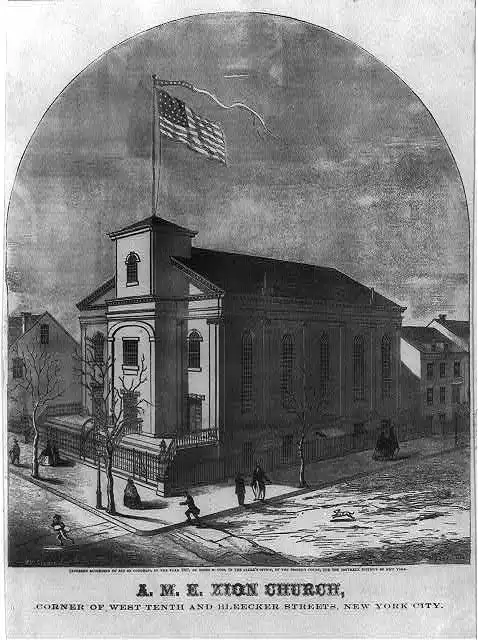
Then, in the 1850s, the city seized the land through eminent domain to create Central Park. More than 200 residents were displaced, and nearly all physical evidence of the community disappeared.
Today, millions of people walk through this area without knowing that a thriving Black neighborhood once stood beneath their feet.
History often remembers how these communities ended. It spends far less time teaching us how they flourished.
August is for us
August is a powerful month in Black history.
Black August honors the freedom fighters, activists, and trailblazers who sacrificed so future generations could build a brighter future. Black Philanthropy Month reminds us that investing in one another has always been central to Black communities. And Black Business Month celebrates the entrepreneurs who continue creating opportunity and generational wealth despite longstanding barriers.
Founded by Dr. Jackie Bouvier Copeland in 2011, Black Philanthropy Month shines a light on this centuries-long tradition of collective generosity. This year’s theme, “Many Voices. One Movement,” reminds us that lasting change has always been powered by communities investing in one another.
Together, these August observances ask us a simple but powerful question: How will we carry this legacy forward?
Now it’s our turn
The people who built Greenwood, Rosewood, Seneca Village, and countless other Black communities left us more than history.
They left us a blueprint. Their legacy lives on every time we support a Black-owned business, mentor a young person, volunteer, or invest in organizations creating lasting change.
That is philanthropy, and it is the same spirit of collective care that guides the work we continue at 1M4.
This August, we invite you to become part of this legacy. Join us for our Sunset Walks on August 15, where communities across the country will gather in support of mental health, healing, and hope.
If you’re able, consider making a donation to support 1M4’s mission. Every contribution helps us expand access to mental health resources, strengthen community connections, and build a future where everyone has the opportunity to thrive.
Looking for another way to make an impact?
Become a fundraiser for 1M4 this August. Visit our Givebutter campaign page, click “Become a Fundraiser,” and share why you support 1M4. In just a few minutes, you’ll receive your own personalized fundraising page to share with friends, family, and your community.
It’s our turn to keep building.💛
Your Sistas Through It All,
The Ladies of 1M4
Post of the Week
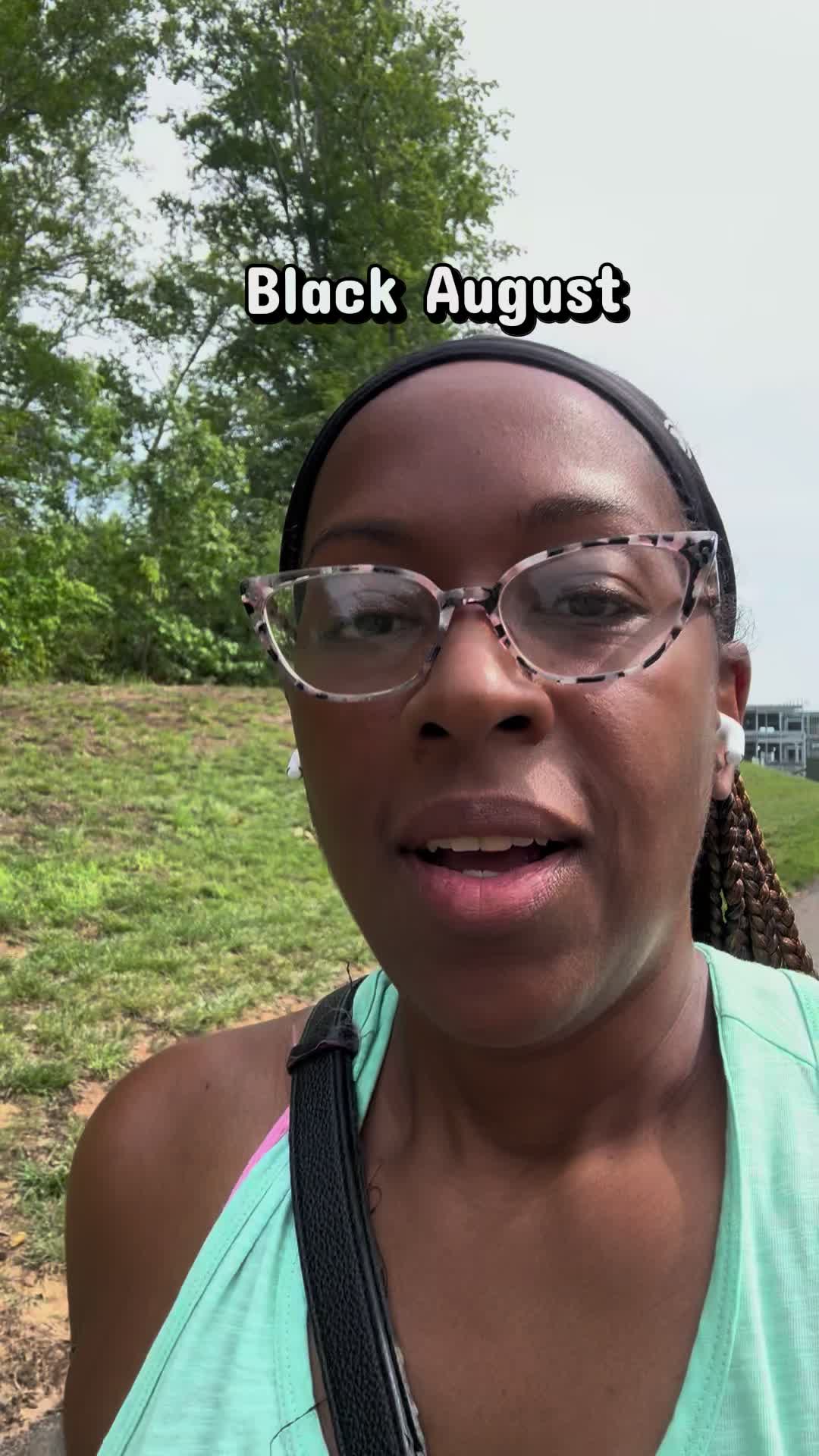
Hear from Tansy on the significance of Black August and how investing in our communities helps carry forward a legacy of resilience and collective care.
A mental health tip for you

In the spirit of financial wellness, this week’s tip is to create a money check-in. Avoiding finances when they feel overwhelming is common, but small, consistent check-ins can help reduce stress, build confidence, and create a healthier relationship with money.
Set aside 10 minutes each week to:
-
Review your spending without judgment.
-
Celebrate your progress, big or small.
-
Choose one next step to keep moving forward.
Small moments of awareness can help replace financial anxiety with a greater sense of control.
Upcoming Events
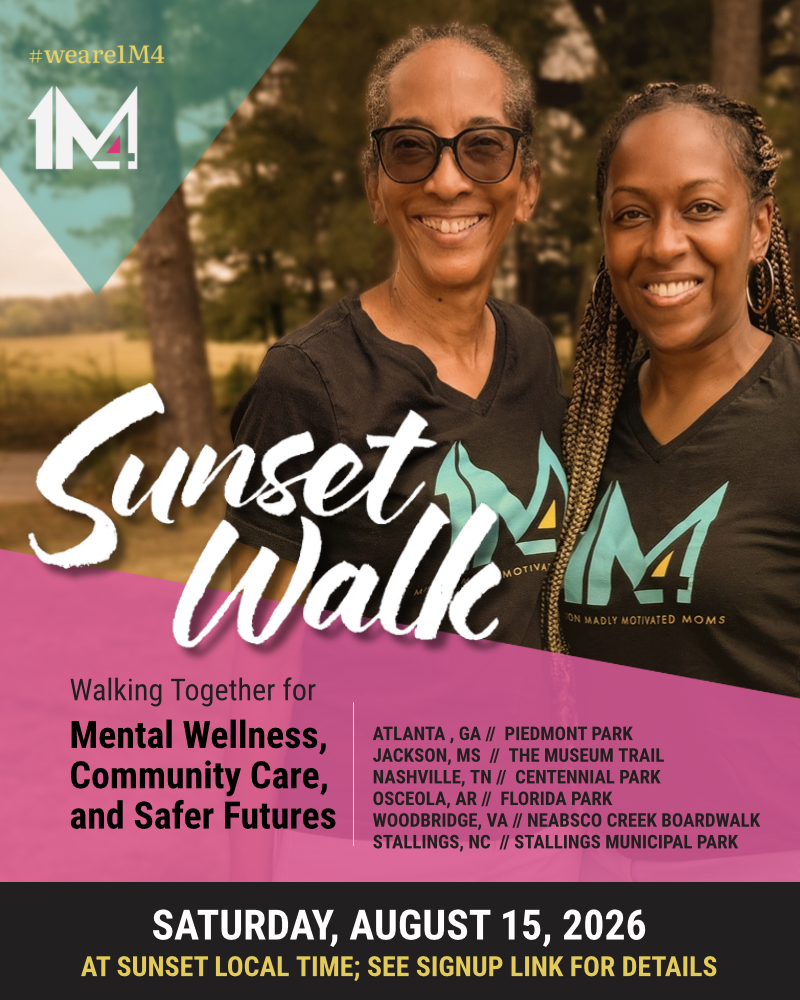
Join us for the inaugural 1M4 Sunset Walk Fundraiser on Saturday, August 15! This will be a nationwide evening of connection, movement, and community in support of mental wellness, community care, and safer futures.
Hosted walks will take place in Atlanta, GA, Jackson, MS, Nashville, TN, Osceola, AR, Stallings, NC, and Woodbridge, VA, with a virtual option available for those walking in their own communities.
Registration is free, and donations are encouraged to support 1M4’s work advancing care-centered crisis response and safer communities.
As we focus on bringing our TV series to life, we continue to uplift the work of trusted community partners. On our website, you’ll find upcoming events hosted by these organizations so you can stay connected to the resources, conversations, and support you need.
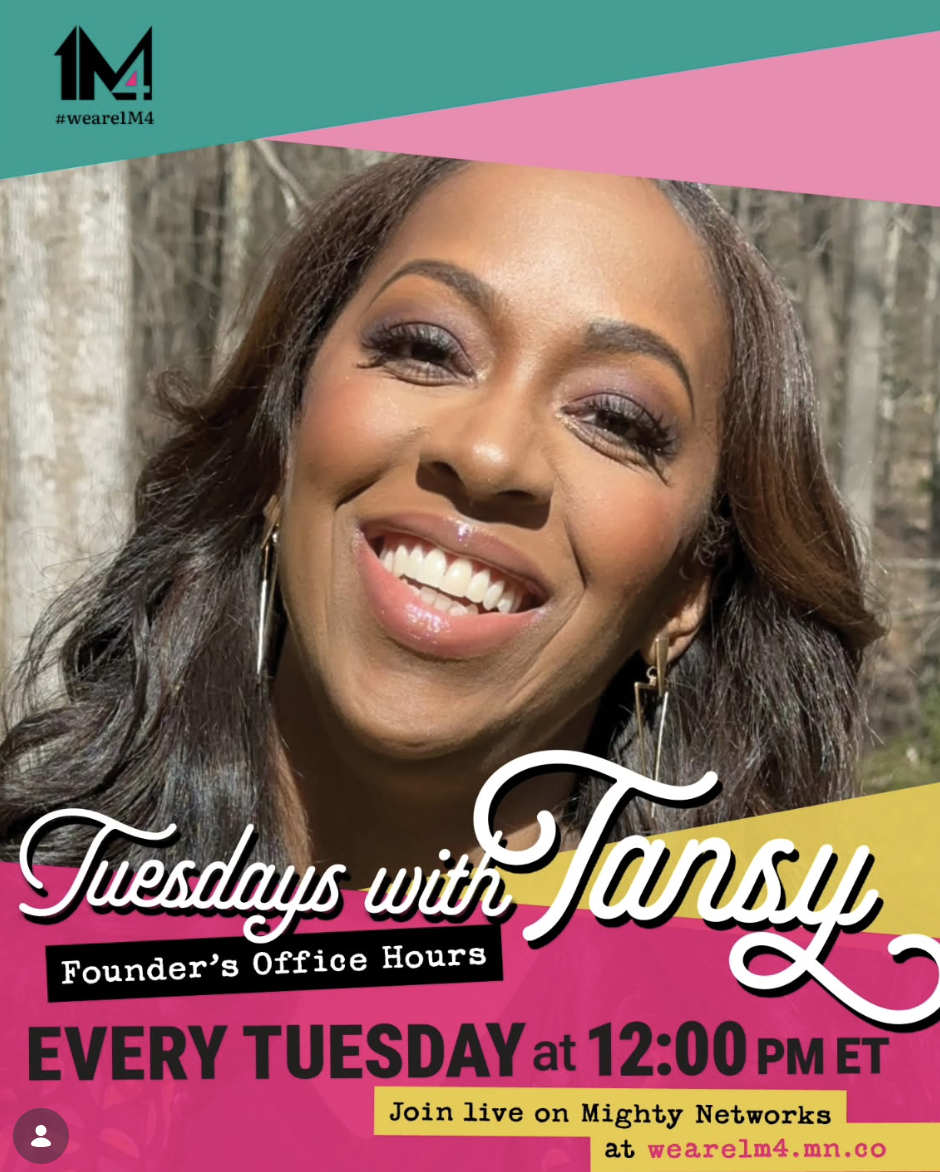
To make sure our community has the tools to stay safe and support each other, our Founder, Tansy, holds weekly office hours to answer questions and walk members through 1M4’s safety resources.
No registration needed. Just join 1M4 via the button below, then hop into our online convos at 12 PM ET every Tuesday.
Got a pressing question? Send an email to info@1m4.org, and we’ll get back to you before the next session.
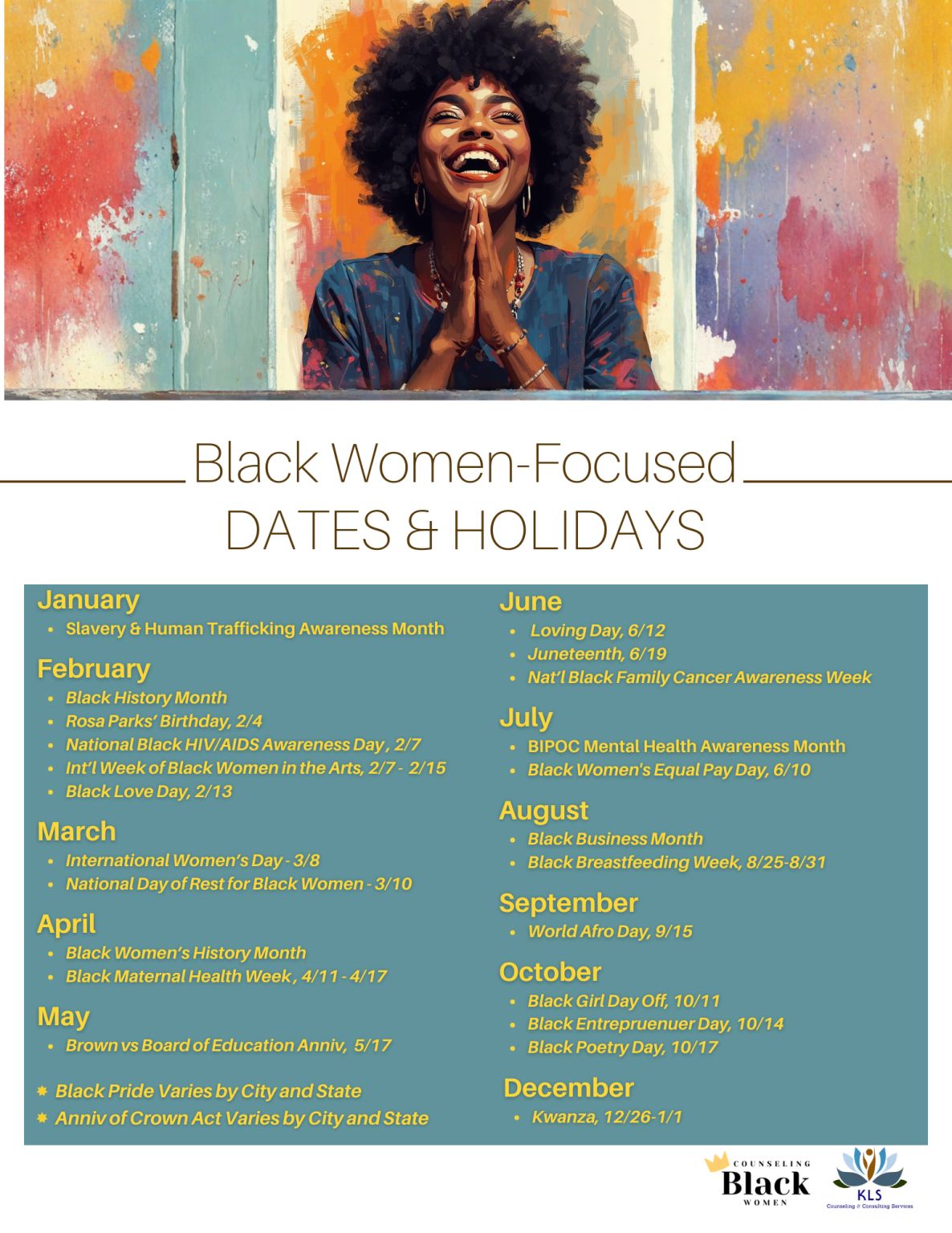
Cheat Sheet for Recognizing Black Women
This guidance is shared by Dr. Kimber Shelton, whose work continues to center the importance of culturally responsive approaches to mental health and well-being for Black women.
Below is a cheat sheet of awareness events and programs tailored for Black women, offering ways to better recognize, support, and center us throughout the year.