
"Patriotism and discrimination reached an ‘accommodation’: there were jobs for all, but some were ‘white’ jobs and some were ‘colored’ jobs.”
— Charity Adams Earley, First Black woman to become an officer in the U.S. Army
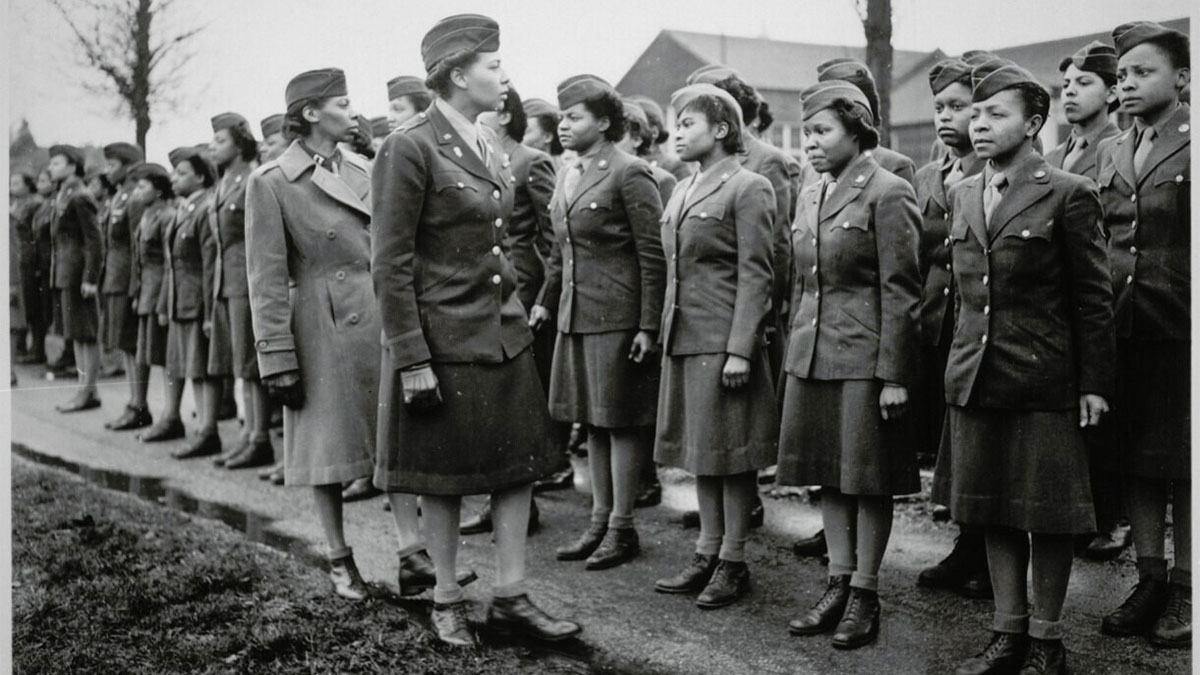
Charity Adams Earley inspecting the troops in 1942. Courtesy of U.S. Army
Memorial Day weekend calls us to remember not only the lives lost in service to this country, but also something deeper.
Black Americans have always served. Even when this country didn’t serve them back. When freedom was partial, and dignity was conditional.
This contradiction shaped generations of Black service members who fought in wars while fighting for basic rights and recognition at home.
From the Revolutionary War onward, Black men, free and enslaved, were part of America’s military story. In the Civil War alone, more than 180,000 Black soldiers served in the Union Army, with nearly 20,000 in the Navy, helping turn the tide of the war and the fate of slavery itself.
Yet we know service didn’t equal equality.
After the war, segregation didn’t disappear. It got worse. Black troops were still pushed into separate units, roles, and expectations. It wasn’t until 1948, with Executive Order 9981, that the U.S. military was officially desegregated.
And still…Black service continued. So did Black leadership.
Black women have always been part of this story too
Too often, the story of military service leaves out Black women, despite their steady, courageous presence in every era of this nation’s history.
During World War II, Charity Adams Earley became the first Black woman commissioned as an officer in the Women’s Army Corps. She later led the 6888th Central Postal Directory Battalion, the only all-Black, all-female unit deployed overseas. Their mission was simple but massive: clear a backlog of millions of undelivered letters in Europe. They did it in record time, under harsh conditions, and with little recognition at the time.
If you’d like to learn more about this battalion and their legacy, check out The Six Triple Eight documentary—available to stream for free on Tubi—as well as the film on Netflix.
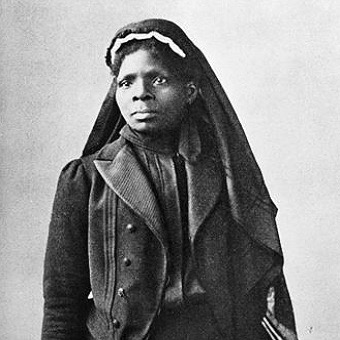
Before her, during the Civil War, Susie King Taylor—born into slavery—became the first Black Army nurse, caring for Black Union soldiers and teaching newly freed people to read and write while living in the field with the regiment she supported.
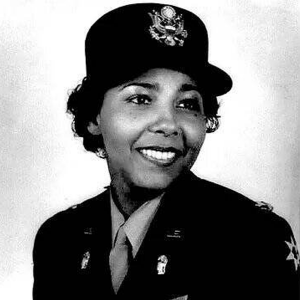
And decades later, Hazel Johnson-Brown broke another barrier as the first Black woman to become a U.S. Army general and Chief of the Army Nurse Corps, reshaping what leadership in military medicine could look like.
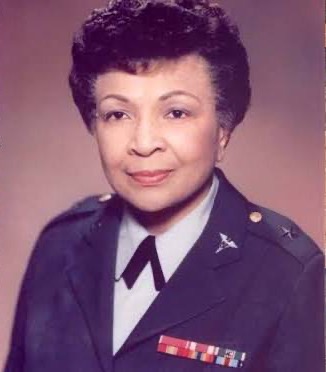
These stories are the foundation of our history.
They show us something this country often forgets to fully reckon with: Black service in America has never been just about patriotism. It has also been about survival, dignity, and the ongoing fight to be seen as fully human.
As we honor Memorial Day, we hold both truths at once: gratitude for sacrifice, and honesty about the conditions under which that sacrifice was made.
We remember the fallen, forgotten, and the ones whose names never made it into the history books.
And now, we have to ask: What does it mean to honor service in a country still learning how to fully honor the people who serve?
Because even now, that story isn’t finished. Black people continue to fight for a country that does not always respect or protect them.
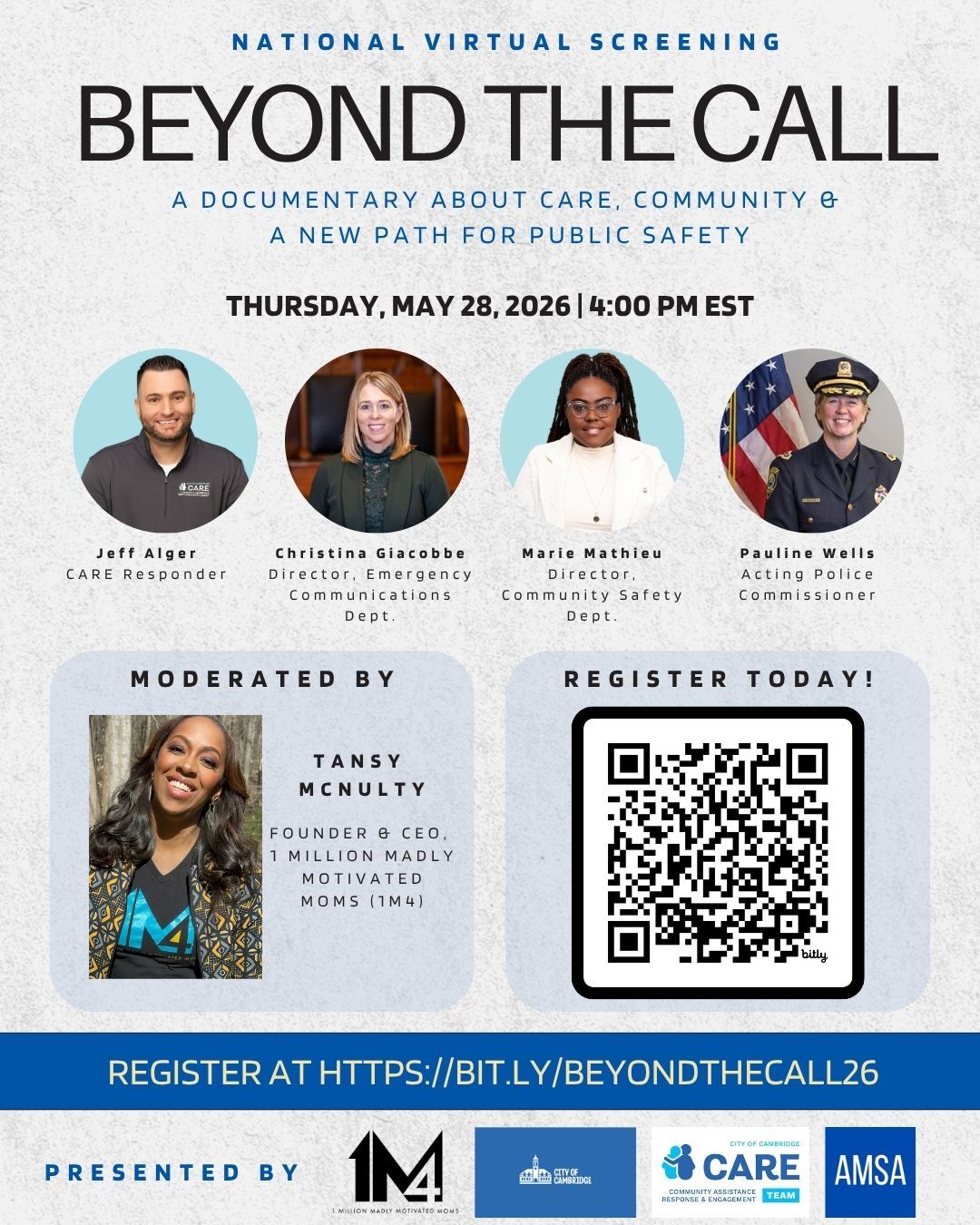
Join us on May 28th at 4PM EST for a national virtual screening of Beyond The Call, a powerful documentary highlighting how the City of Cambridge created and implemented the CARE Team, a community-centered alternative response program designed to support people experiencing mental health and behavioral health crises.
This virtual watch party experience will offer an inside look at the challenges, breakthroughs, and real-life impact of building a public safety model rooted in care instead of criminalization. Following the screening, participants will have the opportunity to engage directly with program leaders and ask questions about what it truly takes to develop this growing “4th branch” of public safety.
Whether you are a community member, advocate, policymaker, crisis responder, or simply curious about alternative response models, this conversation is for you. We hope you can joins us!
Sista Spotlight:
Jasmine Hardin
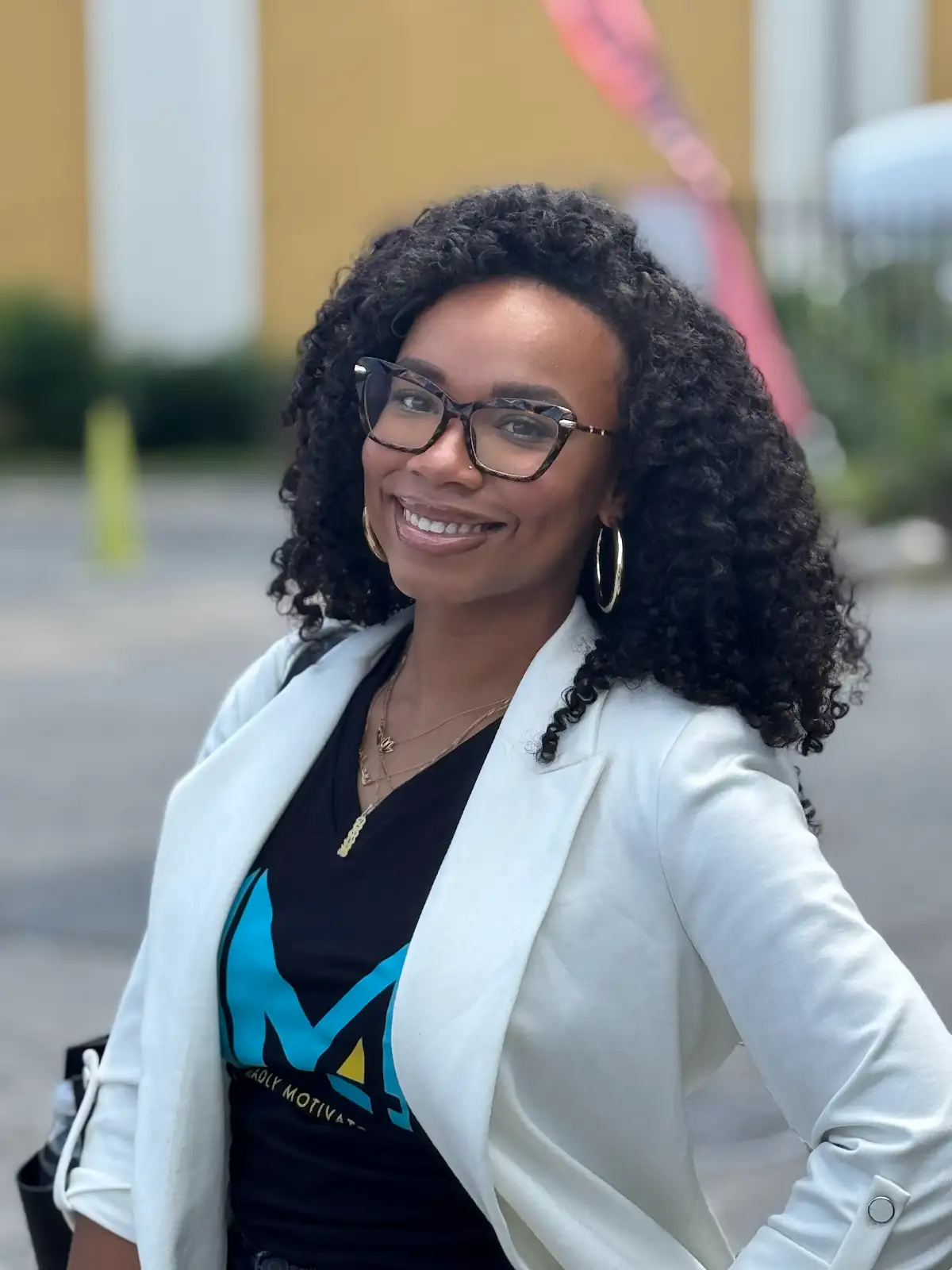
Congratulations to Jasmine Hardin on earning her law degree from the University of Baltimore School of Law! ⚖️🎓
Jasmine, this moment reflects your hard work, dedication, and purpose. Representation in the legal field matters, and having advocates from our communities who understand our experiences is so needed.
We’re proud to celebrate this incredible achievement with you!
A mental health tip for you

Spring reset: step outside for a few minutes.
Place both feet on the ground and feel your weight settle. Take 3 slow breaths, making your exhale longer than your inhale to help your body downshift.
Then calmly notice something in nature—new leaves, sunlight, sky, or any bit of green. Let yourself take it in without overthinking it.
Drop your shoulders, unclench your jaw, and let your body get the message: you don’t have to rush in this moment.
Spread Some Blessings!
The consequences of police violence extend far beyond the loss of life. For families affected, it’s the loss of income, the sacrifice of basic necessities, and the start of a high-cost legal fight. If you have the capacity, consider donating to 1M4. Proceeds help support impacted families and sustain the work of 1M4 toward ending police violence for good.

As we focus on bringing our TV series to life, we continue to uplift the work of trusted community partners. On our website, you’ll find upcoming events hosted by these organizations so you can stay connected to the resources, conversations, and support you need.
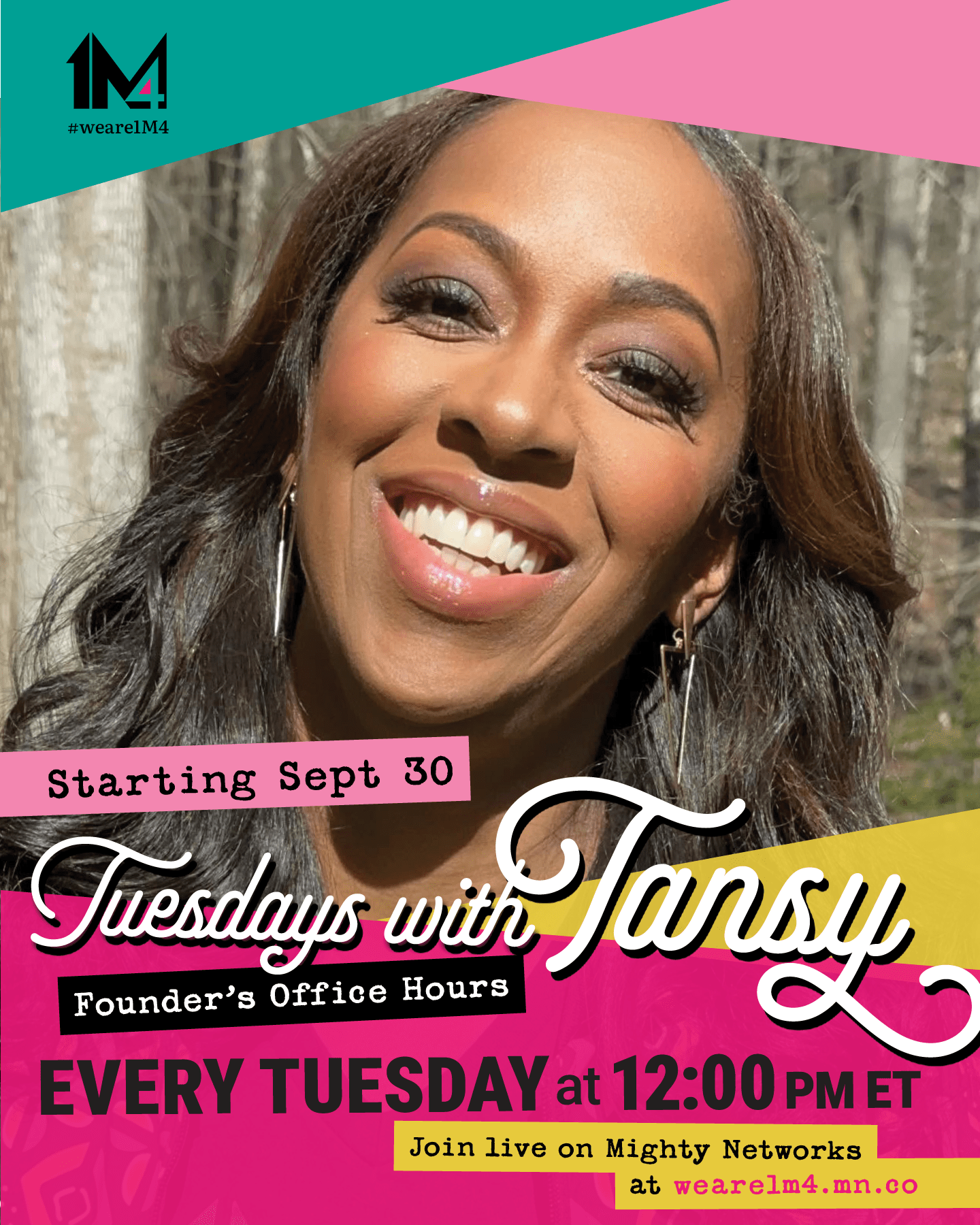
To make sure our community has the tools to stay safe and support each other, our Founder, Tansy, holds weekly office hours to answer questions and walk members through 1M4’s safety resources.
No registration needed. Just join 1M4 via the button below, then hop into our online convos at 12 PM ET every Tuesday.
Got a pressing question? Send an email to info@1m4.org, and we’ll get back to you before the next session.
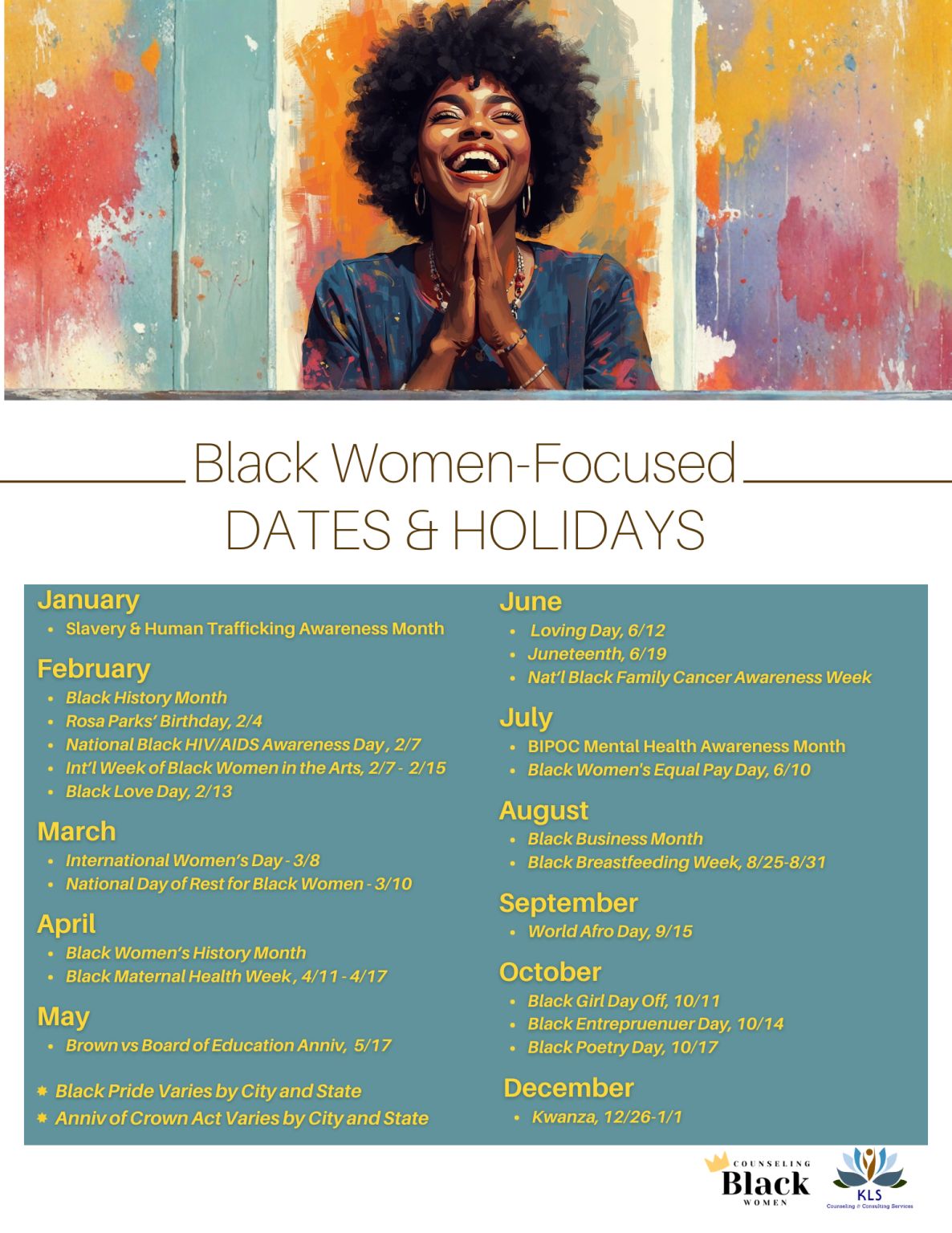
Cheat Sheet for Recognizing Black Women
This guidance is shared by Dr. Kimber Shelton, whose work continues to center the importance of culturally responsive approaches to mental health and well-being for Black women.
Below is a cheat sheet of awareness events and programs tailored for Black women, offering ways to better recognize, support, and center us throughout the year.
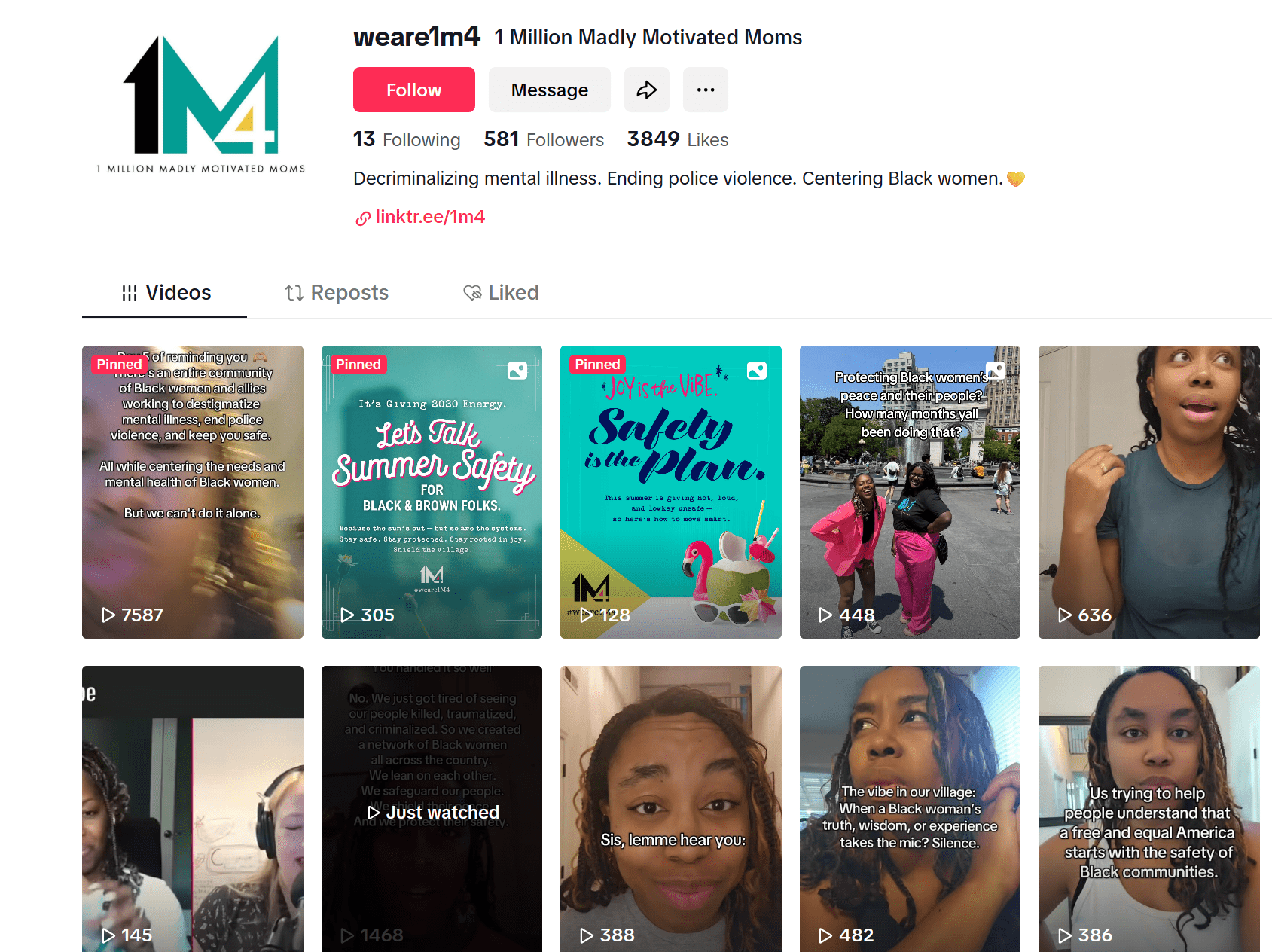
Ok so… we’re on TikTok now! Follow, engage, and rep 1M4 over there. We’re doing our best to reach the people.
Help some Sistas out!


You Got Your 1M4 Merch Yet?
Visit the 1M4 merch store to make sure you’re representing at court support, protests, or in line at your favorite coffee spot. We want to see YOU in your 1M4 gear. Every purchase goes directly to funding the work of 1M4 increasing access to safety and wellness.