“You deserve care without earning it, rest without guilt, and healing without apology.” — Amanda Fludd, LCSW-R
September, we find ourselves here again….

Summer is still hanging on, but you can feel the shift. Before we rush into the next season, maybe we should check in with ourselves.
How are you, really?
Not the “I’m good” you give because someone asked in passing. Not the answer that keeps the conversation moving. We mean the kind of check-in that makes room for the things you haven’t had words for yet.
Because sometimes, Sis, we are carrying more than anyone knows.
For Black women, especially, there can be an entire language of pain that we learn not to speak. We become good at functioning. We go to work, answer the phone, or make that appointment. We show up looking like everything is fine.
And sometimes, we aren’t fine.
That’s why this September, we’re talking about prevention.
September is National Suicide Prevention Month, Self-Care Awareness Month, and National Recovery Month. Three observances, but one important reminder: we deserve care before we reach a breaking point.
Suicide prevention isn’t only about what happens during a crisis. The CDC emphasizes that prevention begins before someone is experiencing suicidal thoughts, through connection, support, healthy environments, and recognizing when someone may be struggling.
And the numbers remind us why these conversations matter.
In 2024, the CDC reported that more than 48,000 people in the United States died by suicide. Millions more seriously considered suicide, made a plan, or attempted suicide. Among Black Americans, the age-adjusted suicide rate was 9.1 deaths per 100,000 people in 2023.
But statistics can never tell the whole story. They can, however, help us see where our communities need more care.
A closer look at Black mental health:
-
25.2%: Increase in the suicide rate among Black people from 2018 to 2023.
-
According to the Office of Minority Health:
-
13.4% vs. 7.4%: Percentage of Black female vs. male high school students who reported attempting suicide in 2023.
-
15.6 vs. 4.8: Suicide deaths per 100,000 among Black boys vs. girls ages 15–19.
-
36% less likely: Black adults were less likely than U.S. adults overall to have received mental health treatment in 2024.
-
The numbers tell us something important: Black girls and young women are experiencing suicide attempts at higher rates, while Black boys and young men are dying by suicide at substantially higher rates.
And across our communities, too many people who are struggling aren’t getting the care they need.
Behind every statistic is someone’s daughter, son, mother, brother, or friend—someone who is loved, whose life matters, and who may be carrying something we can’t see. Maybe it’s the mother who keeps everyone else together while quietly falling apart herself. The young Black man who has been taught that vulnerability is weakness. The person who stays silent because they don’t want to worry the people they love.
No one should have to lose someone they love this way, and that’s why we have to keep talking.
We encourage you to watch our 2023 Sista Check-In on Black Women & Suicide, a conversation that explores the realities of mental health and suicide among high-functioning Black women while also looking at suicide prevention among young Black men. These conversations remind us that there is no single face of struggle, and no one-size-fits-all approach to prevention.
We can’t prevent what we refuse to talk about. And prevention also means asking what happens when someone does reach a crisis point.
For too many Black families, calling for help during a mental health emergency can come with a frightening question: Who is going to show up?
A person experiencing a mental health crisis needs care. That should not automatically mean a police response.
1M4 created The Right Response because we believe there should be alternatives. This free, national resource connects people with community-based crisis services designed to provide support without defaulting to traditional law enforcement intervention.
Because a mental health emergency should not become a doorway to another kind of harm.
And this is where the conversation about suicide intersects with something else our community has been confronting recently.
In recent months, several cases involving Black people found hanging have raised questions and renewed calls for transparency and thorough investigation. In Mississippi, for example, Tasia Fortune, a 29-year-old Black mother of four, was found hanging outside an abandoned home in August. Her death remains under investigation, and officials have not determined whether it was suicide or foul play. Her case followed two other recent hanging deaths in the state, including the death of Black college student Trey Reed, which was ruled a suicide.
We’re holding these families and communities in our thoughts and prayers as they grieve and seek answers.
When Black deaths are too quickly dismissed or investigated without the urgency they deserve, that can become another form of police and institutional violence. The circumstances surrounding a death like this cannot be separated from history. In the South especially, the image of a Black person found hanging carries the weight of a long and brutal history of lynching. A history that is not so distant that we can simply dismiss those fears.
But that doesn’t mean assuming an answer before the facts are known. It means asking questions, following the evidence, and demanding the same care and rigor in every investigation. Every family deserves transparency when the circumstances surrounding a loved one’s death leave them searching for answers.
Maybe that’s what September is really asking of us: to pay attention. Notice when a friend or loved one has gone quiet. Give yourself permission to rest before your body forces you to. Seek support before everything falls apart.
And if you’re recovering from something right now, remember this: recovery isn’t proof that you were broken. It’s proof that healing is possible. National Recovery Month exists to recognize that recovery from mental health and substance use challenges is real, ongoing, and worthy of support.
So as summer fades, don’t let September become another month where you simply push through. Let it be a check-in with yourself, people, and the parts of you that you’ve been asking to be heard.
Whatever this season holds, remember that you matter, your presence matters, and you deserve to be here.💛
Your Sistas Through It All,
The Ladies of 1M4
A mental health tip for you
You don’t have to wait until you’re overwhelmed to care for yourself. Check in with yourself regularly, and give yourself permission to ask for support when you need it.
Explore our 1M4 Black Mental Wellness Resource Guide for trusted tools and support resources to help you care for your mental well-being.
Upcoming Events
National Voter Registration Day

September 15 is National Voter Registration Day! Are you ready to cast your ballot?
Take a few minutes to check your voter registration and make sure your information is up to date. If you’ve moved, changed your name, or simply haven’t checked your status in a while, now is a good time to make sure everything is in order. You can also confirm your polling location and learn about your options for voting early, by mail, or in person. Voter registration deadlines vary by state, so checking your status now can help you head into November prepared and ready to vote.
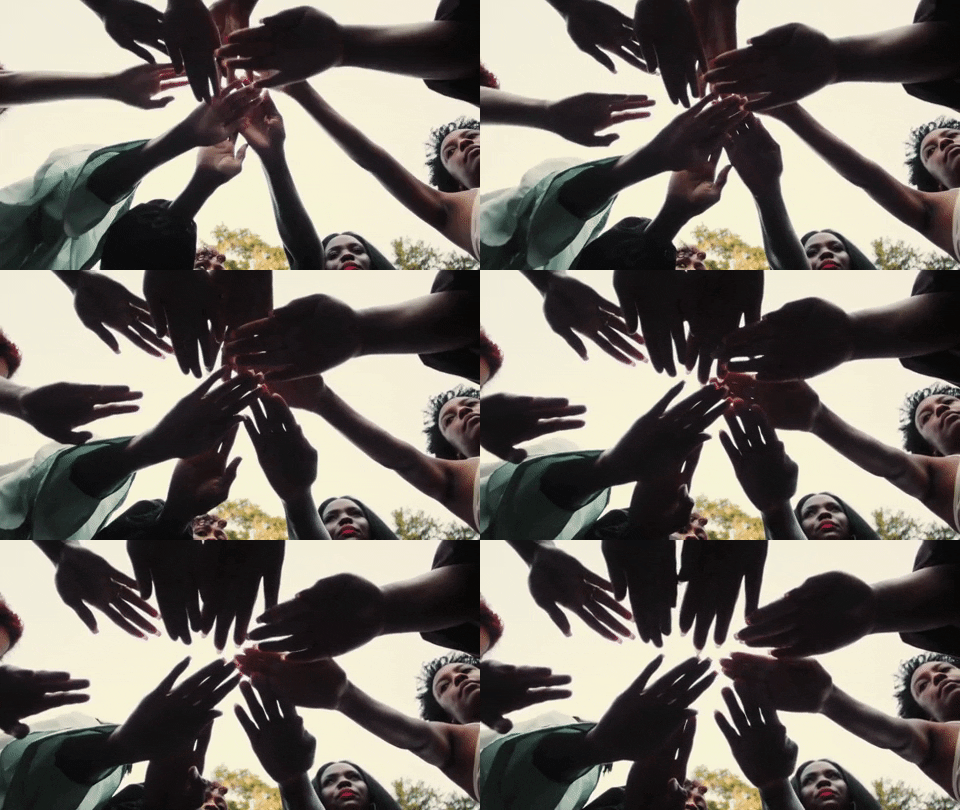
As we focus on bringing our TV series to life, we continue to uplift the work of trusted community partners. On our website, you’ll find upcoming events hosted by these organizations so you can stay connected to the resources, conversations, and support you need.
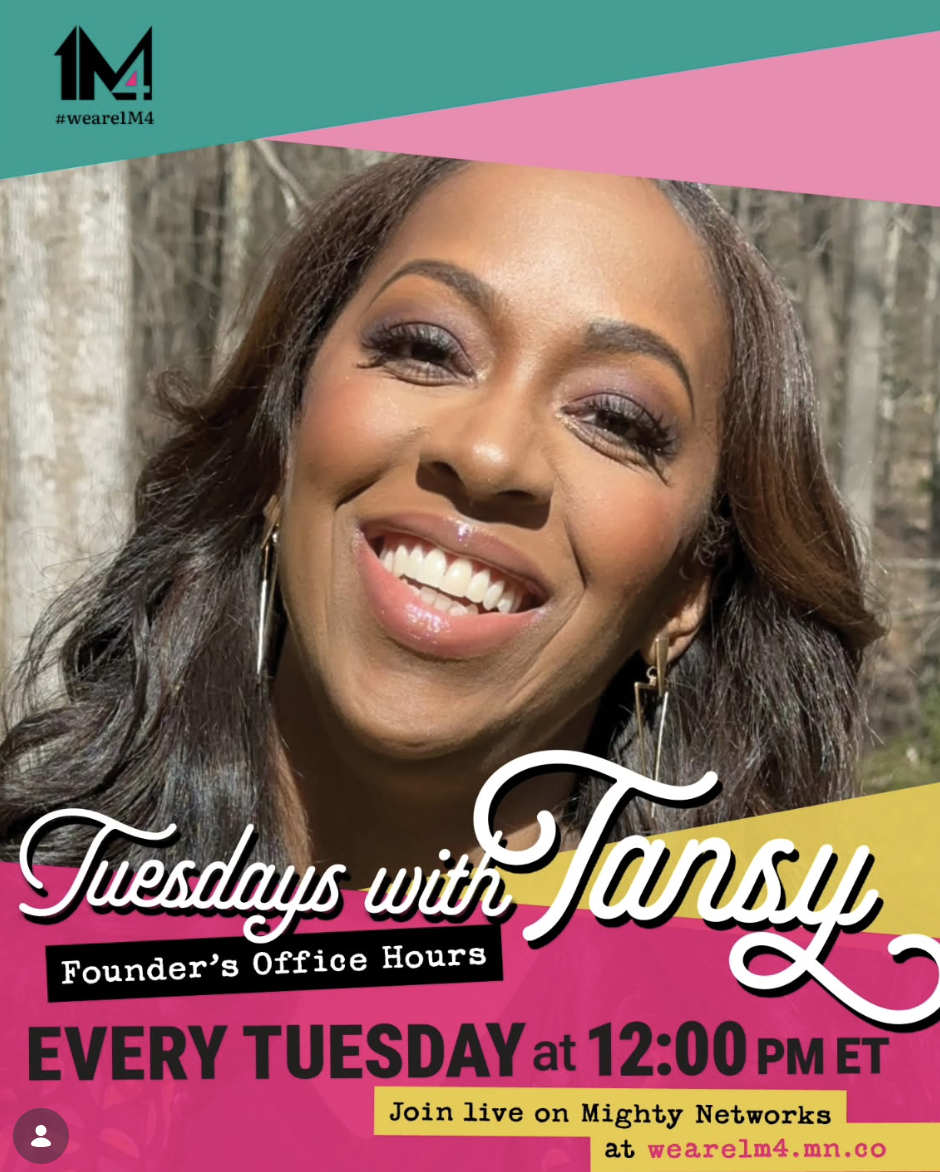
To make sure our community has the tools to stay safe and support each other, our Founder, Tansy, holds weekly office hours to answer questions and walk members through 1M4’s safety resources.
No registration needed. Just join 1M4 via the button below, then hop into our online convos at 12 PM ET every Tuesday.
Got a pressing question? Send an email to info@1m4.org, and we’ll get back to you before the next session.
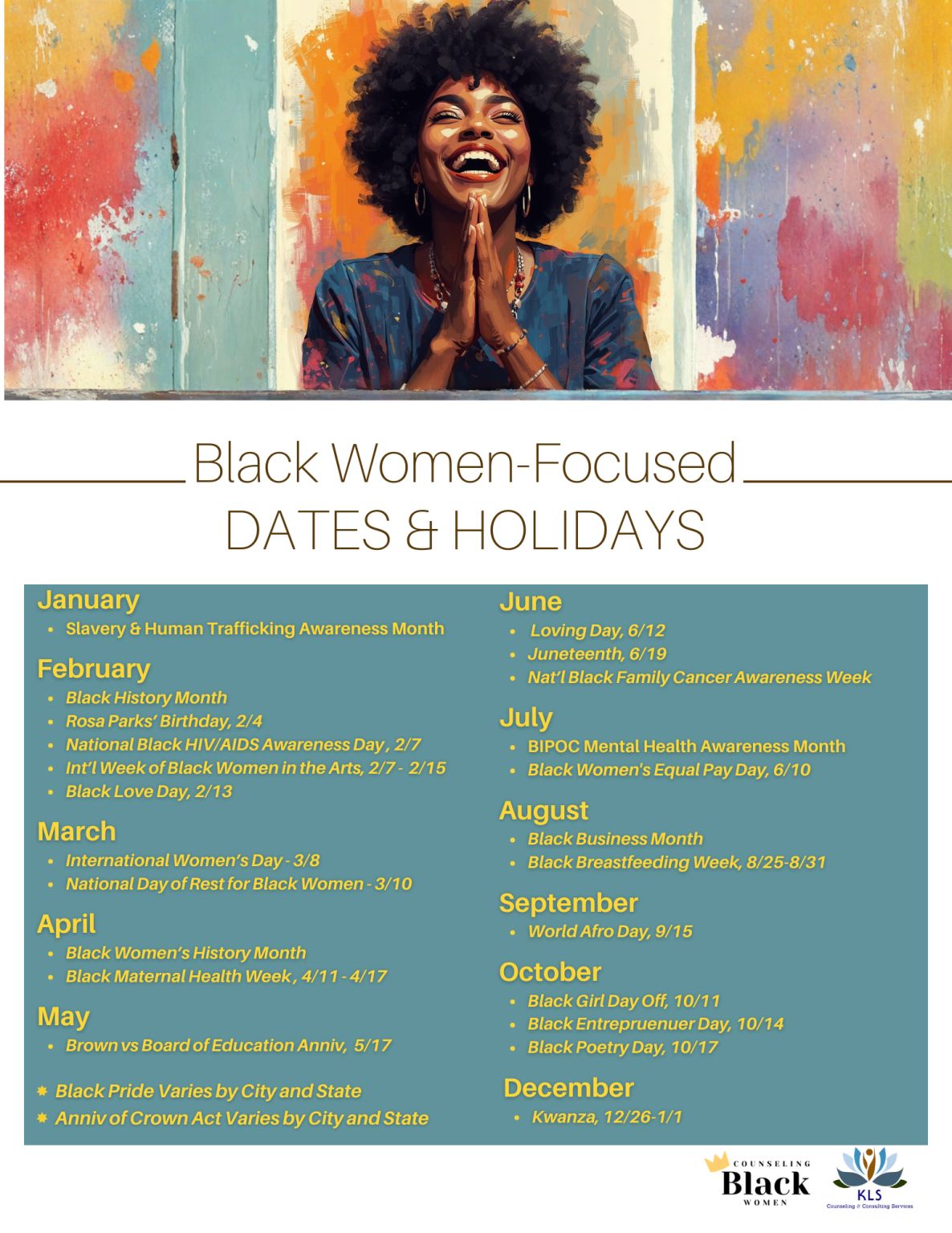
Cheat Sheet for Recognizing Black Women
This guidance is shared by Dr. Kimber Shelton, whose work continues to center the importance of culturally responsive approaches to mental health and well-being for Black women.
Below is a cheat sheet of awareness events and programs tailored for Black women, offering ways to better recognize, support, and center us throughout the year.