“Racism is still with us. But it is up to us to prepare our children for what they have to meet, and, hopefully, we shall overcome.” — Rosa Parks
Many of us have seen this disturbing image that has circulated over the past couple of weeks.
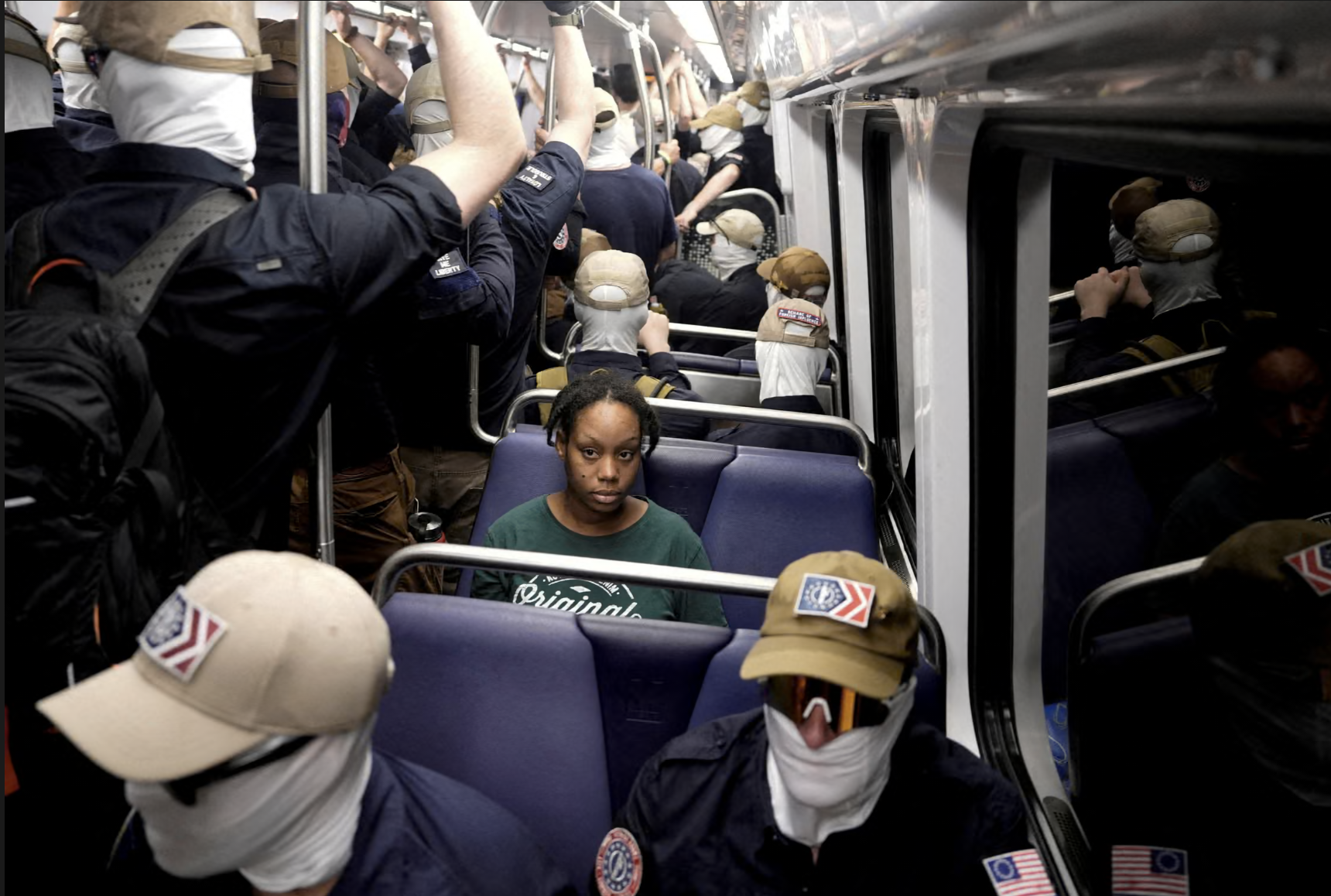
A Black woman riding a Washington, D.C., Metro train, surrounded by masked members of a white nationalist group during their July 4th weekend march through the nation’s capital.
It’s a photo that stopped many of us in our tracks. Not simply because of what it captured but what it represented. For many Black Americans, the image called to mind a long history of racial intimidation in public spaces, raising questions no one should have to ask: Am I safe? Do I belong here? What if that had been me or someone I love?
The timing of all this makes it even more difficult to process. It arrives amid ongoing concerns about community violence, the safety of our children, and a steady stream of news that can leave many of us feeling scared, anxious, overwhelmed, and emotionally exhausted.
It also reinforced a sense of hypervigilance and a feeling that safety can never be taken for granted.
The moment was part of a larger demonstration that unfolded when hundreds of masked members of Patriot Front marched through D.C., carrying Confederate flags and chanting “Reclaim America.” While the demonstration itself has ended, this image remains a powerful reminder that hate is not confined to history books.
It can still appear in the ordinary places where we live our daily lives: on public transportation, in our neighborhoods, and in the communities we call home.
Research has consistently shown that repeated exposure to violence, discrimination, and hateful rhetoric, whether experienced firsthand or witnessed through the news and social media, can have real consequences for our mental health. It can increase stress, anxiety, and feelings of helplessness.
These events may also awaken the emotional weight of racial and historical trauma, influencing how we perceive safety and belonging in the present.
We know that mental health doesn’t exist in a vacuum. Our emotional well-being is deeply connected to the world around us. When public displays of hate become more visible, conversations about community safety must also include conversations about emotional safety, healing, and resilience.
That is especially true for our children.
Even if they don’t fully understand the headlines, children notice when adults are worried. They hear conversations. They see images on television and social media. They pick up on the uncertainty and tension long before they have the words to describe what they’re feeling.
As parents, caregivers, mentors, and trusted adults, we have an opportunity to help young people process these experiences with honesty, reassurance, and hope. That doesn’t mean pretending difficult things aren’t happening. It means reminding them that they are loved and supported, and that communities are strongest when we care for one another.
The same goes for us as adults, too.
In times like these, protecting our mental health is not about ignoring reality. It’s about recognizing when we need to step away, limit our exposure to distressing content, spend more time with people who bring us peace, and give ourselves permission to rest.
Rest is not avoidance. It’s restoration.
For generations, Black communities have leaned on one another, finding strength in family, faith, friendship, and collective care. Those traditions continue to remind us that while hate may seek to isolate us, healing happens together.
At 1M4, this is the work we’re committed to doing every day.
We’re creating spaces where Black women and members of our communities can have honest conversations about mental health without shame. We’re sharing culturally responsive resources, amplifying stories of resilience, and building a community rooted in connection and healing.
Because while we can’t control every headline, we can control how we respond.
We can check on a friend, talk to our kids, and support one another.
And we can remember that even in moments that feel heavy, we’re not carrying the weight alone. Let’s care for our mental health with the same urgency that we care for our physical safety.
Today, we reaffirm what has always been true: our greatest strength is our ability to come together, help one another, and continue moving forward with hope.
Looking ahead to Black August
As we enter Black August, we honor the trailblazers whose courage and sacrifice helped shape a better future. It’s also Black Philanthropy Month and Black Business Month, an opportunity to uplift, invest in, and celebrate the Black-led organizations, businesses, and communities driving change today.
We’re looking forward to a meaningful month of connection and impact at 1M4. Whether you choose to support our mission through a donation or join us for our Sunset Walks on August 15, every contribution helps expand access to vital resources and strengthen our community.
We hope you’ll be part of it.💛
Your Sistas Through It All,
The Ladies of 1M4
Join the conversation
We’d love to hear from you! Throughout the month, join us on TikTok at @weare1m4 for conversations around mental health. Follow us, share your perspective, and be part of the conversation.
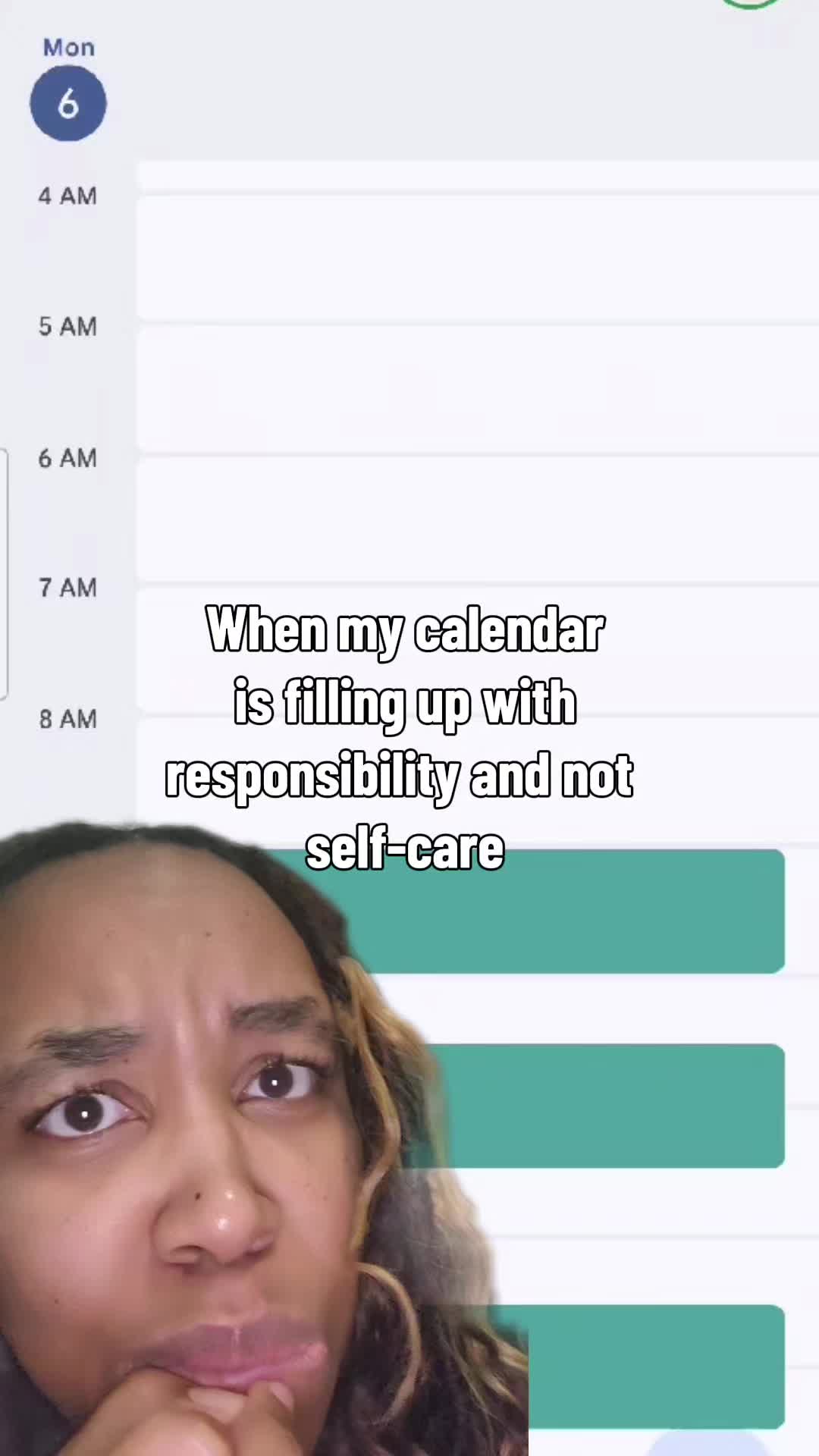
A mental health tip for you

Ever tried a one-minute reset? When you notice yourself feeling tense or overwhelmed, pause and take a few slow breaths.
Try inhaling for 4 seconds, holding for 4 seconds, and exhaling for 6 seconds. Longer exhales can help signal to your body that you are safe in the present moment.
Upcoming Events
1M4 Sunset Walks

Join us for the inaugural 1M4 Sunset Walk Fundraiser on Saturday, August 15! This will be a nationwide evening of connection, movement, and community in support of mental wellness, community care, and safer futures.
Hosted walks will take place in Atlanta, GA, Jackson, MS, Nashville, TN, Osceola, AR, Stallings, NC, and Woodbridge, VA, with a virtual option available for those walking in their own communities.
Registration is free, and donations are encouraged to support 1M4’s work advancing care-centered crisis response and safer communities.
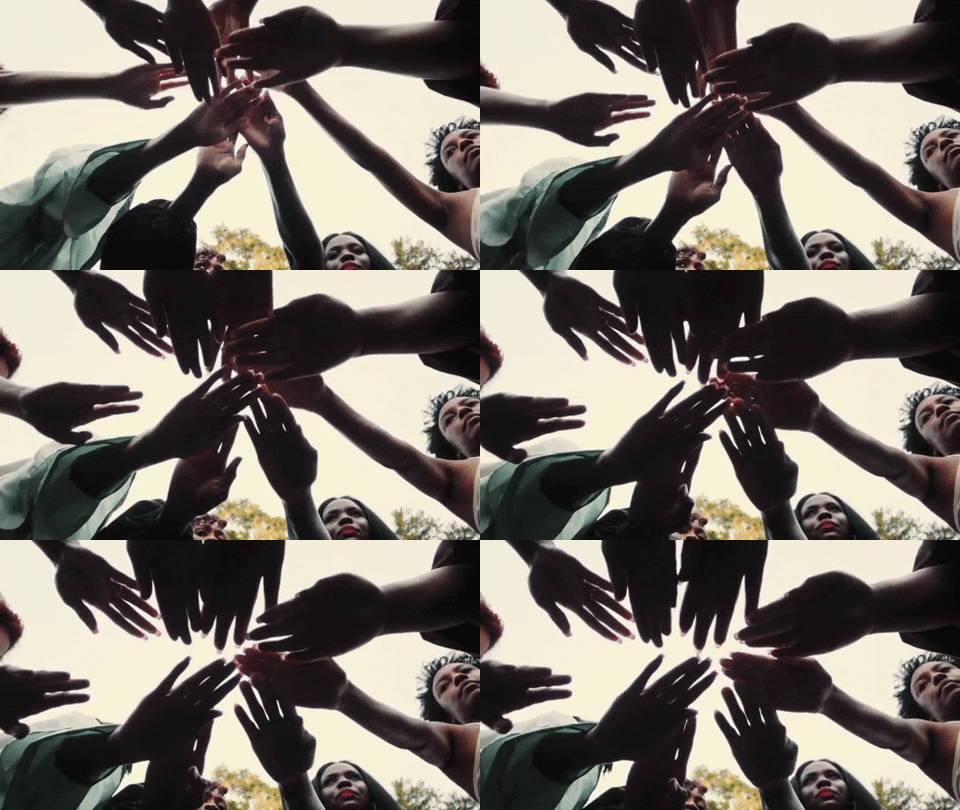
As we focus on bringing our TV series to life, we continue to uplift the work of trusted community partners. On our website, you’ll find upcoming events hosted by these organizations so you can stay connected to the resources, conversations, and support you need.
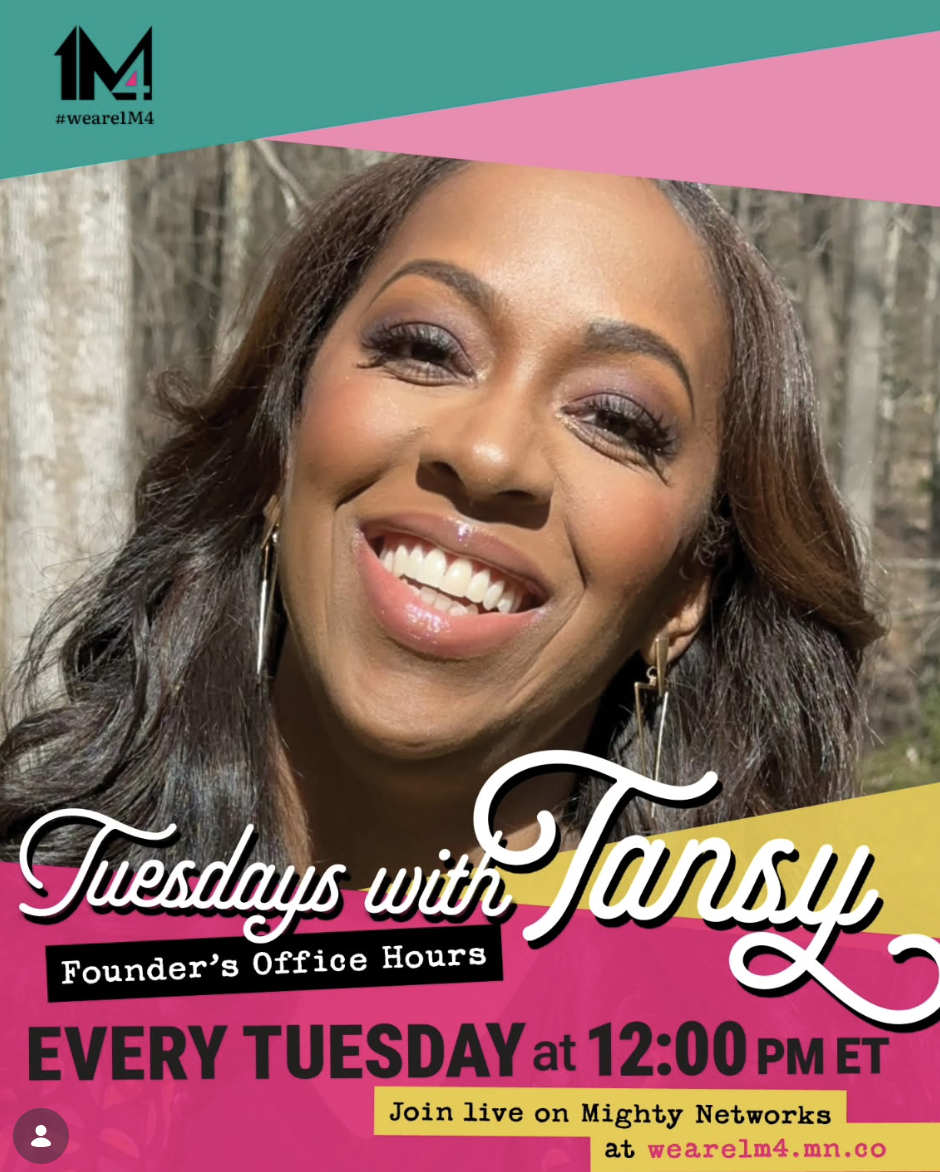
To make sure our community has the tools to stay safe and support each other, our Founder, Tansy, holds weekly office hours to answer questions and walk members through 1M4’s safety resources.
No registration needed. Just join 1M4 via the button below, then hop into our online convos at 12 PM ET every Tuesday.
Got a pressing question? Send an email to info@1m4.org, and we’ll get back to you before the next session.
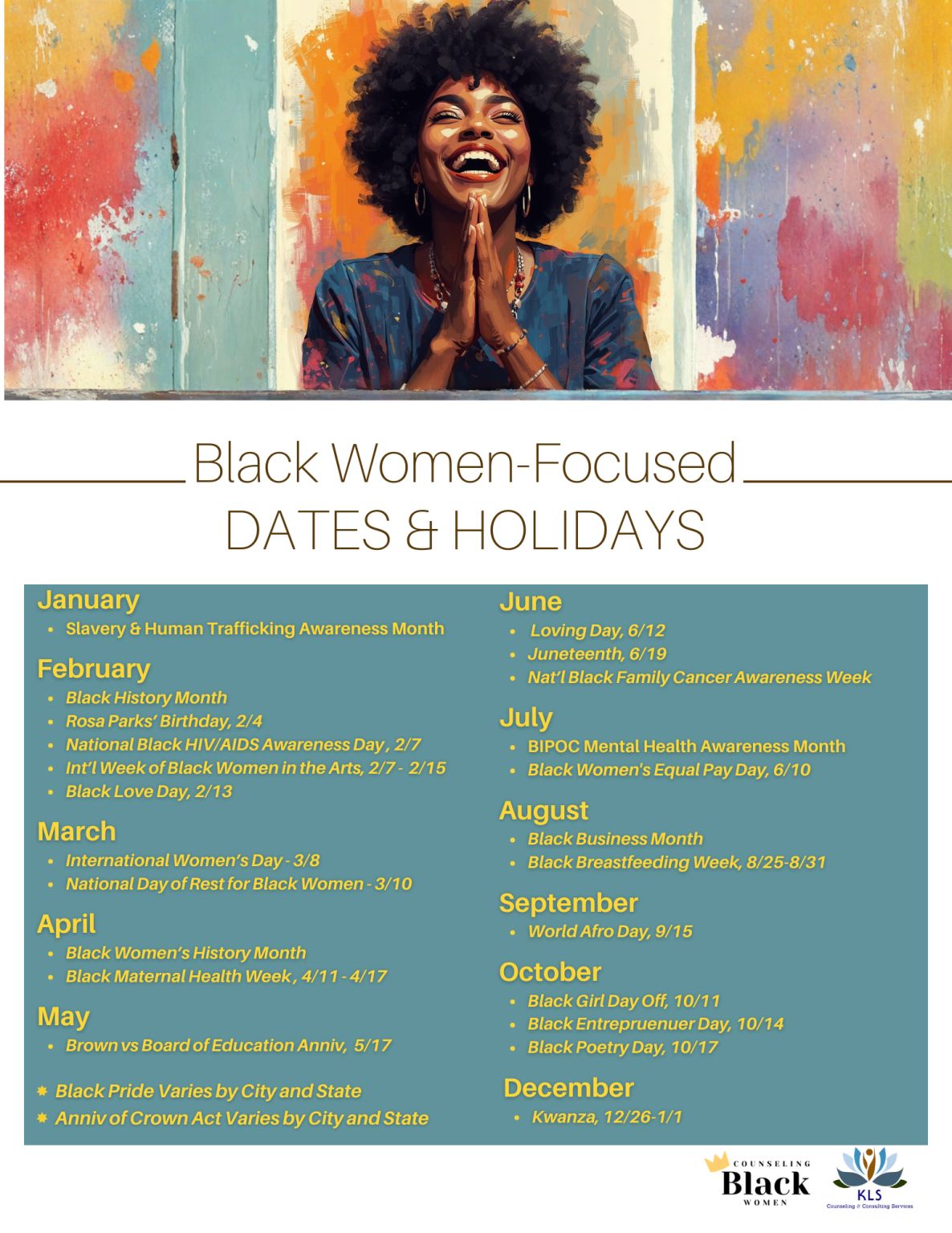
Cheat Sheet for Recognizing Black Women
This guidance is shared by Dr. Kimber Shelton, whose work continues to center the importance of culturally responsive approaches to mental health and well-being for Black women.
Below is a cheat sheet of awareness events and programs tailored for Black women, offering ways to better recognize, support, and center us throughout the year.