“Put some respect on my vote.”— Sabrina Newby
Happy November! Halloween is behind us, Daylight Savings ended, Thanksgiving is on the horizon, and the holiday season is picking up speed. But before we turn our attention to what’s next, there’s one important date we can’t overlook: Election Day, Tuesday, November 3.
With just two days to go, now is the time to make sure you’re prepared. Whether you’re still learning about the candidates or figuring out where to vote, here’s what you need to know before Election Day.
The real-life decisions hiding behind your ballot
Midterm elections might not get as much attention as presidential elections, but they matter. This November, voters will decide who fills all 435 seats in the U.S. House of Representatives and roughly one-third of the U.S. Senate. Those elected officials help shape federal laws, funding priorities, and government oversight.
Your ballot may also include local races that receive far less attention. Mayors, sheriffs, prosecutors, school board members, and judges can all play a role in decisions affecting daily life, depending on local laws and election schedules.
Curious whether your county elects its sheriff or prosecutor this year? Check the 2026 election list.
Understanding who holds these offices is a useful starting point for understanding how decisions get made in your community. At 1M4, we encourage our community to stay informed and engaged with the systems that shape our lives. Knowing what’s on your ballot is one way to start.
Voting is one way to take part. The first step is knowing what’s on your ballot and what’s at stake where you live.
Don’t let voting become a last-minute horror story
If you haven’t made a plan yet, don’t panic. There’s still time to get organized. Here’s where to start:
1. Check your voter registration.
Make sure your registration is current, especially if you’ve moved recently or changed your name. Visit Vote.gov to check your status and find your state’s election website. If you’re not registered, don’t assume you’ve missed your chance: some states and Washington, D.C. offer same-day or Election Day registration. Check your state’s rules for details.
2. Find out what’s on your ballot.
You don’t have to know every candidate or issue by heart. Start with USA.gov’s voter guide to learn which offices and candidates may appear on your ballot. Look into the issues that matter most to you and consult reliable sources before making your decisions. Look…it’s completely ok to ask your family and friends who they’re voting for and why. In fact, that’s a great way to better understand what political ads may not tell you.
3. Decide how you’ll vote.
Will you vote in person on Election Day or vote by mail? Your options depend on your state. Visit USA.gov’s guide to voting for information about voting methods and requirements.
4. Double-check the details.
If you already have a mail in ballot, check your state’s instructions for returning it. Find out whether it must be received or postmarked by Election Day and whether you can return it to a designated drop box or election office. If you’re voting in person, confirm your polling location, hours, and ID requirements. Trust us, you do NOT want any surprises when you get to your polling place.
5. Make a plan and talk about it.
Voting doesn’t have to be a solo activity. Talk with family and friends about the election, share reliable information, and help each other understand what’s on the ballot.
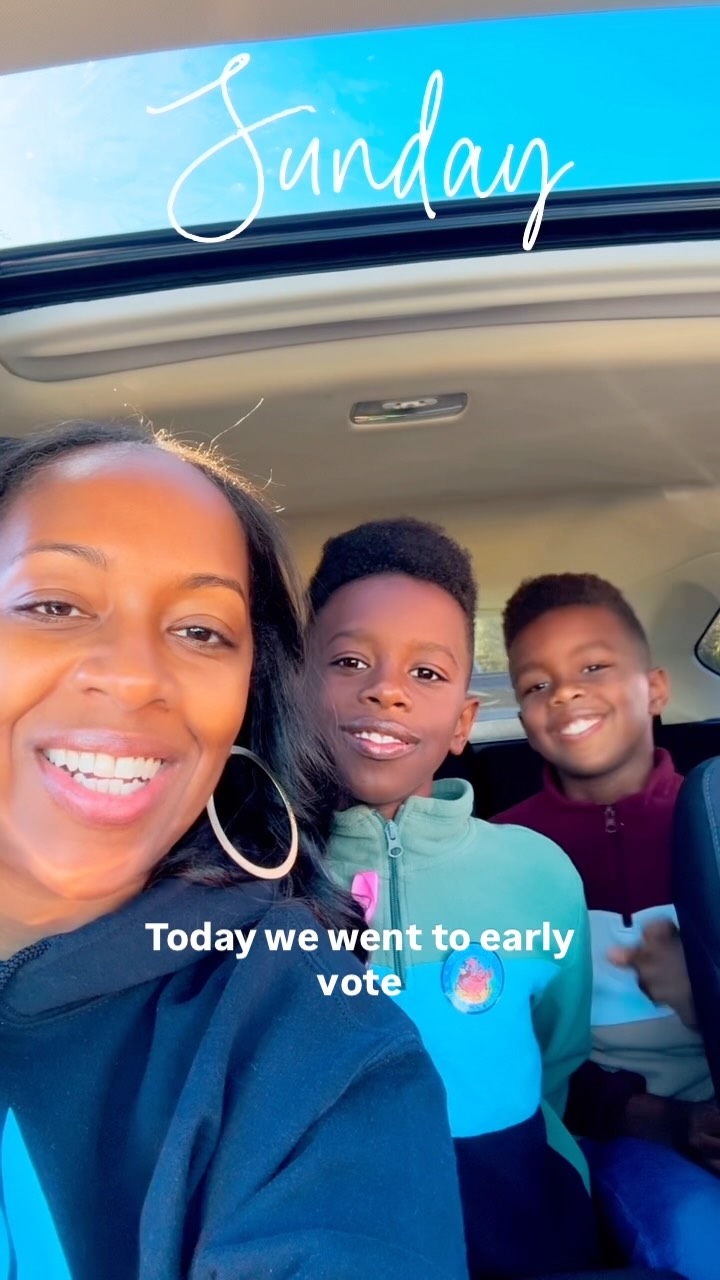
Speaking openly about voting, the issues, and what’s at stake in your community is a meaningful place to start. Last week, our founder, Tansy McNulty, took her sons with her to vote early, using the experience to highlight the importance of civic engagement:
Your vote is worth showing up for
Voting isn’t a magic wand. It won’t fix every injustice or guarantee that every elected official will do the right thing. But choosing not to participate means giving up one opportunity to influence who makes decisions on your behalf.
We believe our communities deserve safety, care, and the resources to thrive. That vision takes collective effort, including paying attention to the decisions being made at every level of government.
Check your registration, learn what’s on your ballot, and decide how you’ll vote.
Election Day is Tuesday, November 3. Make your voice count.
Your Sistas Through It All,
The Ladies of 1M4
A new book on crisis response
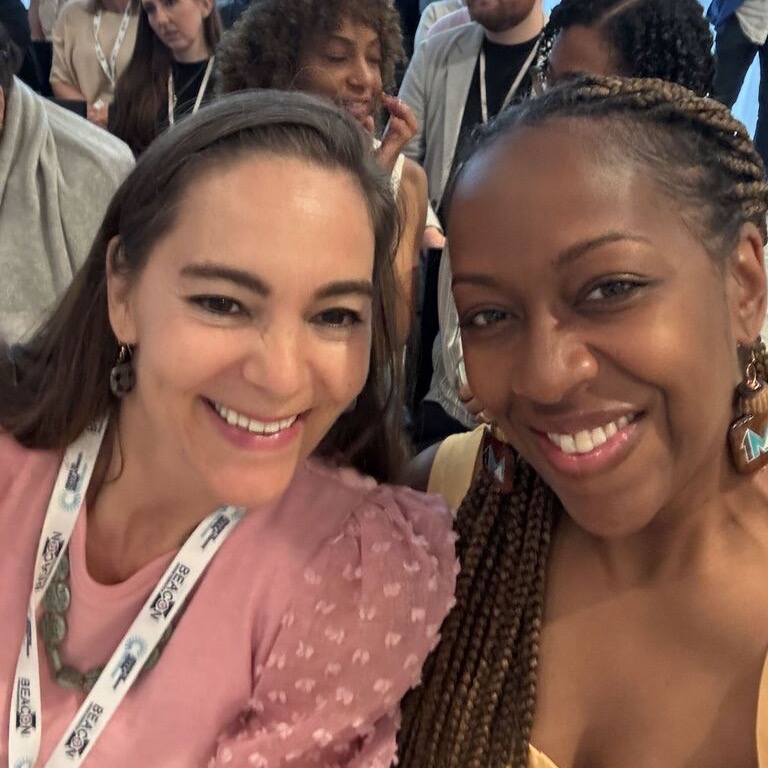
What happens when the system we call for help isn’t designed to meet the crisis in front of us? In 911, What’s Your Emergency? The Promise and Peril of Crisis Response, Dr. Rebecca Neusteter examines the history of America’s 911 system, its racialized roots, and the risks of relying on armed police as the default response to mental health and other emergencies.
Pages 169–170 feature the work of 1M4 and The Right Response as part of a larger conversation about building safer, more equitable approaches to crisis response.
Use code TNP30 for 30% off your order.
Mental health tip

If you haven’t already, check out our 1M4 Black Mental Wellness Resource Guide to connect you with trusted tools and resources to support your mental well-being.
Upcoming Events & Recaps
Save the Date: Giving Tuesday❤️

This Giving Tuesday, on December 1st, we encourage you to support 1M4, a Black maternal figure-led organization working to transform public safety and protect Black families. Please consider making a donation and spreading the word throughout your personal and professional networks.
Make your gift go further: Check whether your employer offers a donation-matching program. Your contribution could be doubled or even tripled, helping 1M4 continue supporting families impacted by police violence and advancing Black mental wellness.
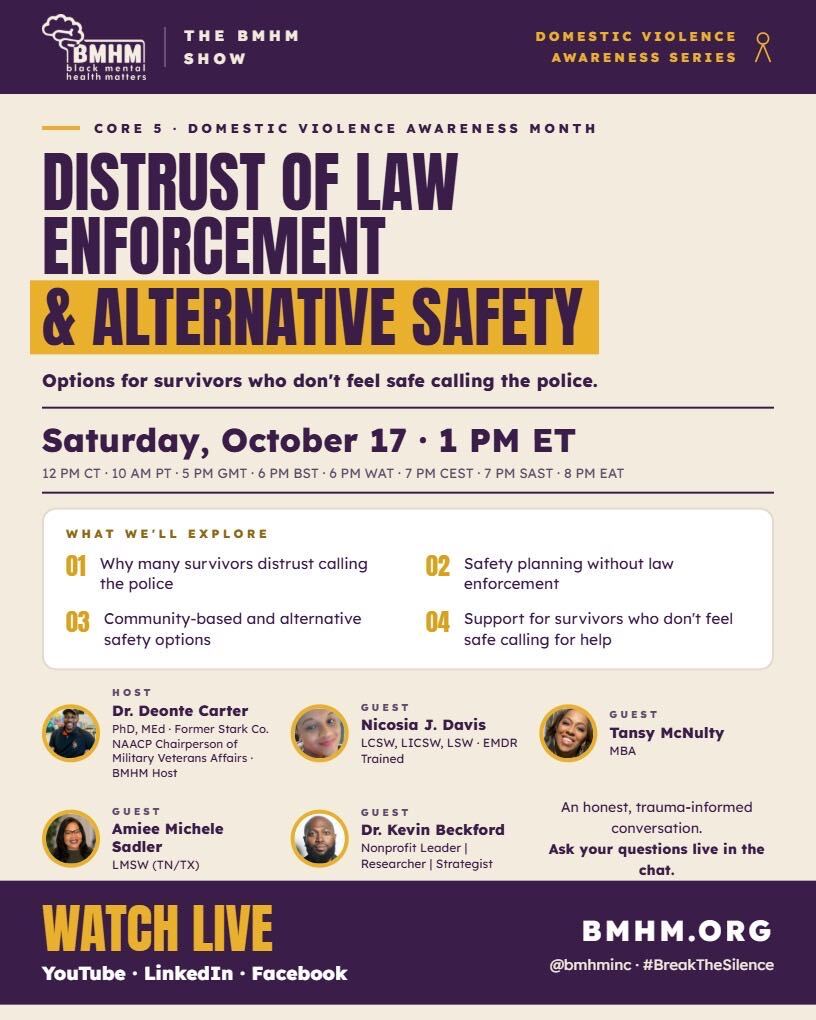
In recognition of Domestic Violence Awareness Month, 1M4 Founder Tansy McNulty joined other community leaders for an important conversation about why many domestic violence survivors distrust law enforcement and how this can affect their safety and access to support.
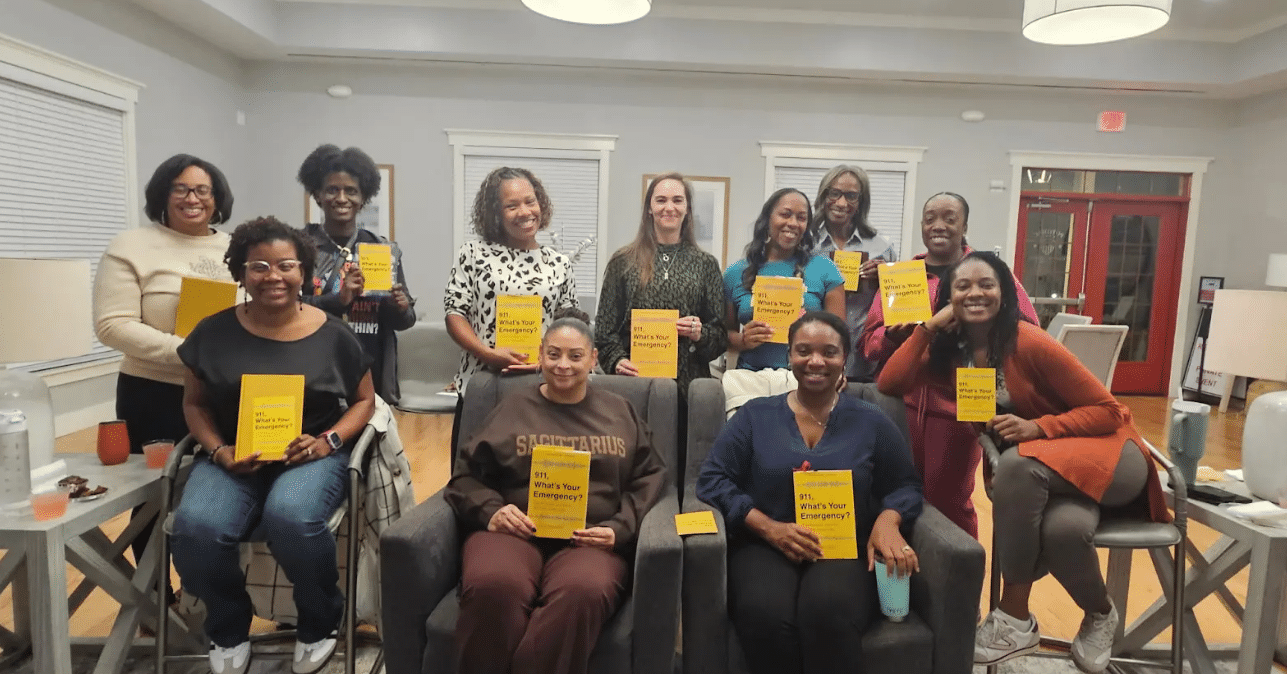
Tansy McNulty recently joined Dr. Rebecca Neusteter for an insightful conversation about Dr. Neusteter’s new book on crisis response.
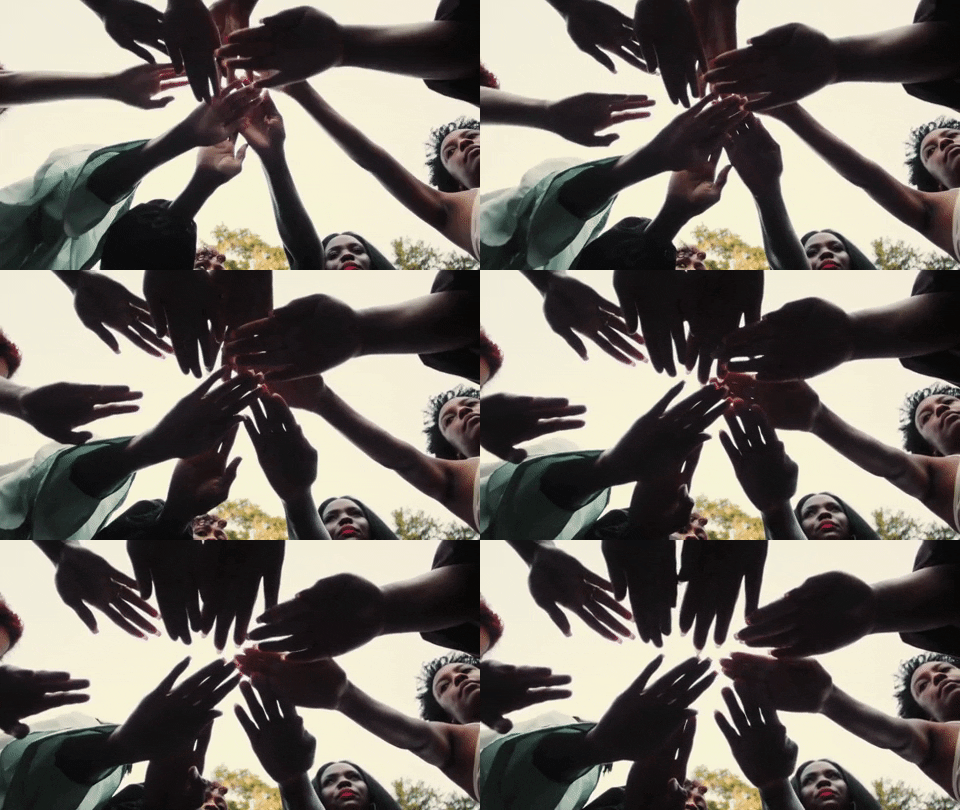
As we focus on bringing our TV series to life, we continue to uplift the work of trusted community partners. On our website, you’ll find upcoming events hosted by these organizations so you can stay connected to the resources, conversations, and support you need.
Cheat Sheet for Recognizing Black Women
This guidance is shared by Dr. Kimber Shelton, whose work continues to center the importance of culturally responsive approaches to mental health and well-being for Black women.
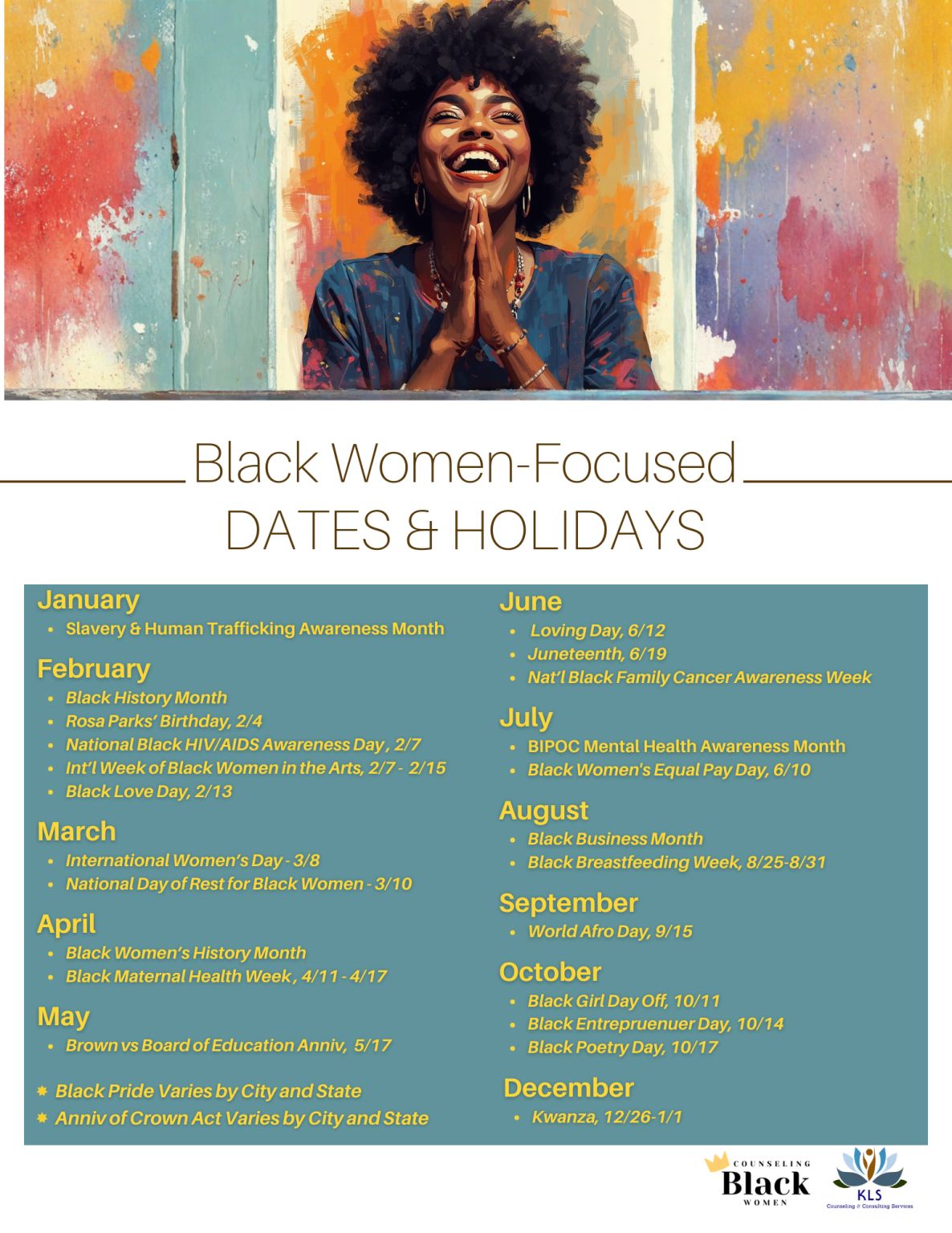
Below is a cheat sheet of awareness events and programs tailored for Black women, offering ways to better recognize, support, and center us throughout the year.