
Let’s get the fails out of the way
The first day of March marks the start of Women’s History Month and the close of Black History Month—a month of remembrance, reverence, and celebration. But this year, if we’re being honest, it also felt heavy. There was pride and joy. But there was also frustration, fatigue, and moments that felt deeply triggering.
Because while we were honoring our history, the news cycle kept reminding us that remembrance doesn’t mean resolution.
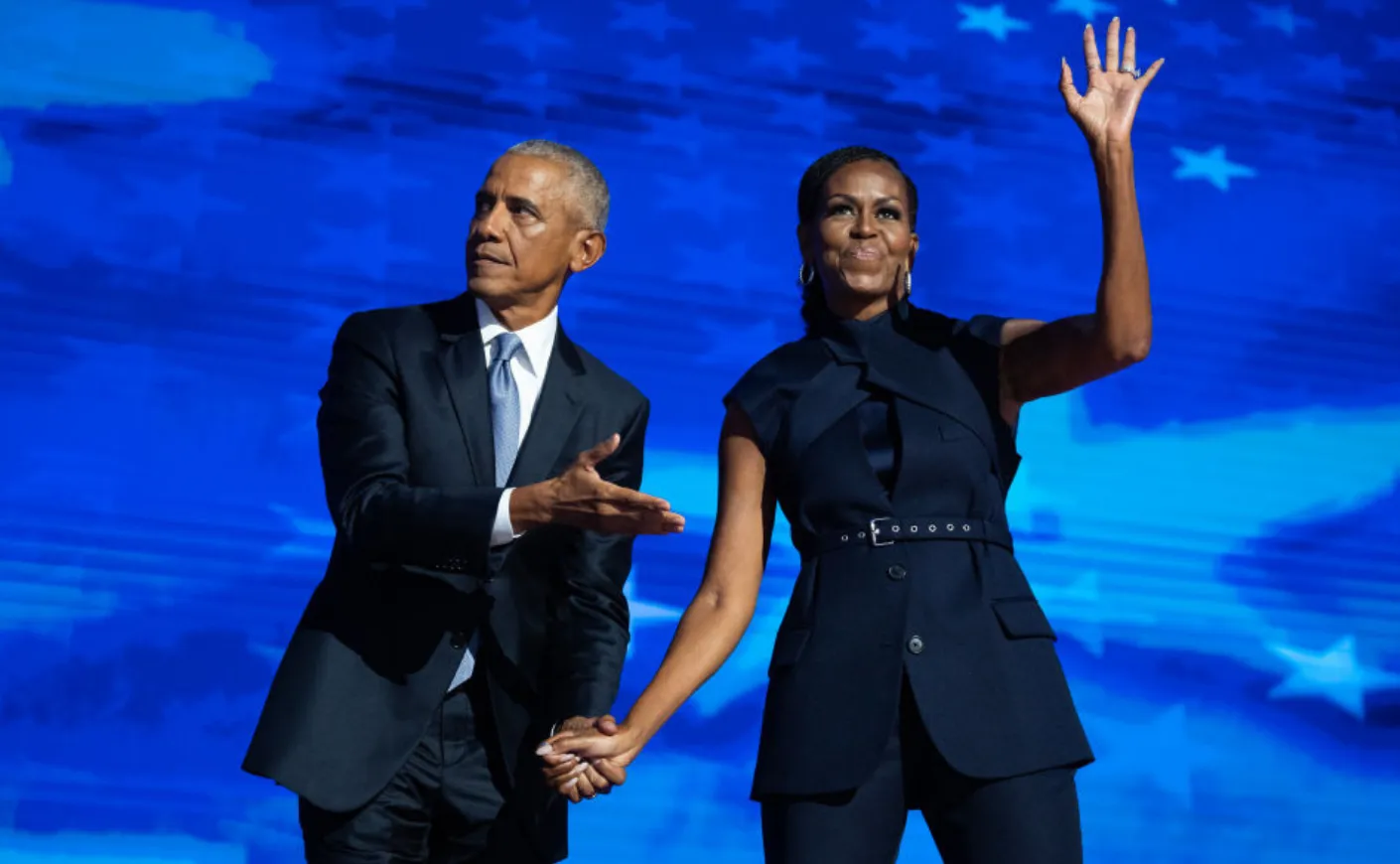
Photo Credit: Tom Williams/CQ-Roll Call, Inc via Getty Images
One particular headline was the current White House resident posting a video that depicted the Obamas as apes. Imagery rooted in one of the oldest and most dehumanizing racist tropes. When called out, his response felt dismissive and unserious. What stood out, though, was Senator Tim Scott, a Black Republican, calling it “the most racist thing I’ve seen out of this White House.” That was unexpected. It underscored something simple but important: racism isn’t partisan. It’s not about party loyalty. Racism is racism. And despite it all, Black excellence persists, thrives, and can never be denied.
Then there was also the BAFTA incident last Sunday, where activist John Davidson shouted the n-word during Michael B. Jordan and Delroy Lindo’s presentation. The outburst was later explained as a result of Davidson’s Tourette’s syndrome, and host Alan Cumming asked the audience to show “understanding” for his use of racist language. While some sought to contextualize or excuse the moment because of his condition, the incident still caused harm to the Black community.
But what compounded the harm was the response, which many felt was dismissive, followed by a Google-generated news alert that displayed the slur fully uncensored, inviting users to “see more on” the term. Google apologized and removed the notification. Still, during Black History Month, seeing that word pushed out so casually felt like salt in an open wound.
There were also other incidents, but all with a familiar pattern: harm, backlash, reframing. Debate the intent. Soften the language. Move on. This cycle reinforces a deeper exhaustion many Black people feel: the expectation that we are supposed to extend grace endlessly. And yes, grace can be powerful. But it can’t continue to be demanded solely of the people carrying the weight of the harm.
The Wins: Black women making history, past and present
Amid all the challenges, it’s important to pause and center the moments of joy, achievement, and legacy that remind us why we celebrate Black excellence and honor Black women’s leadership.
This Women’s History Month, we’re celebrating our wins, starting with 1M4’s Sista Spotlights. We’re carving out space to honor the women in our community who continue to lead, create, and hold space in ways that often go unseen.
Sista Spotlight
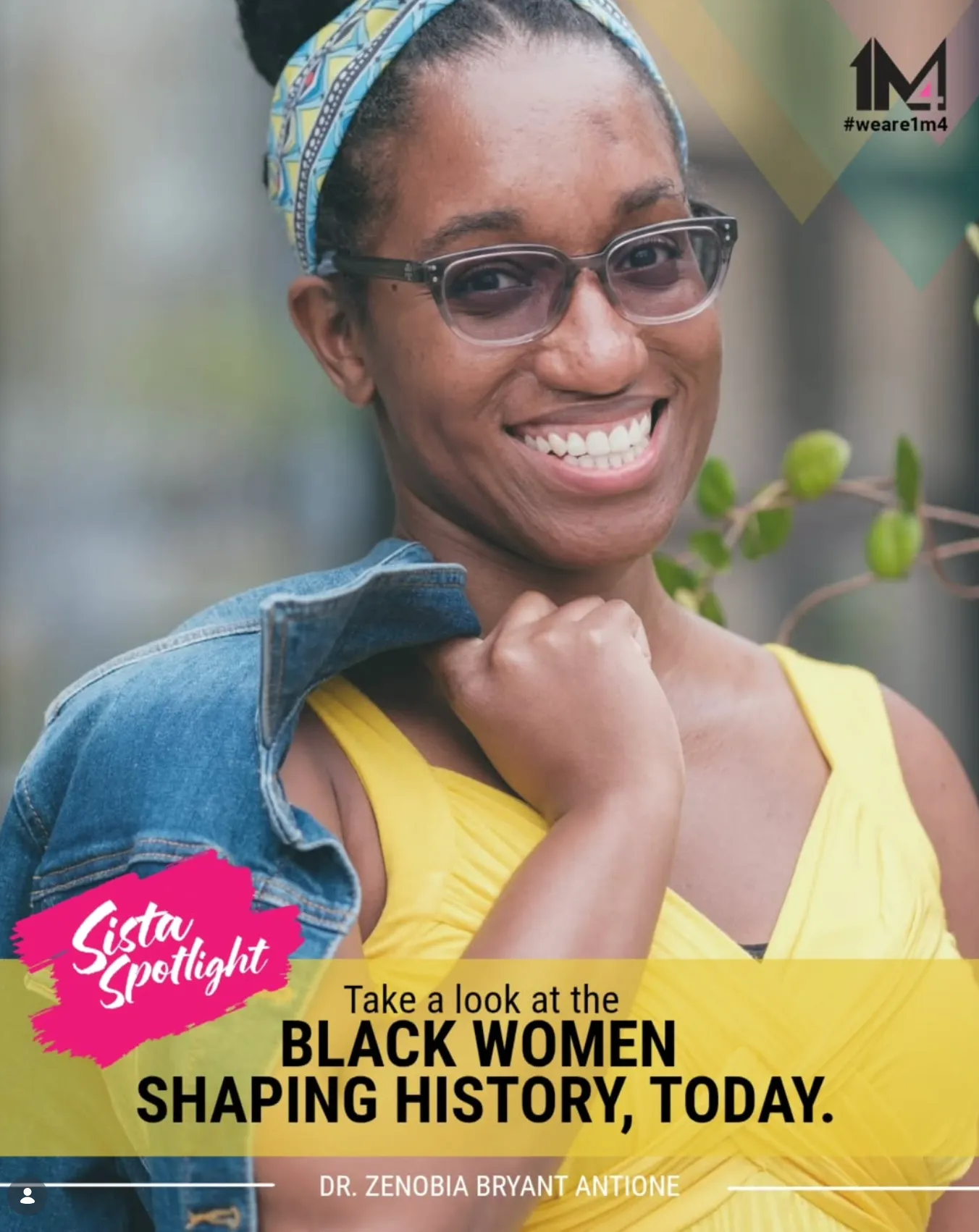
Dr. Zenobia Bryant Antione is doing the work where it matters most: at the intersection of data, healing, and liberation.
“Through Black Health Black Wealth, I am shaping Black history by building spaces where data, healing, and empowerment converge to transform the lives, futures, and leadership of Black women and communities.”
This is what leadership looks like. This is what legacy looks like. We see you, and we’re better because of you.
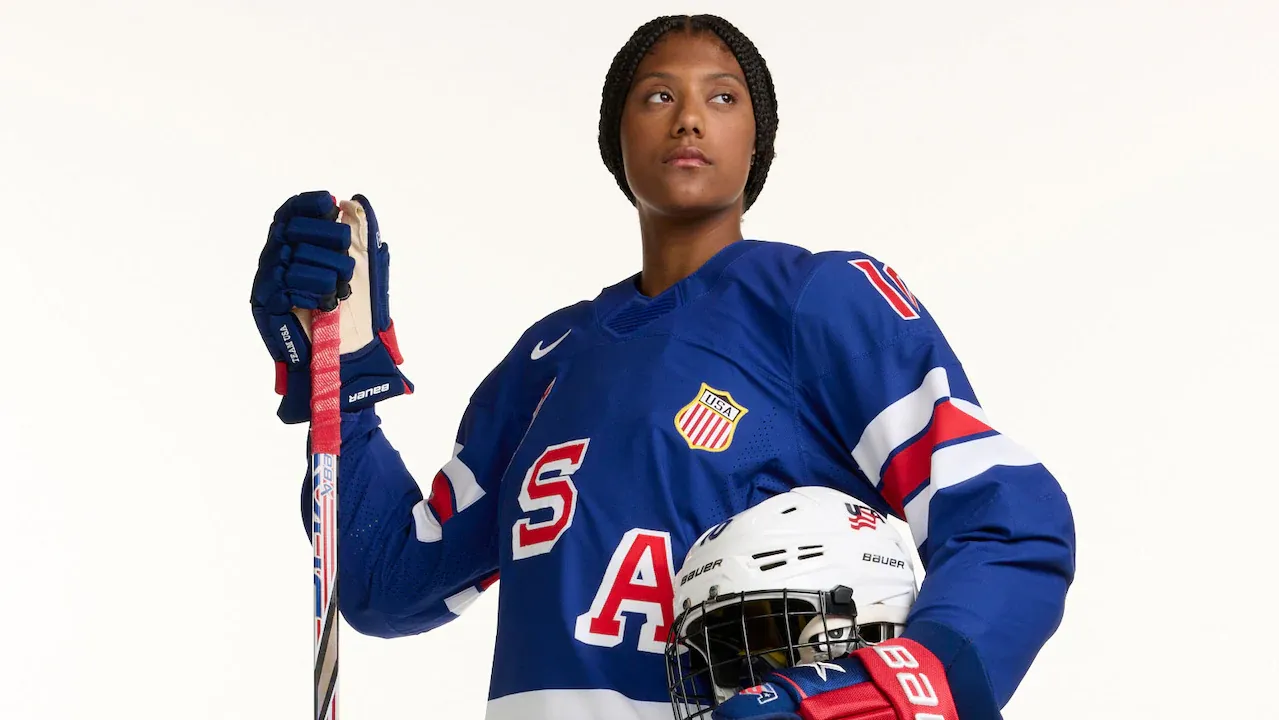
Laila Edwards
Photo Credit: NBC Olympics
Congratulations to Laila Edwards, who became the first African American woman to win a gold medal in women’s hockey. In a sport where we are deeply underrepresented, this milestone is monumental. Representation in winter sports is not just symbolic. It disrupts narratives about who belongs where. From youth hockey in Ohio to Olympic gold in 2026, Laila’s path has been marked by steady achievement, NCAA titles, world championships, and now historic Olympic success.
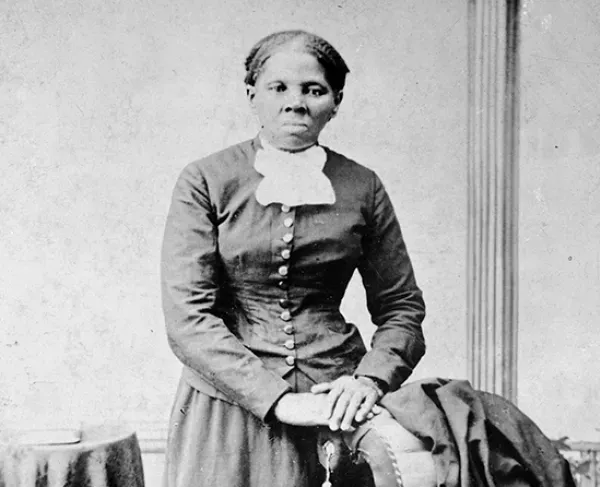
Harriet Tubman’s legacy
Photo Credit: Harvey B. Lindsley. Library of Congress Prints & Photographs Division.
With her birthday coming up on March 6th, the legacy of Harriet Tubman stands as a reminder of courage, strategy, and radical love in action. Born around 1820 in Maryland as Araminta “Minty” Ross, Harriet escaped enslavement and refused to leave others behind. Over roughly a decade before the Civil War, she risked her life repeatedly, returning to the South to lead dozens of enslaved people, including family, to freedom via the Underground Railroad. She earned the nickname “Moses” because, like the Biblical figure, she guided her people to liberation, never losing a single person she helped escape.
During the Civil War, Harriet also served as a nurse, scout, and spy for the Union Army, playing a pivotal role in the Combahee River Raid, which freed more than 700 enslaved people in one of the war’s boldest missions. After the war, she continued fighting for justice by advocating for women’s suffrage, supporting African Americans in need, and opening a home for elderly and indigent Black people in Auburn, New York. Harriet’s life reminds us that leadership is about courage and an unwavering commitment to freedom, which we continue to carry forward.
Claudette Colvin’s legacy
Photo Credit: Andi Rice
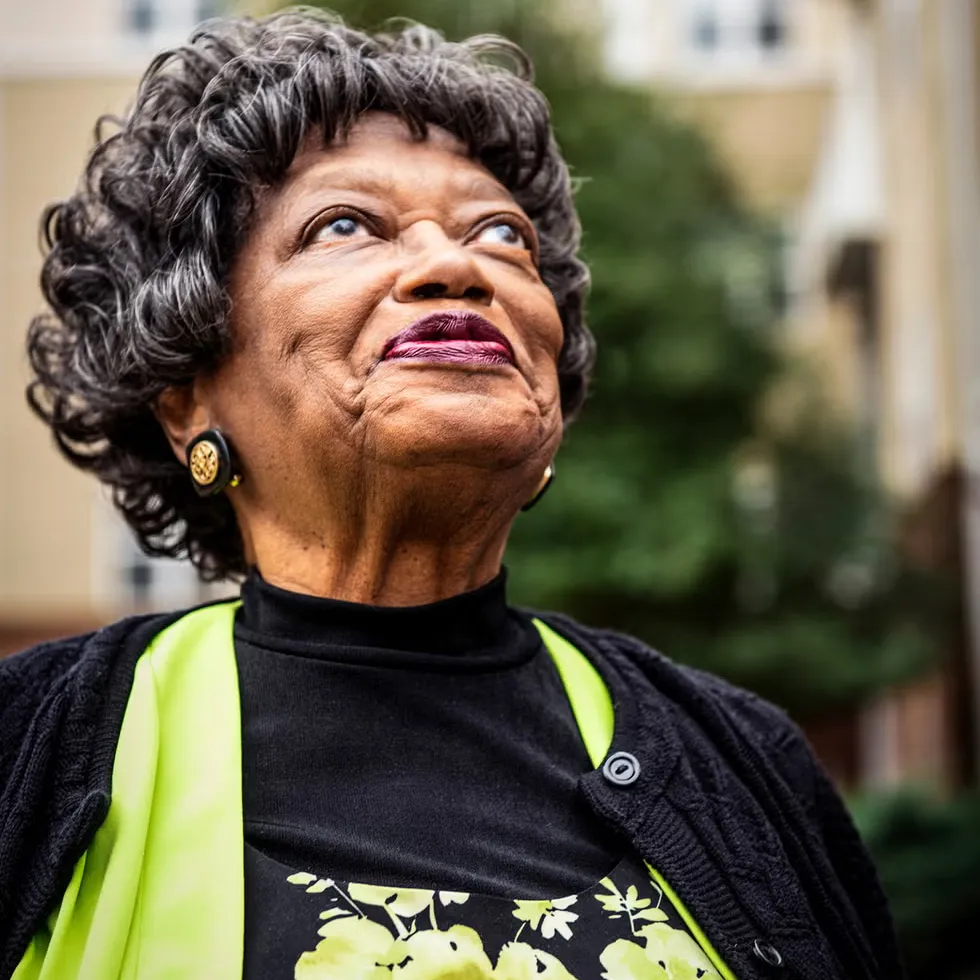
We reflect on the life and impact of Claudette Colvin, who recently passed at 86. At just 15, she became the first Black person arrested for challenging Montgomery’s segregated bus laws—months before Rosa Parks’ more widely known protest. Claudette’s courage was pivotal, yet her story was largely sidelined at the time because of her age, darker skin tone, class status, and a pregnancy that followed shortly after her arrest. Despite this, she played a key role as a plaintiff in Browder v. Gayle, the class-action lawsuit that overturned segregated buses in Alabama.
Our 1M4 founder, Tansy McNulty, shares a personal connection to Claudette’s legacy.
“I had always wanted to meet her, but never got the chance. She was so inspirational to me, even at her very young age.”
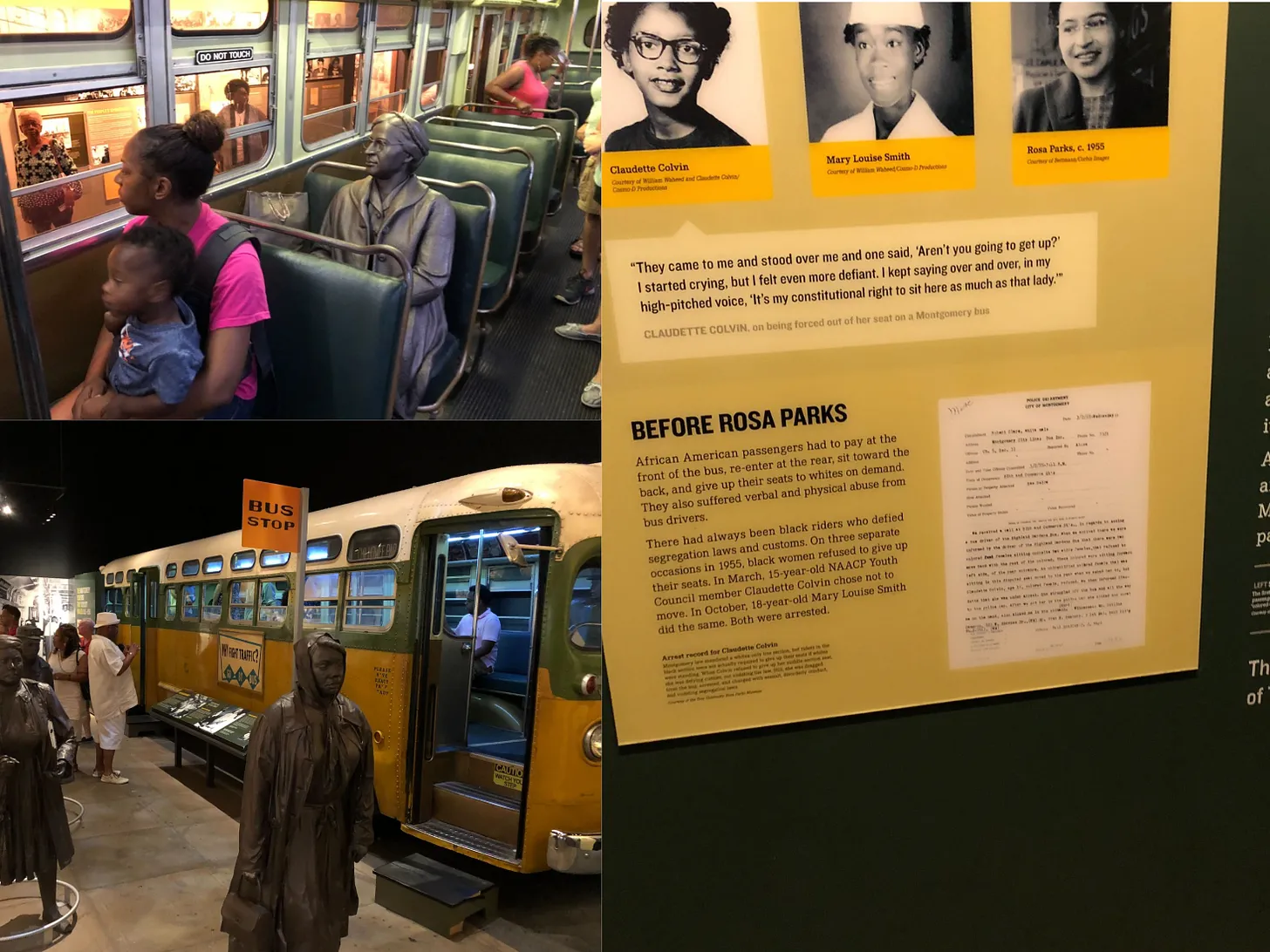
Tansy recalls sitting in a seat representative of Claudette’s during a visit to Memphis’ Civil Rights Museum in 2018. Holding her son on her lap, she chose to sit in front—a small but powerful act of honoring Claudette’s bravery, especially knowing her story was once sidelined. Below are photos from this meaningful moment.
These wins sustain us. They remind us that our stories are bigger than the moments meant to diminish us. Black women have always shaped history—sometimes loudly, sometimes quietly, often without credit—but always with impact. That legacy is unfolding in real time. And that’s where the hope lives.
Your Sistas Through It All,
The Ladies of 1M4
Spread Some Blessings!
The consequences of police violence extend far beyond the loss of life. For families affected, it’s the loss of income, the sacrifice of basic necessities, and the start of a high-cost legal fight. If you have the capacity, consider donating to 1M4. Proceeds help support impacted families and sustain the work of 1M4 toward ending police violence for good.

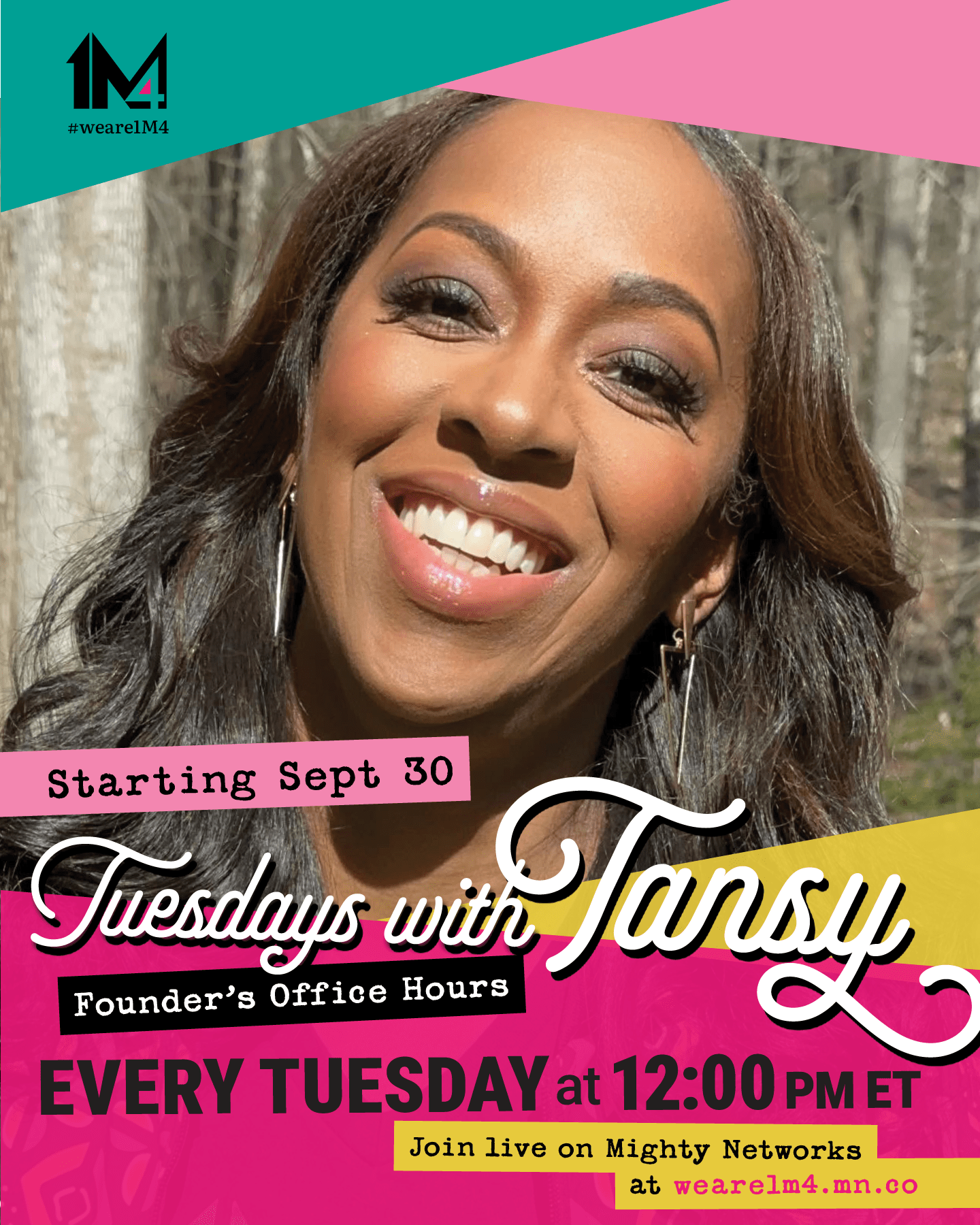
To ensure our community has the resources provided by 1M4 and are fully empowered to shield their immediate community from harm, our Founder will hold weekly office hours to answer any questions and walk members through our safety resources.
No registration required. Simply join 1M4 through the button below then tap into our online community at 12pm EST every Tuesday starting this week.
Got a pressing question? Reply here and we’ll answer you via email and first thing Tuesday at noon EST.
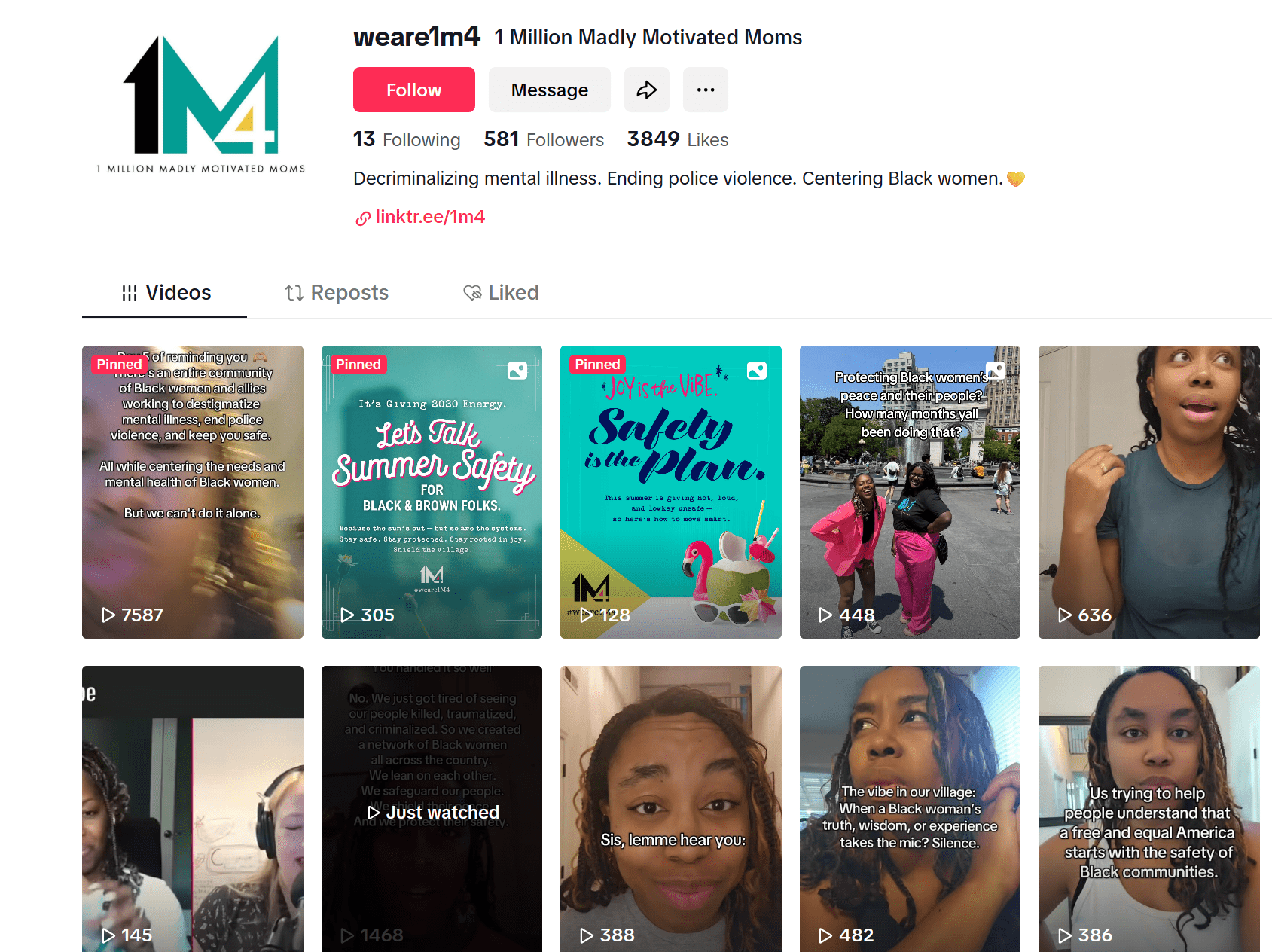
Ok so… we’re on TikTok now! Follow, engage, and rep 1M4 over there. We’re doing our best to reach the people.
Help some Sistas out!


You Got Your 1M4 Merch Yet?
Visit the 1M4 merch store to make sure you’re representing at court support, protests, or in line at your favorite coffee spot. We want to see YOU in your 1M4 gear. Every purchase goes directly to funding the work of 1M4 increasing access to safety and wellness.